Make travelling better
and fun.
Hoverboard
Transportation Design
Industrial Design
Client: Science museum Tate
Year : 2018 - 2019
Specification
Weight -
Height -
Length -
Width -
Material
Acrylic
Neodymium magnets
Motors
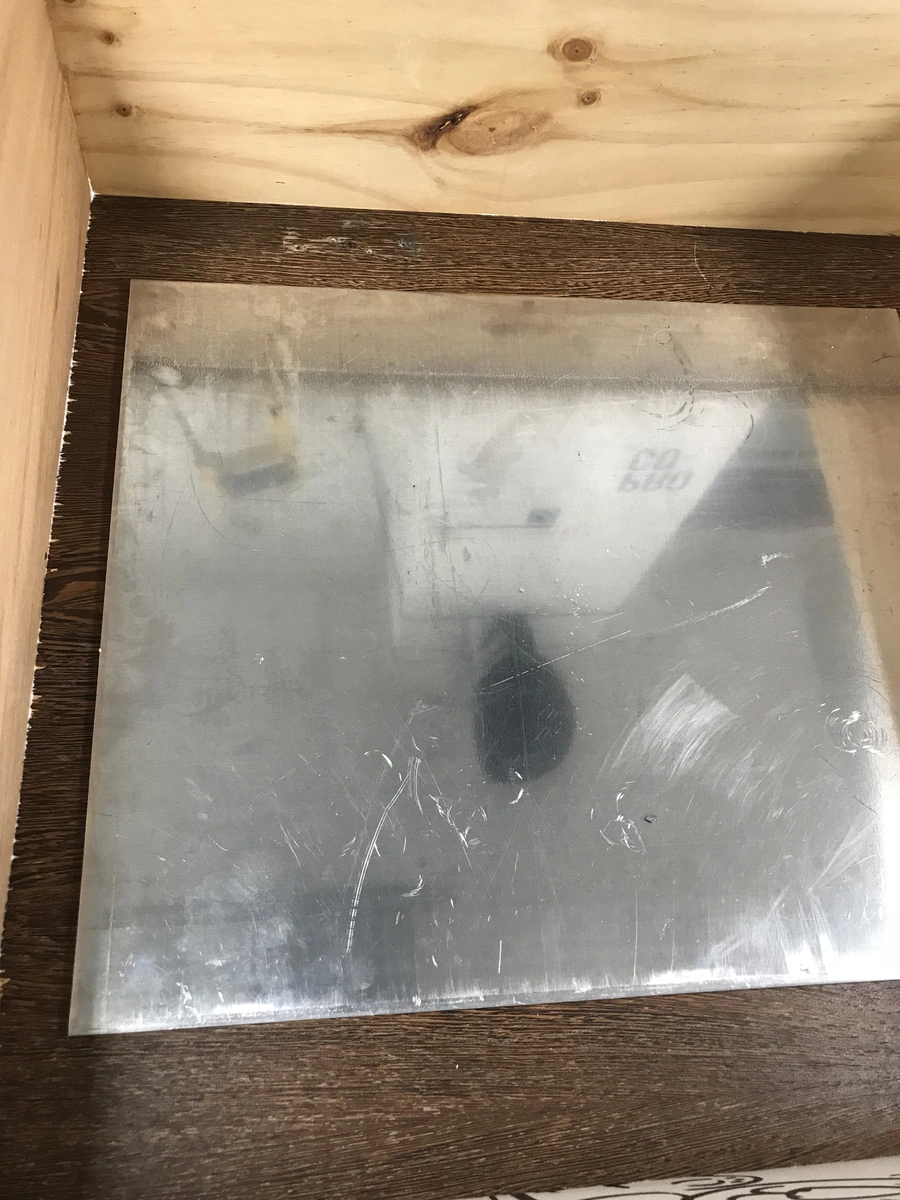
Aluminum Batteries
Brief
In connection to the Science Museum Lates 150th anniversary of the Periodic Table, the Hoverboard project, in an attempt to explore the future of transportation, was designed with a specific element of the periodic table as the focal point.
By pushing the boundaries of science using Neodymium magnets and being inspired by the works of Lexus and Hendo alike, this project attempts to bring an old childhood dream/fantasy to reality.
Problem
The future of transportation has always been an ever-growing topic in society today. With self-driving cars and electric cars now being made, what we would have potentially seen as a dream can now be made a reality. So, what now? What would be the next step for transportation?
Although I'm looking forward to the prospects of flying cars or trains, as someone who skateboards, I have greater expectations for flying hoverboards like that of Marty McFly from Back to the Future.
And I want to be part of said growth.
Design Detail
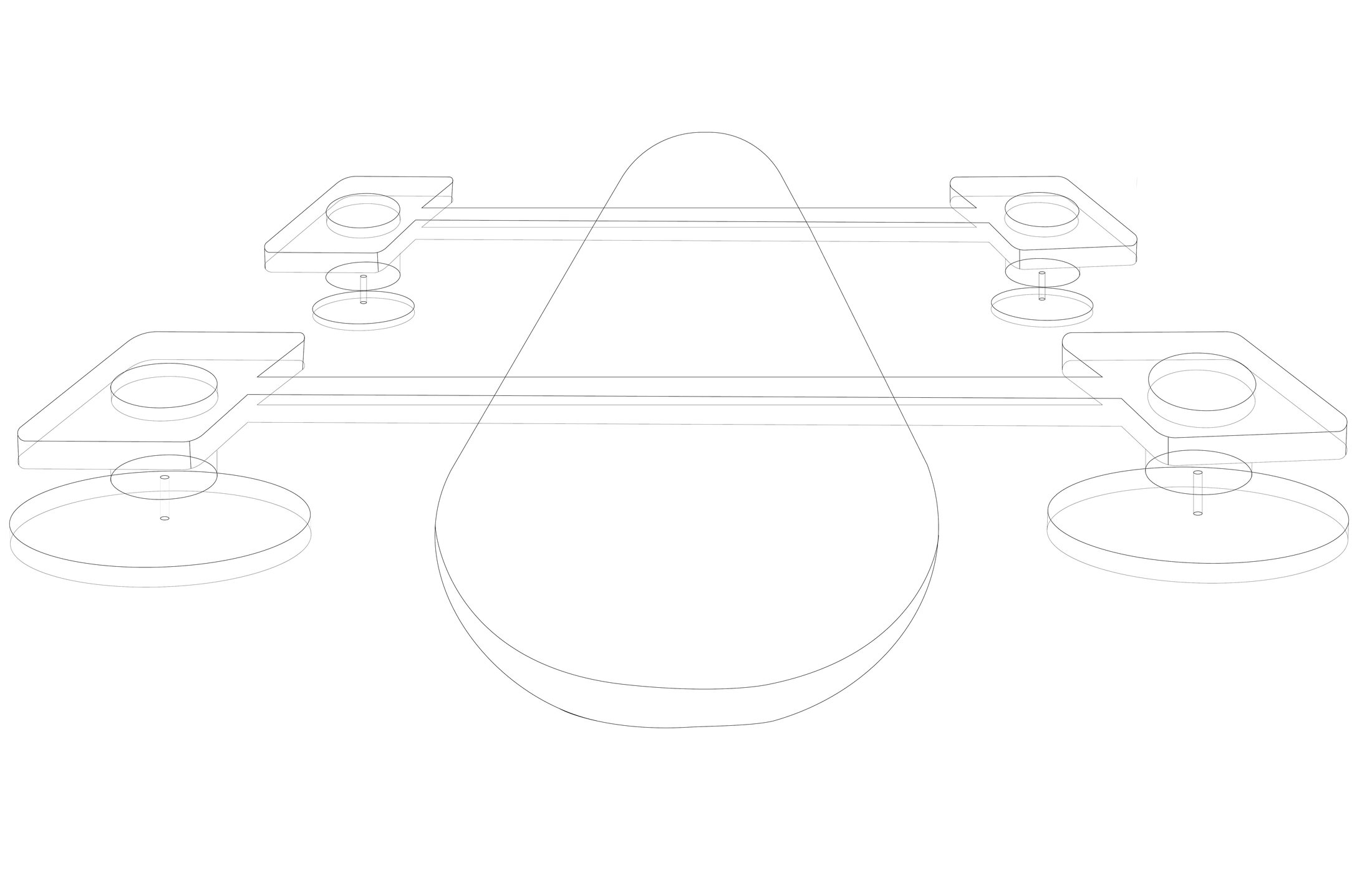
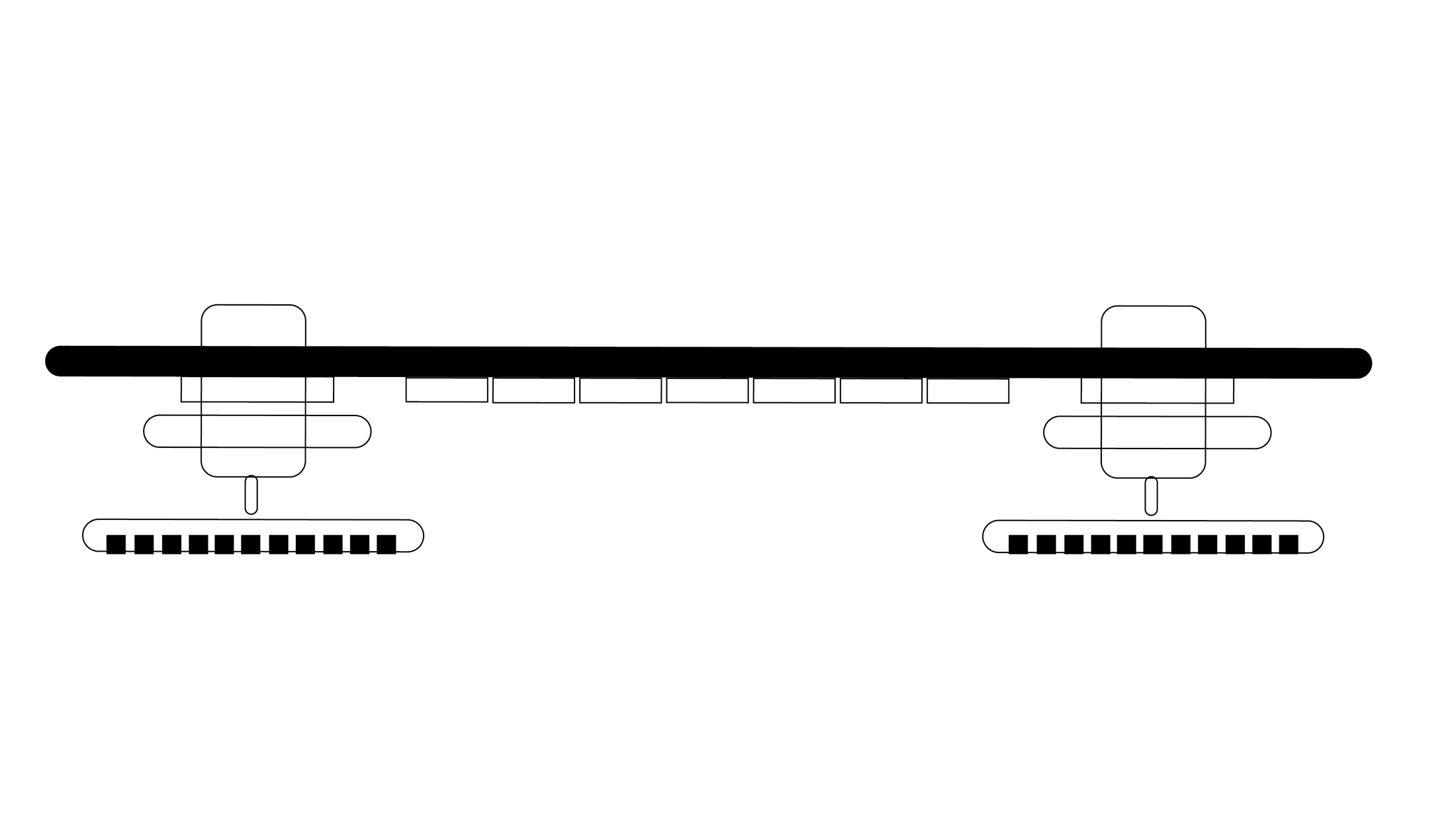
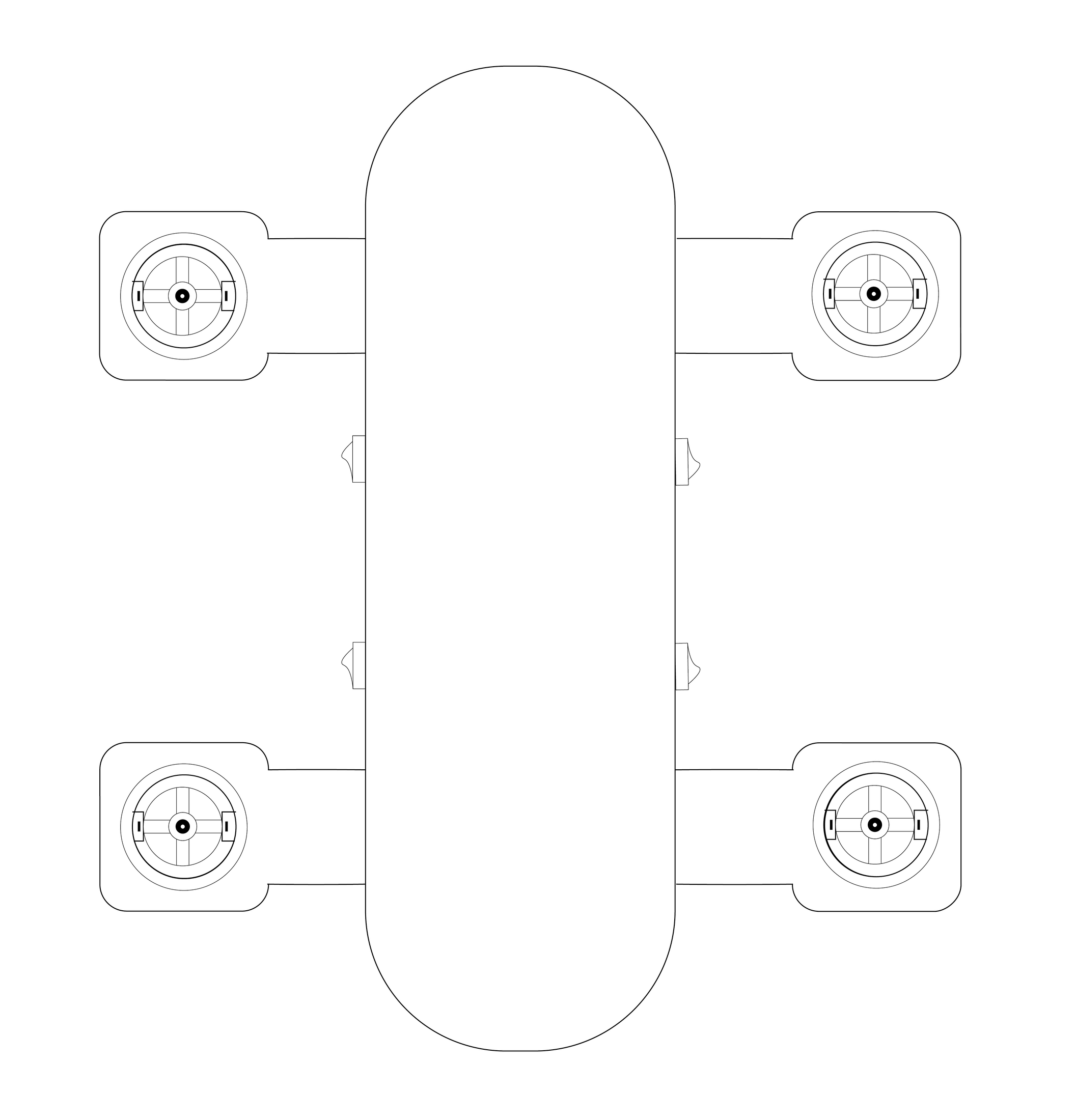
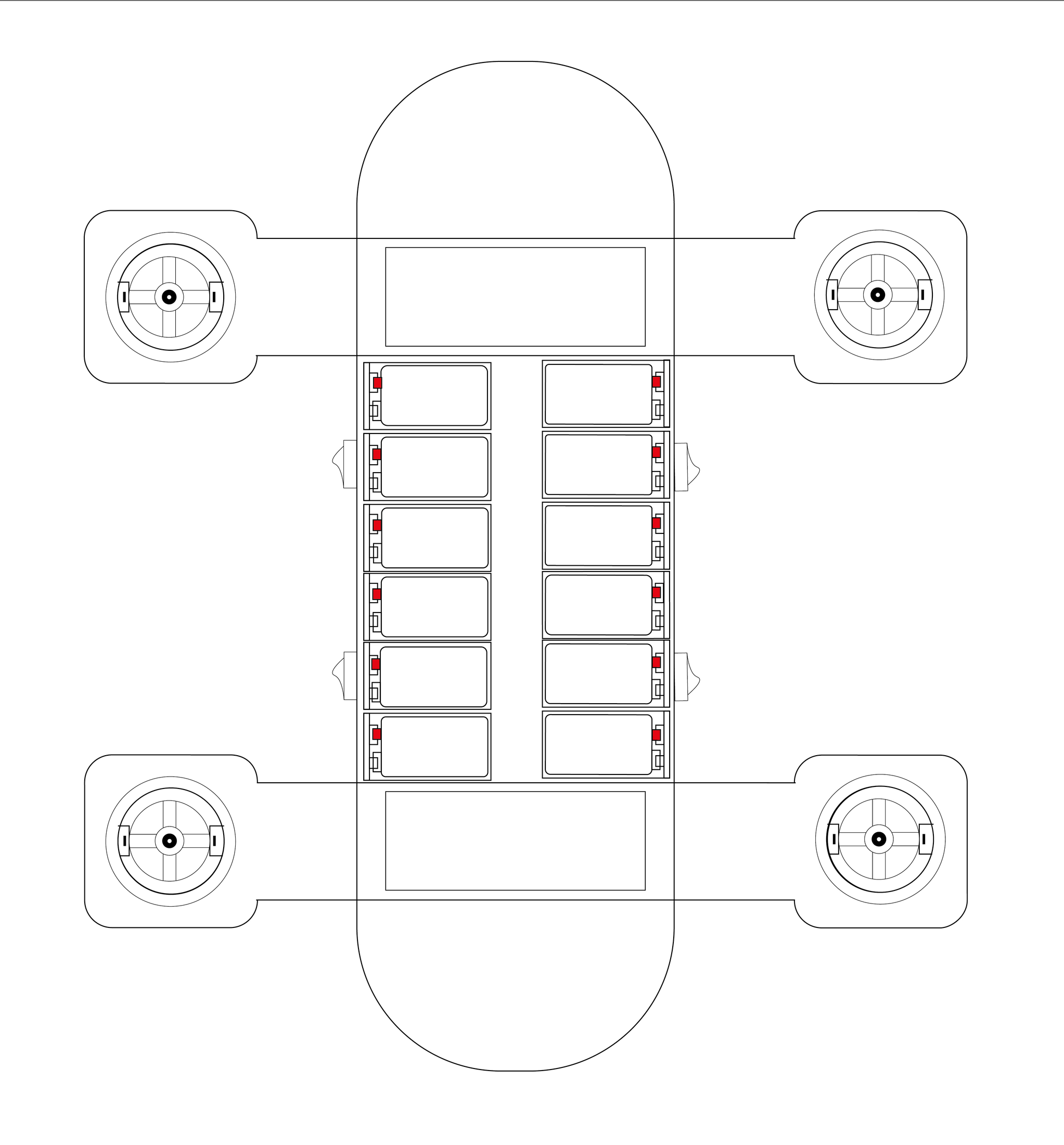
After extensive time spent researching, collecting, and comparing pieces of information gathered from previous hoverboard prototypes already made or those found in video games, I came up with this design template (below). The hoverboard design combines two forms: a skateboard and a drone.
I still had several design problems to resolve. For instance, I had to consider the weight distribution on the board after adding the motors, magnets, wheels, and batteries. With both forms equally acting to provide balance and the propeller power needed to lift the board using neodymium magnets, I was able to find a solution to these problems.
Back view
Front view
Body
The Hoverboard is made of carbon fibre. The material should be strong enough to withstand the force of the motor propellers.
Motors
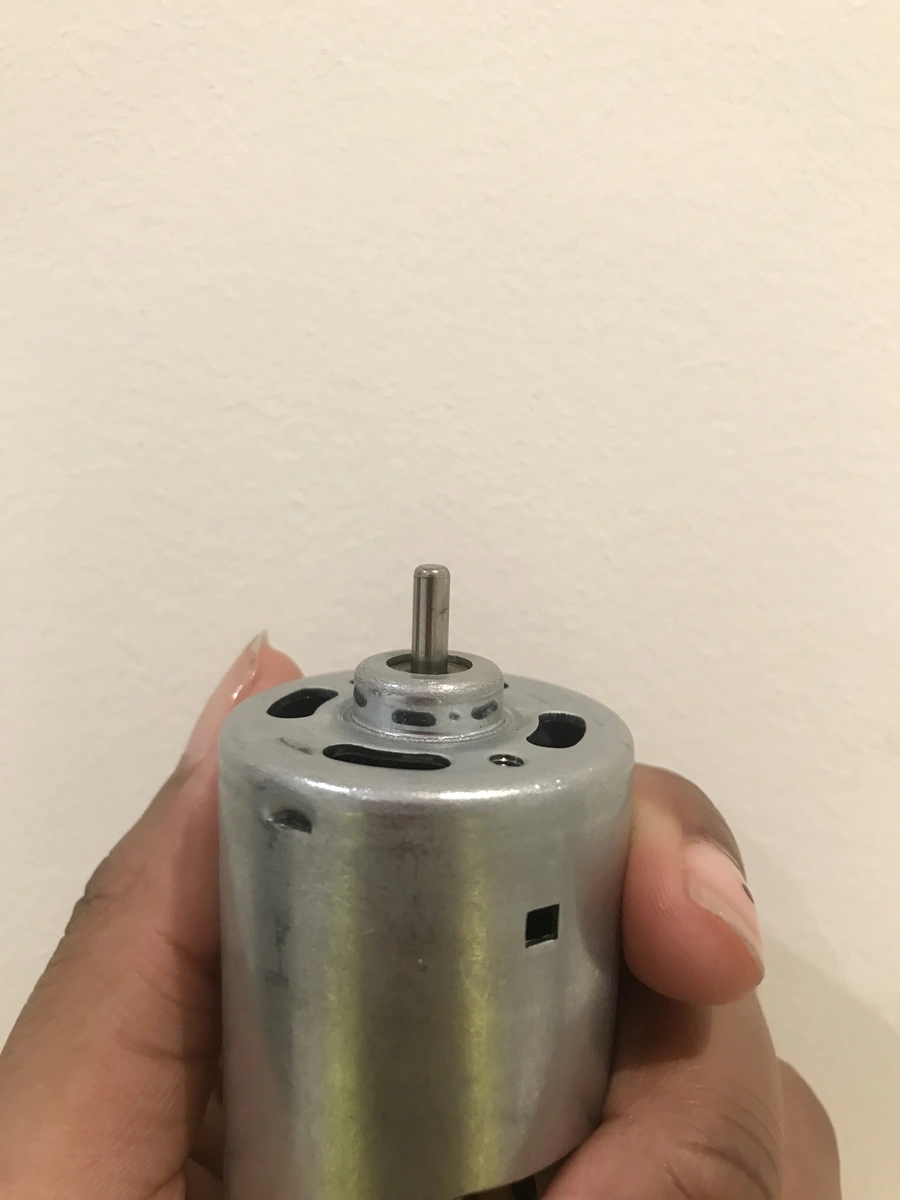
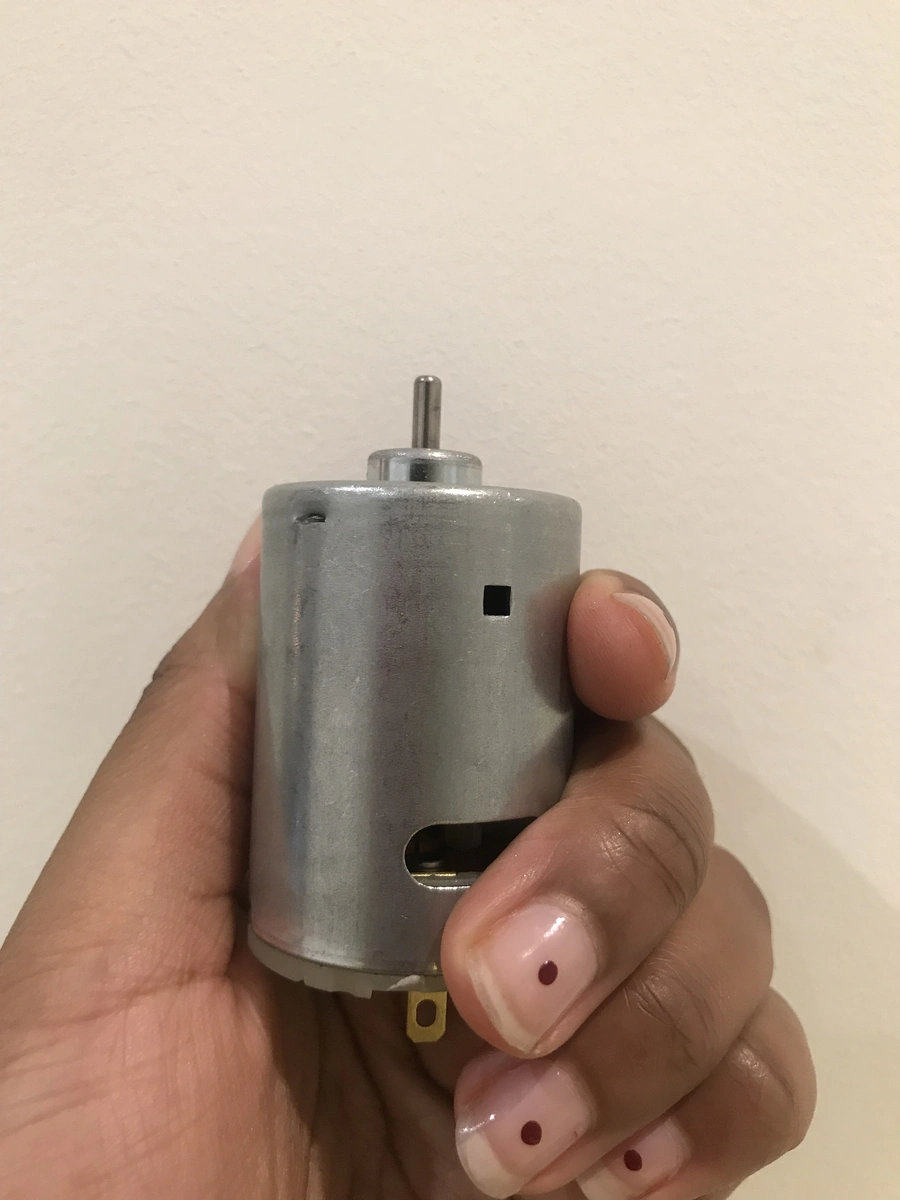
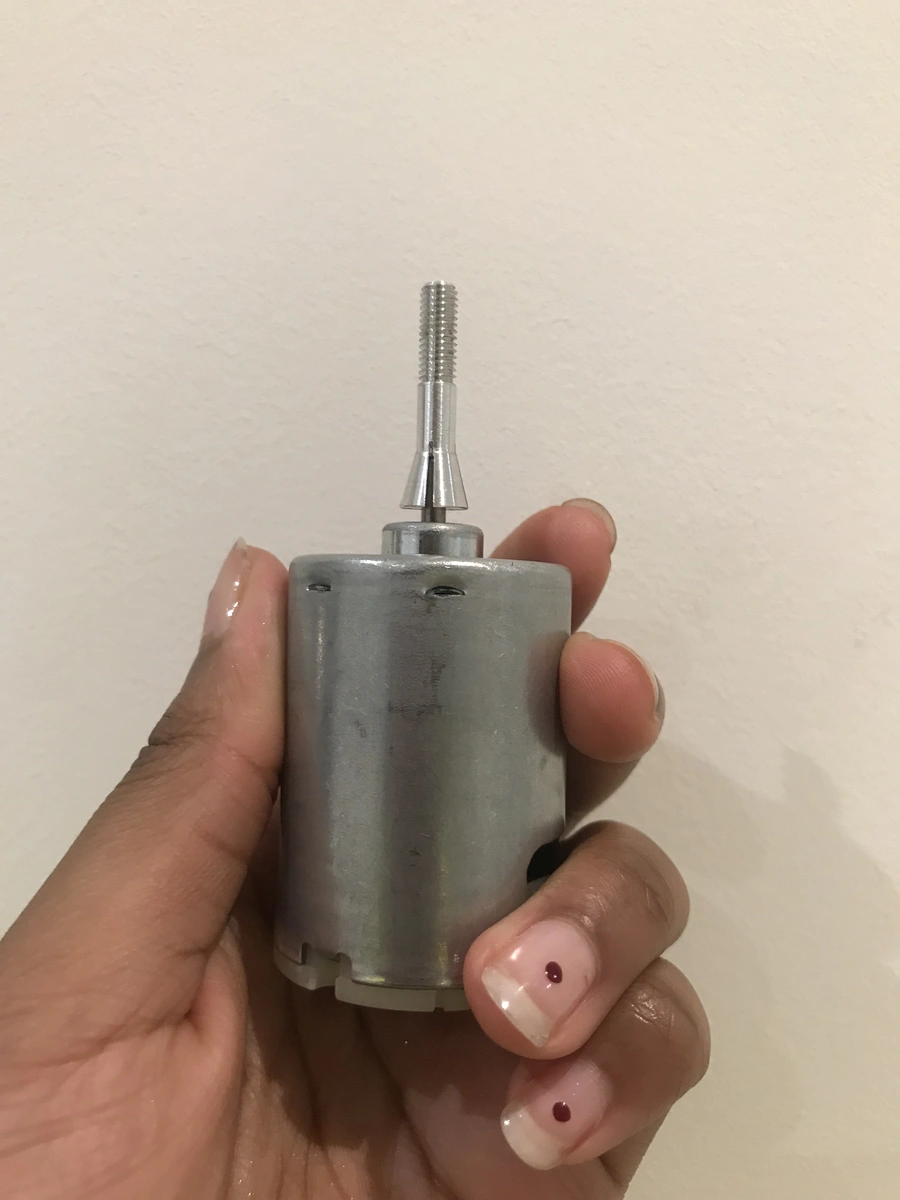
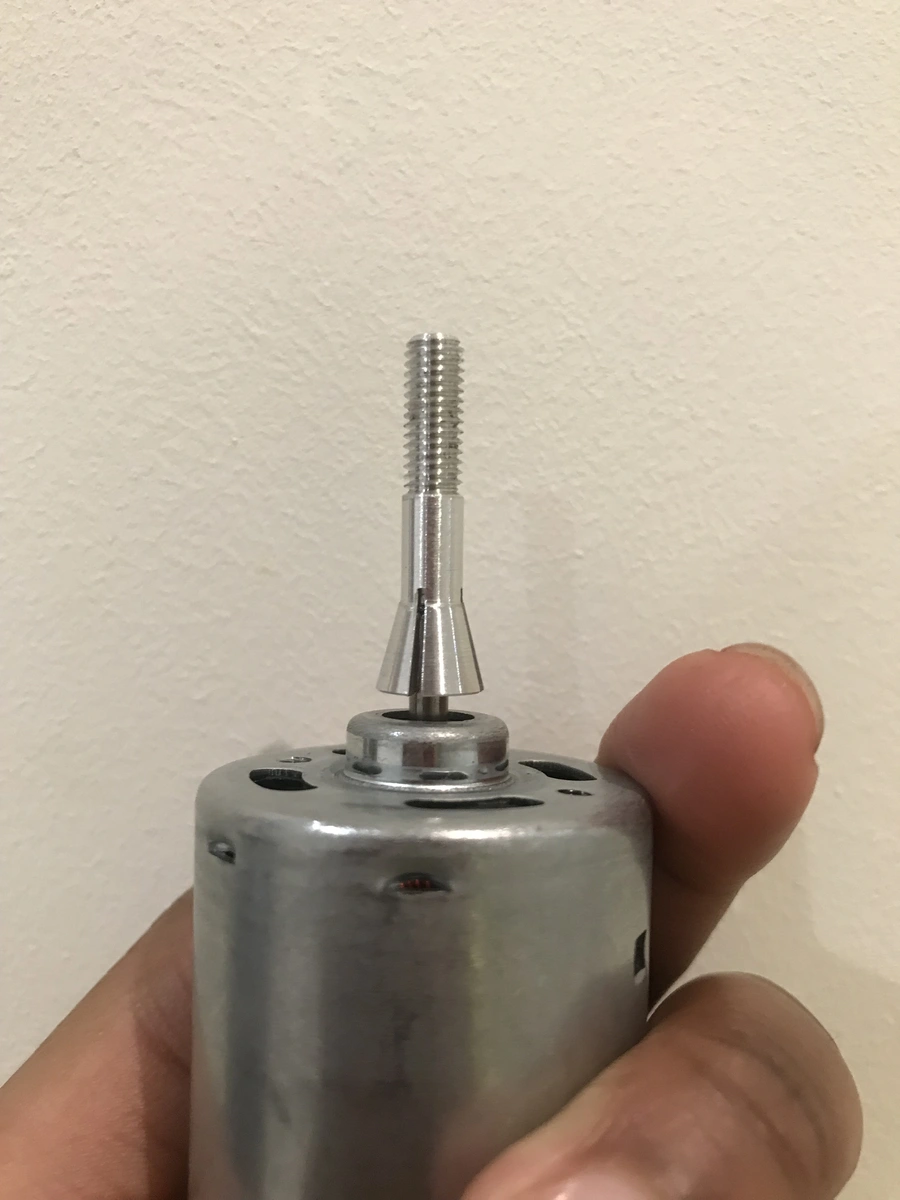
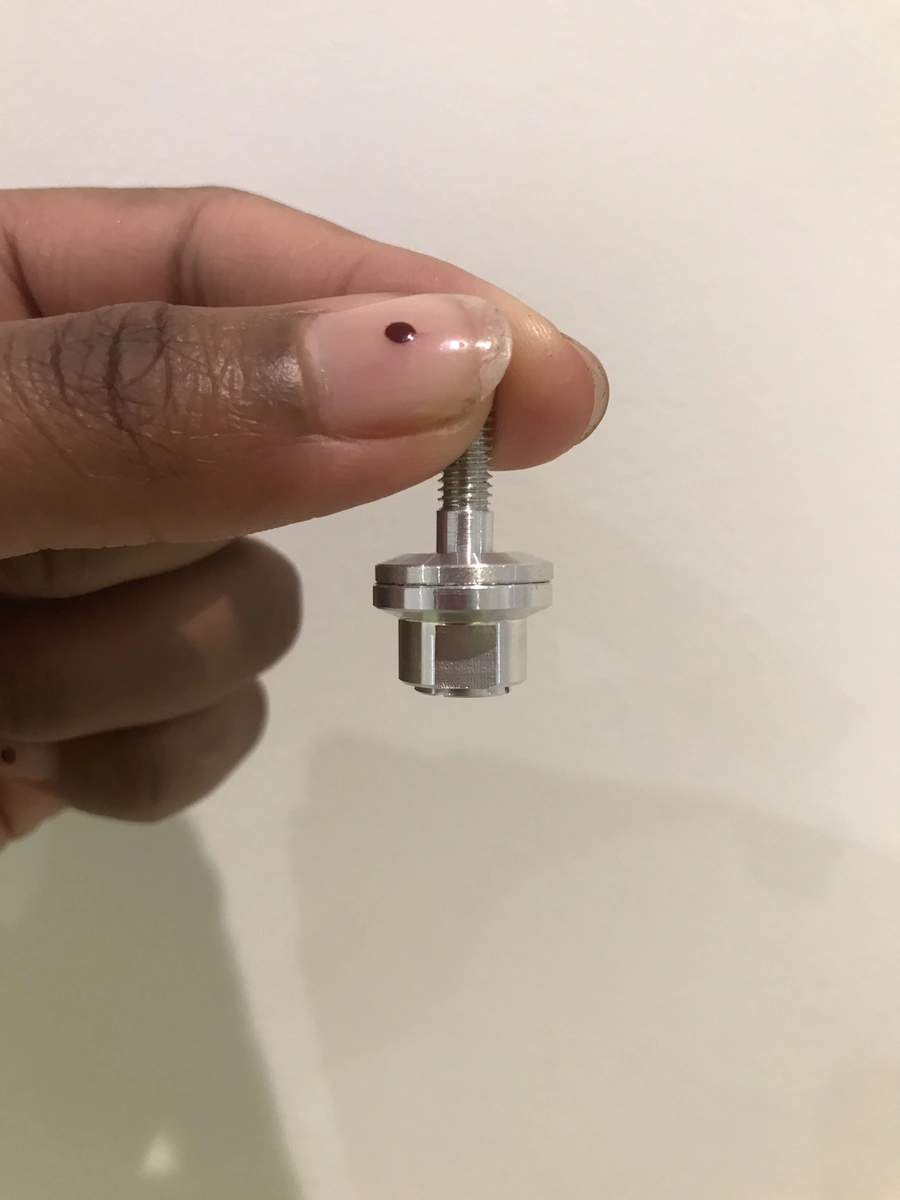
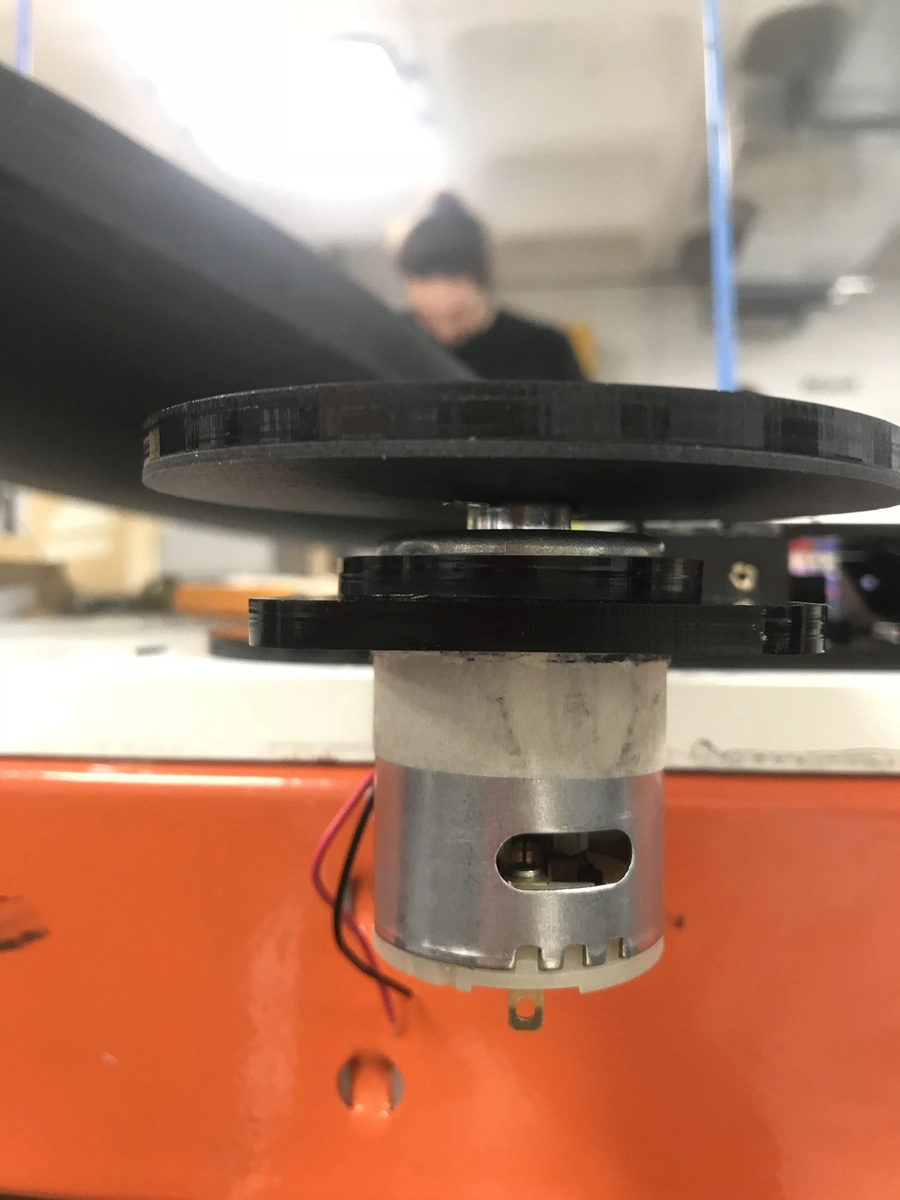
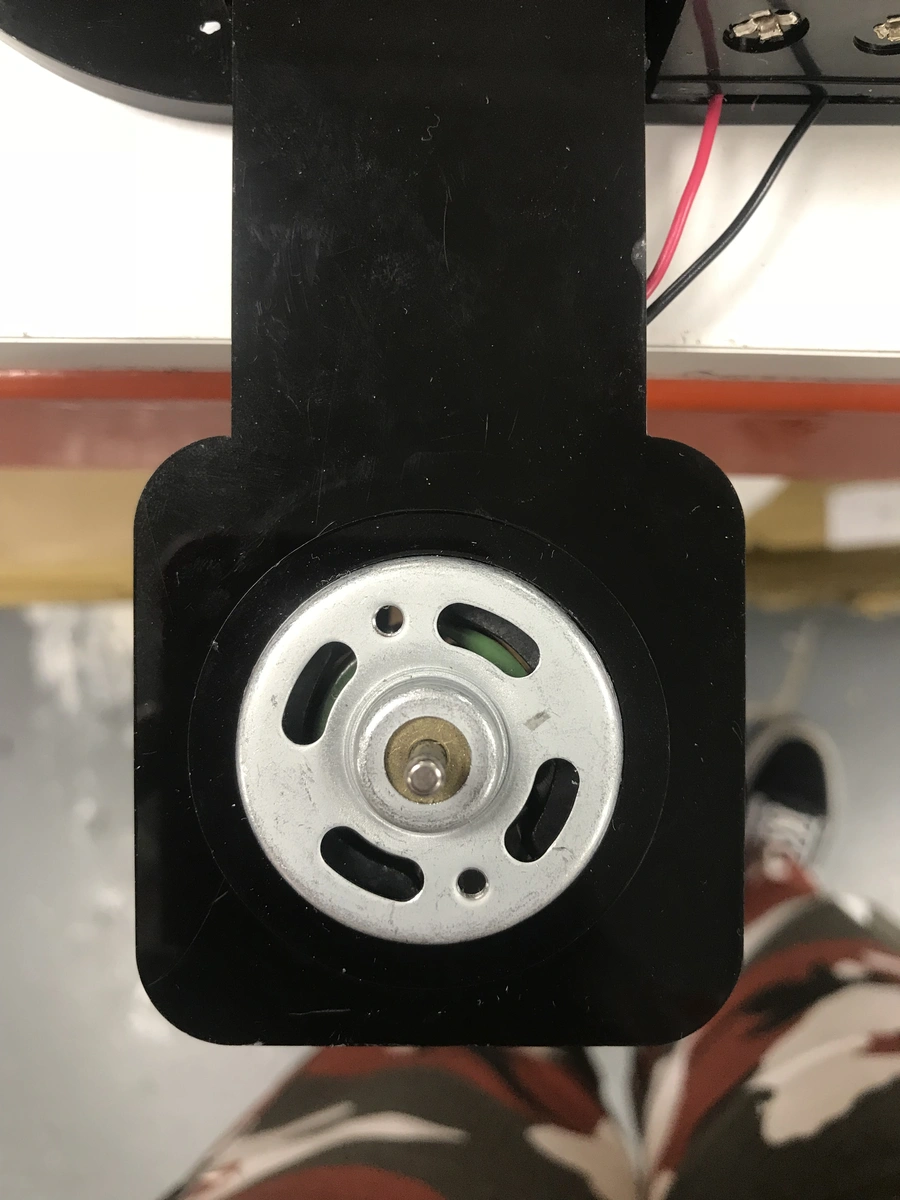
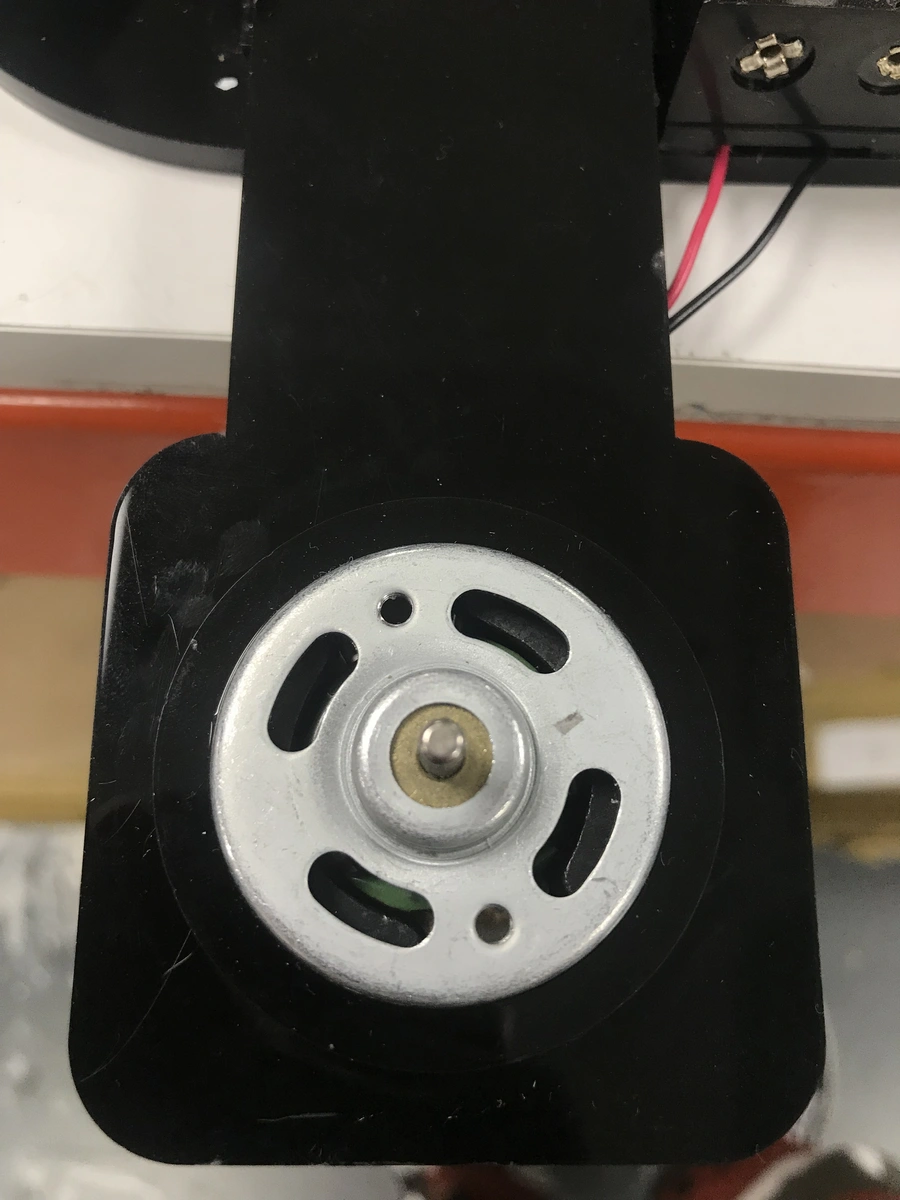
4 separate motors, each to power the magnetic wheels attached to them. (24V 21000RPM High Torque 775 motor.)
Switch
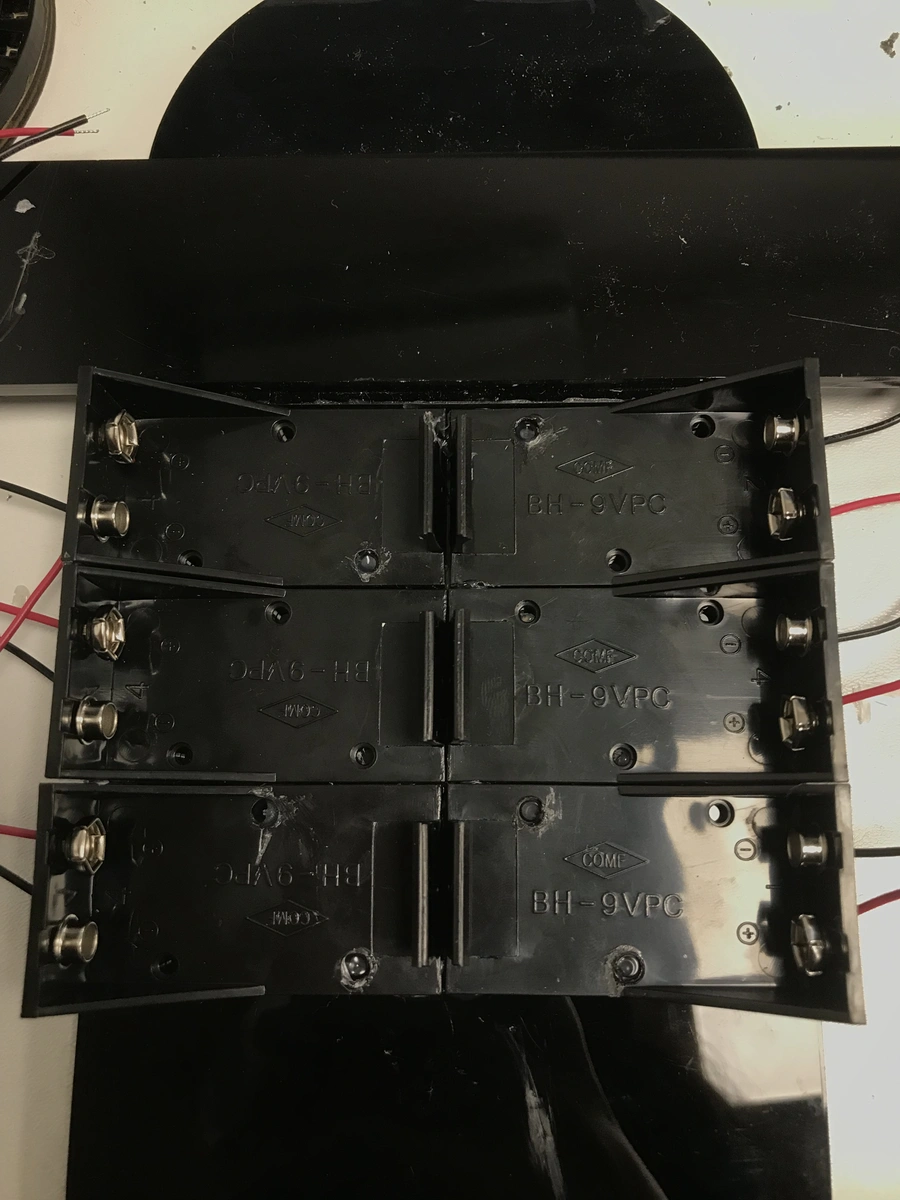
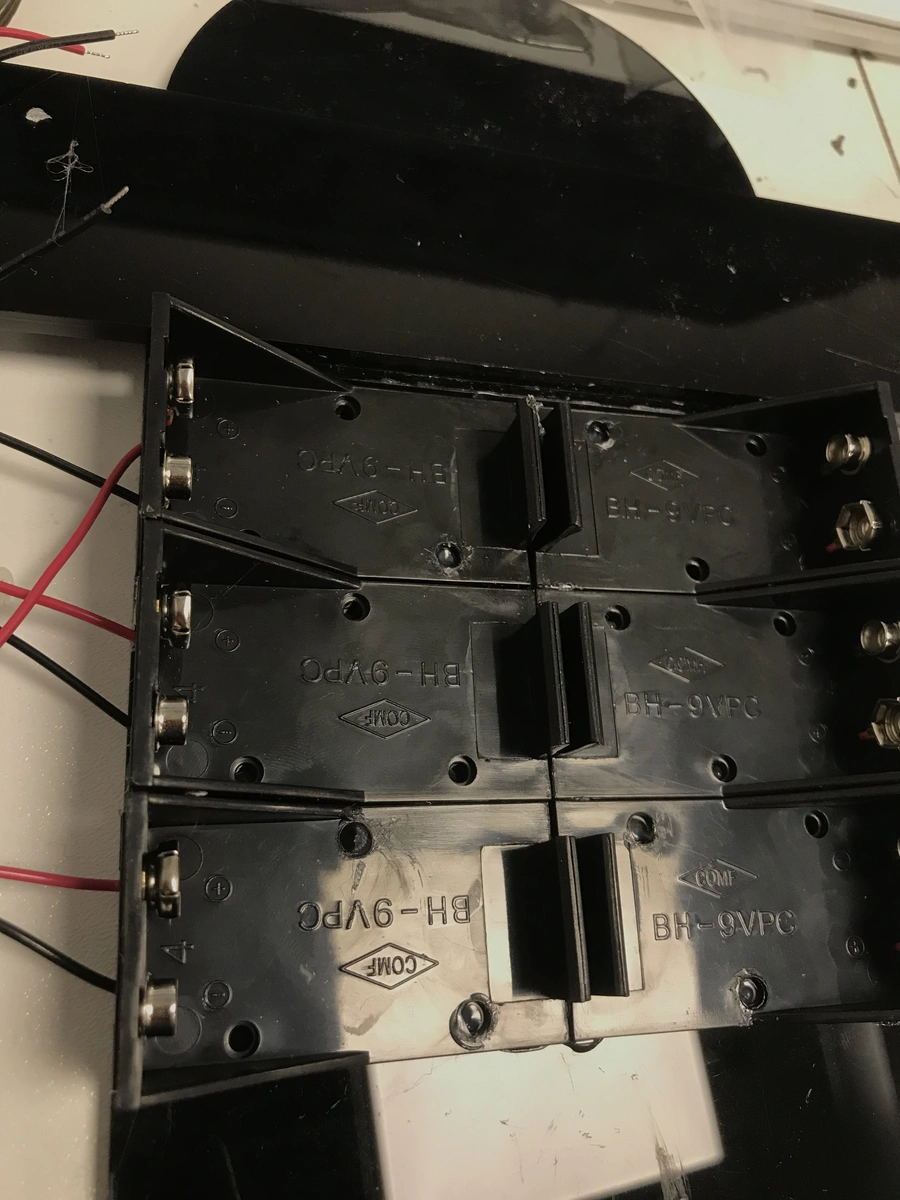
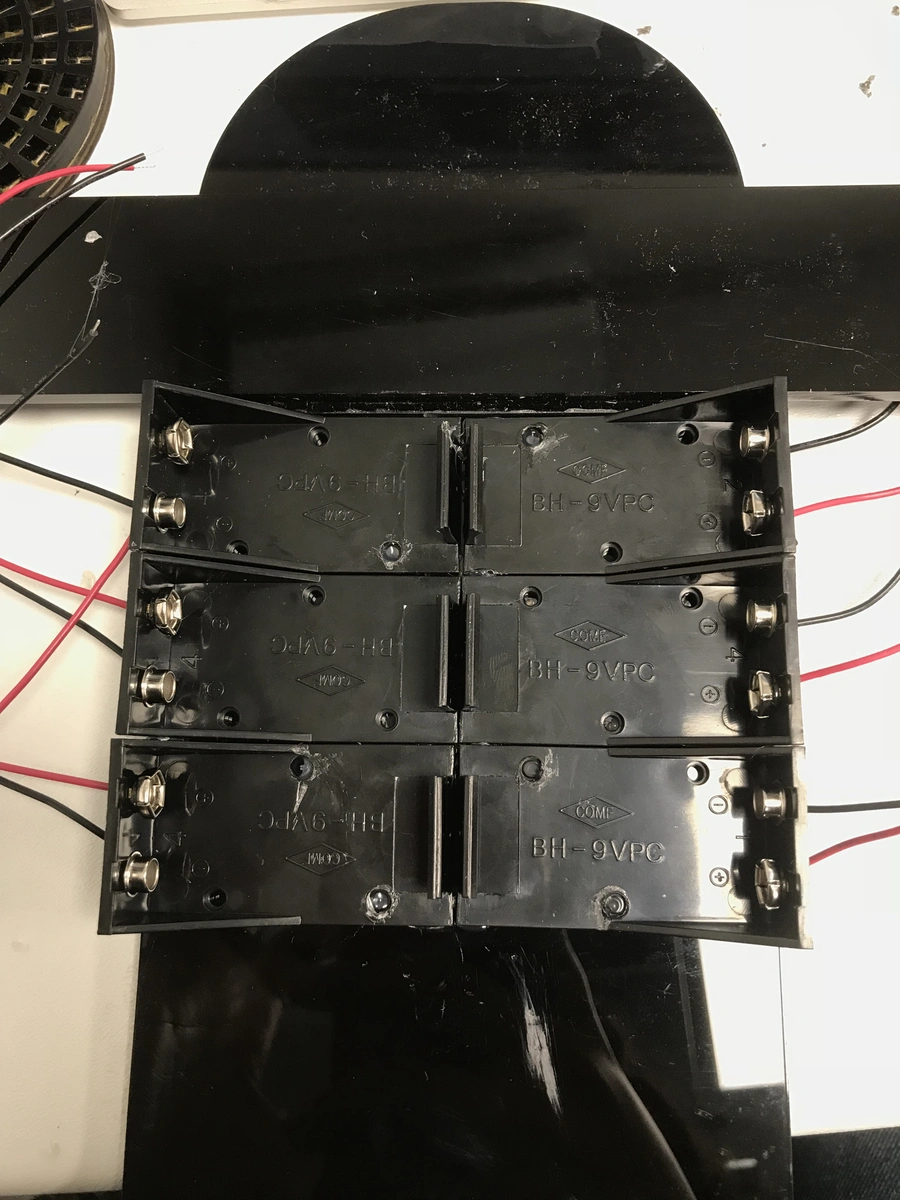
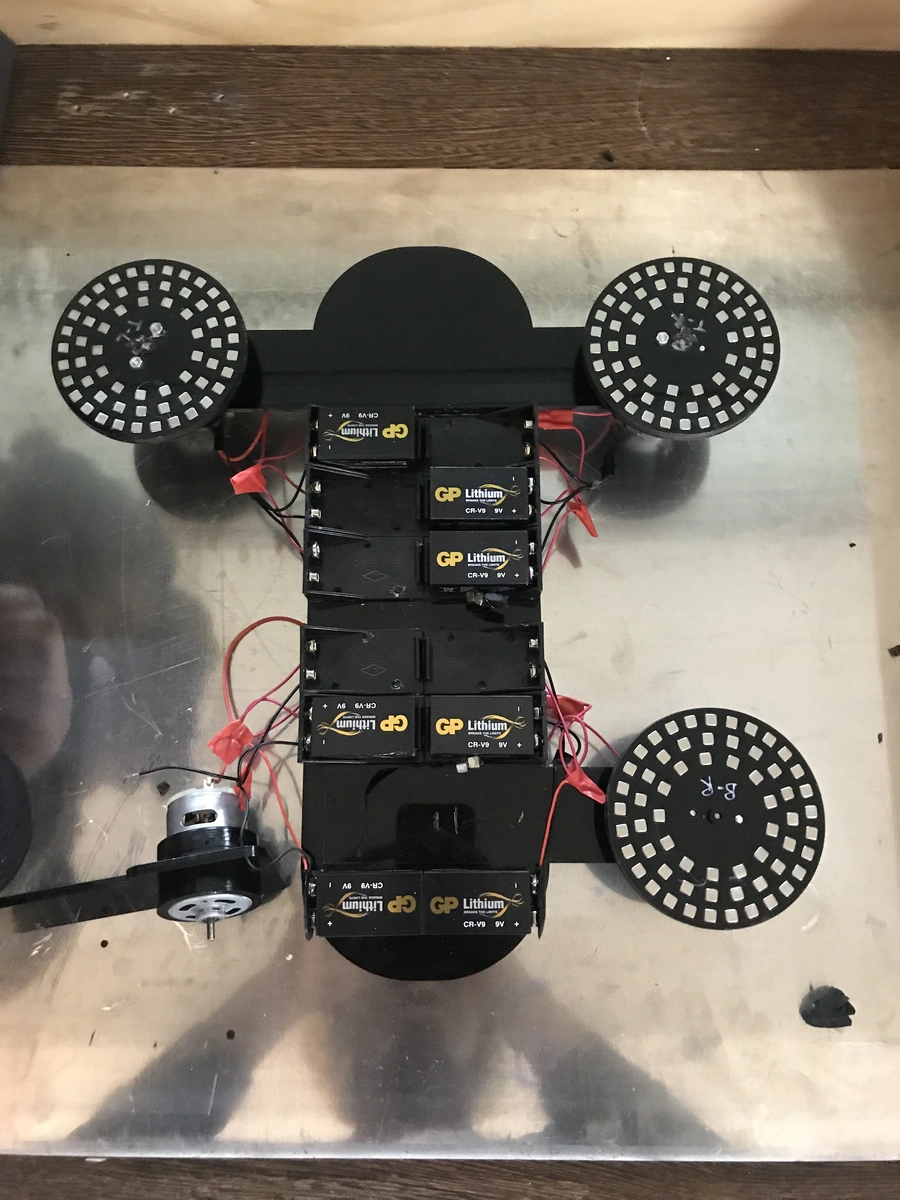
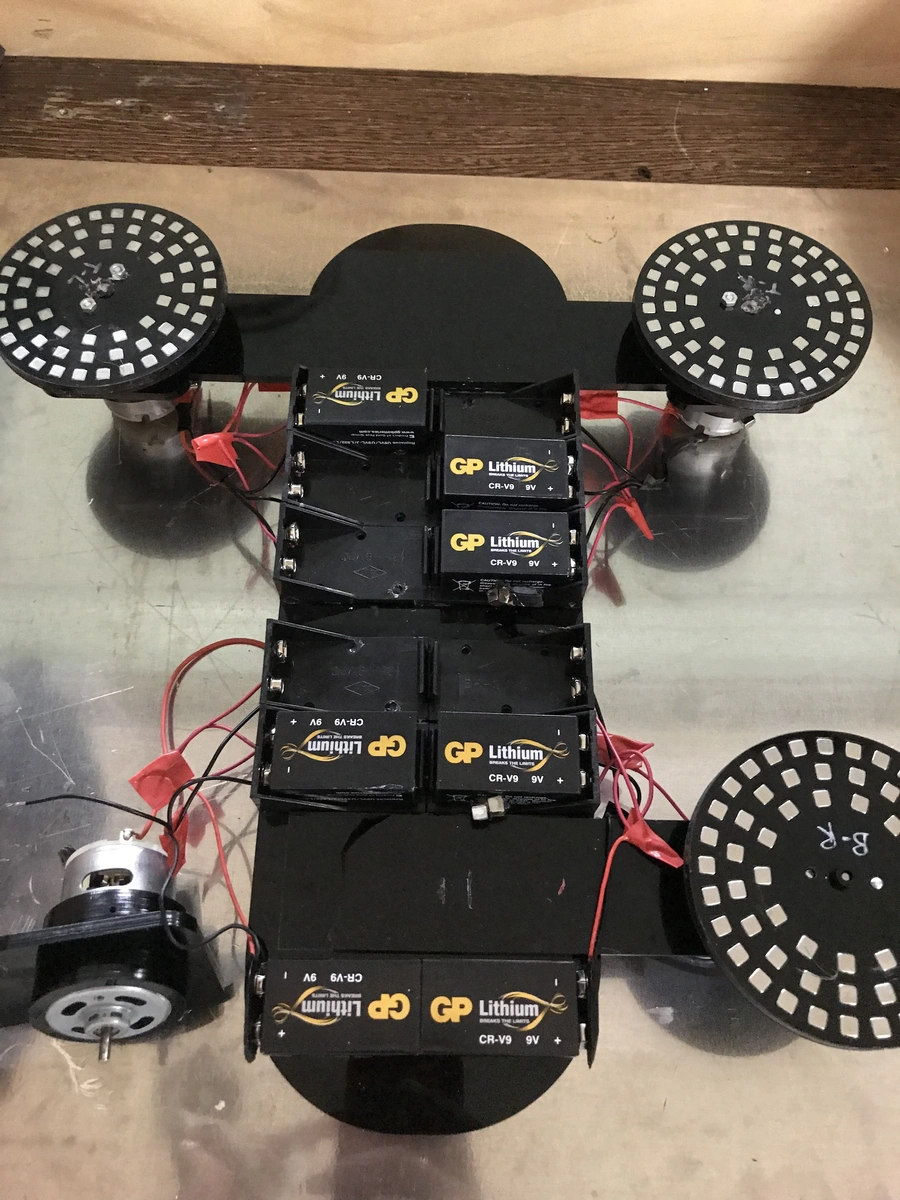
A single switch controls 2/3 batteries. The batteries then power the motor closest to them.
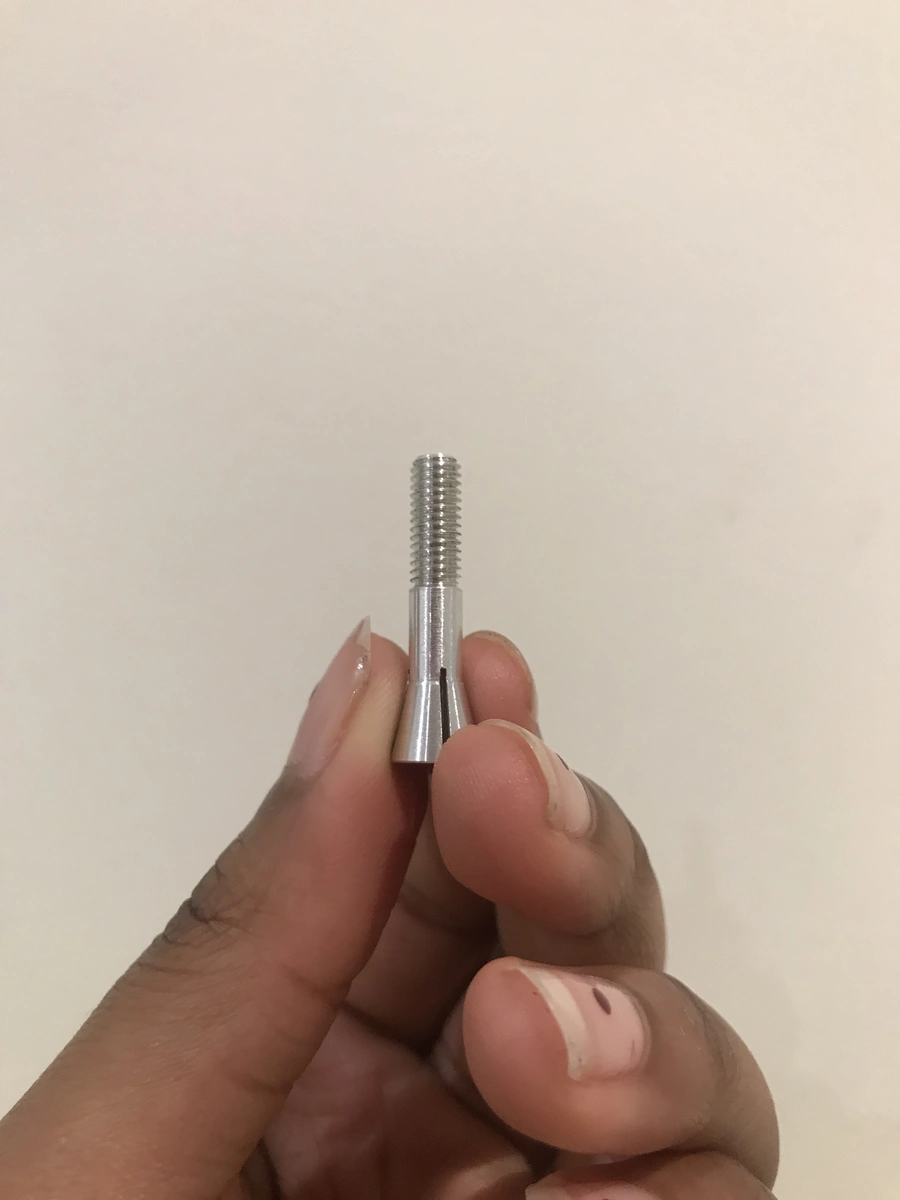
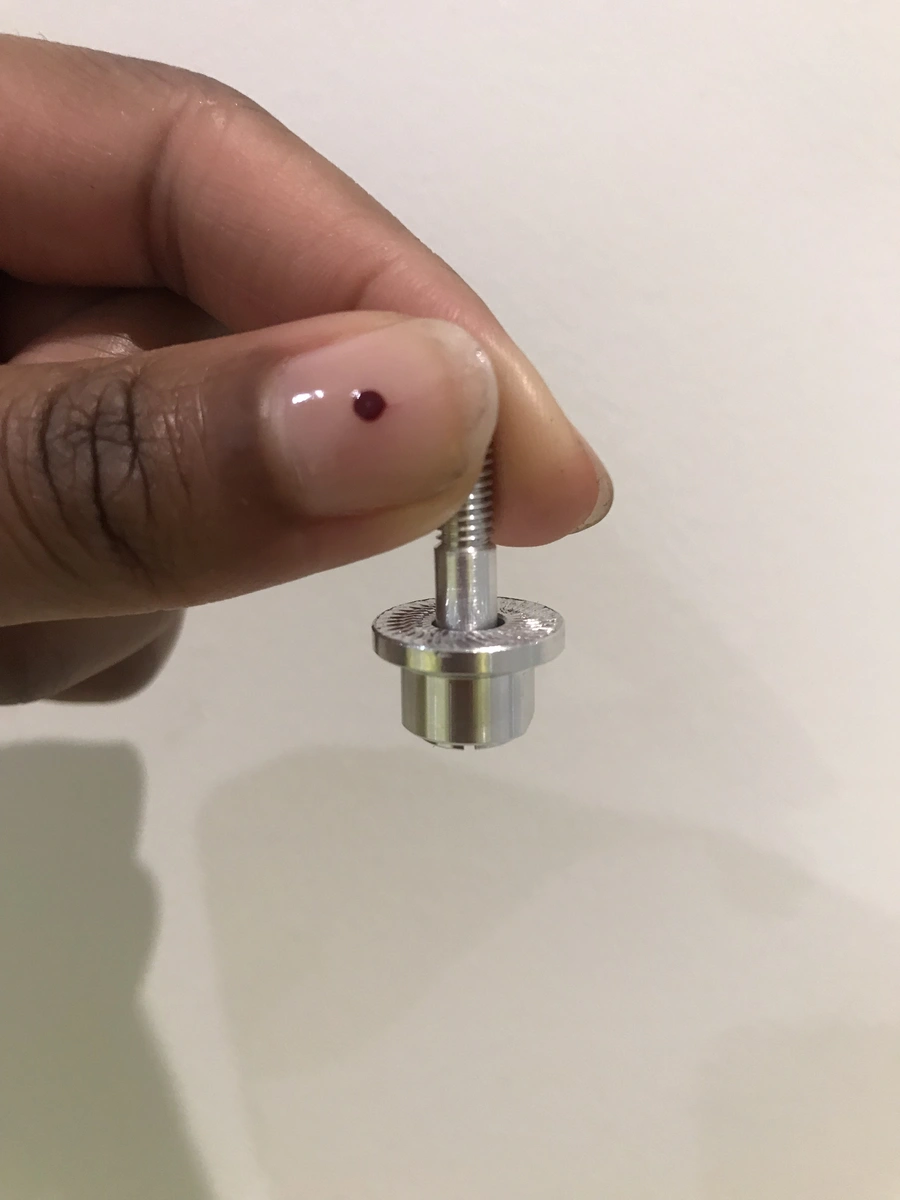
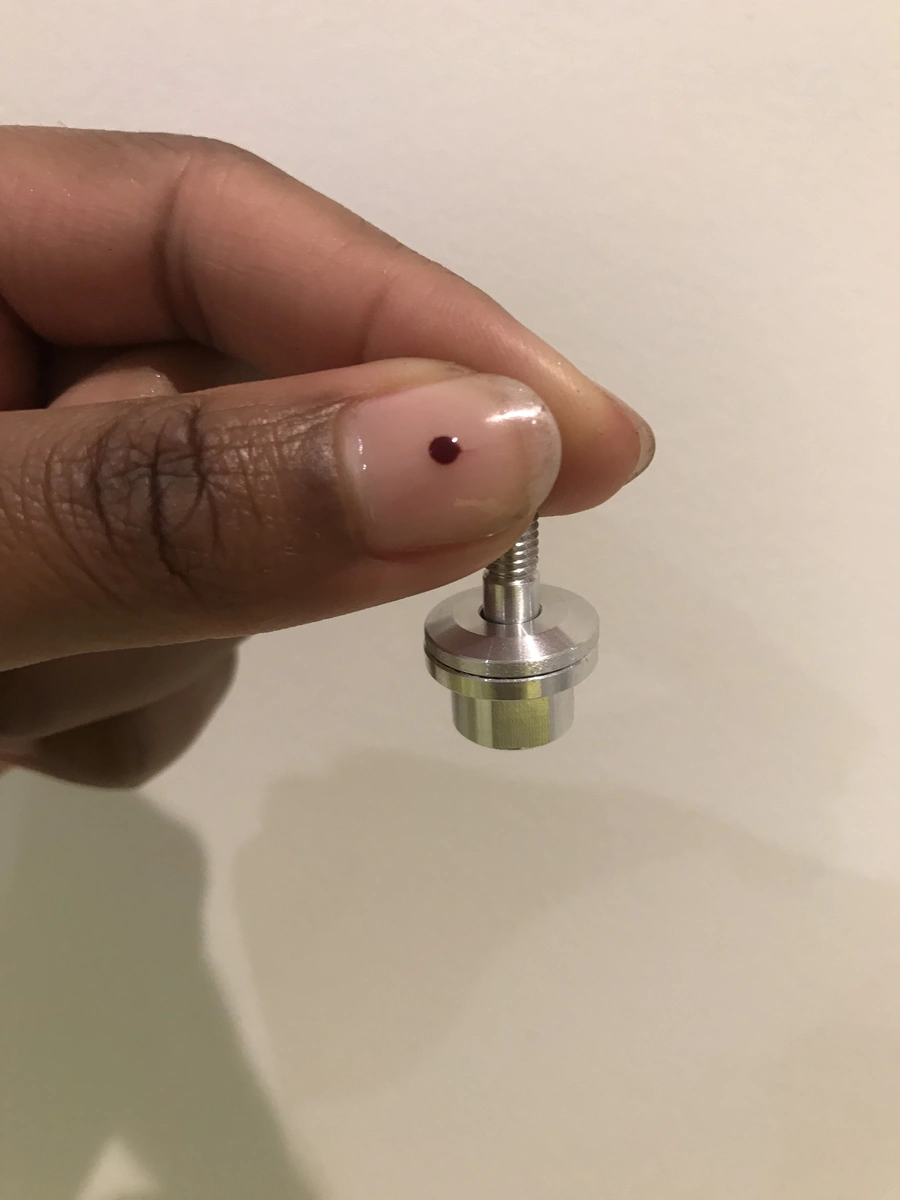
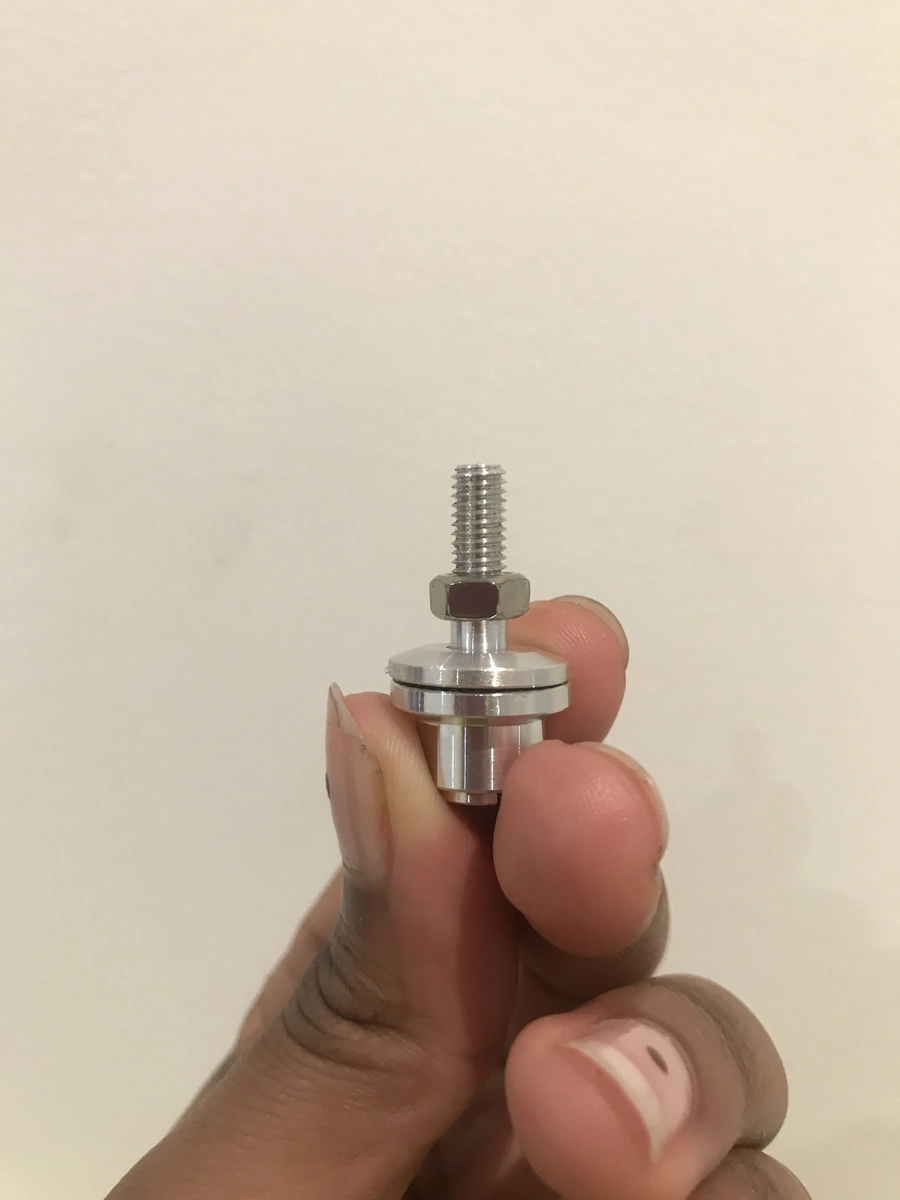
Final wheel
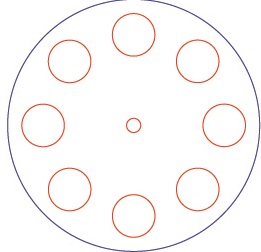
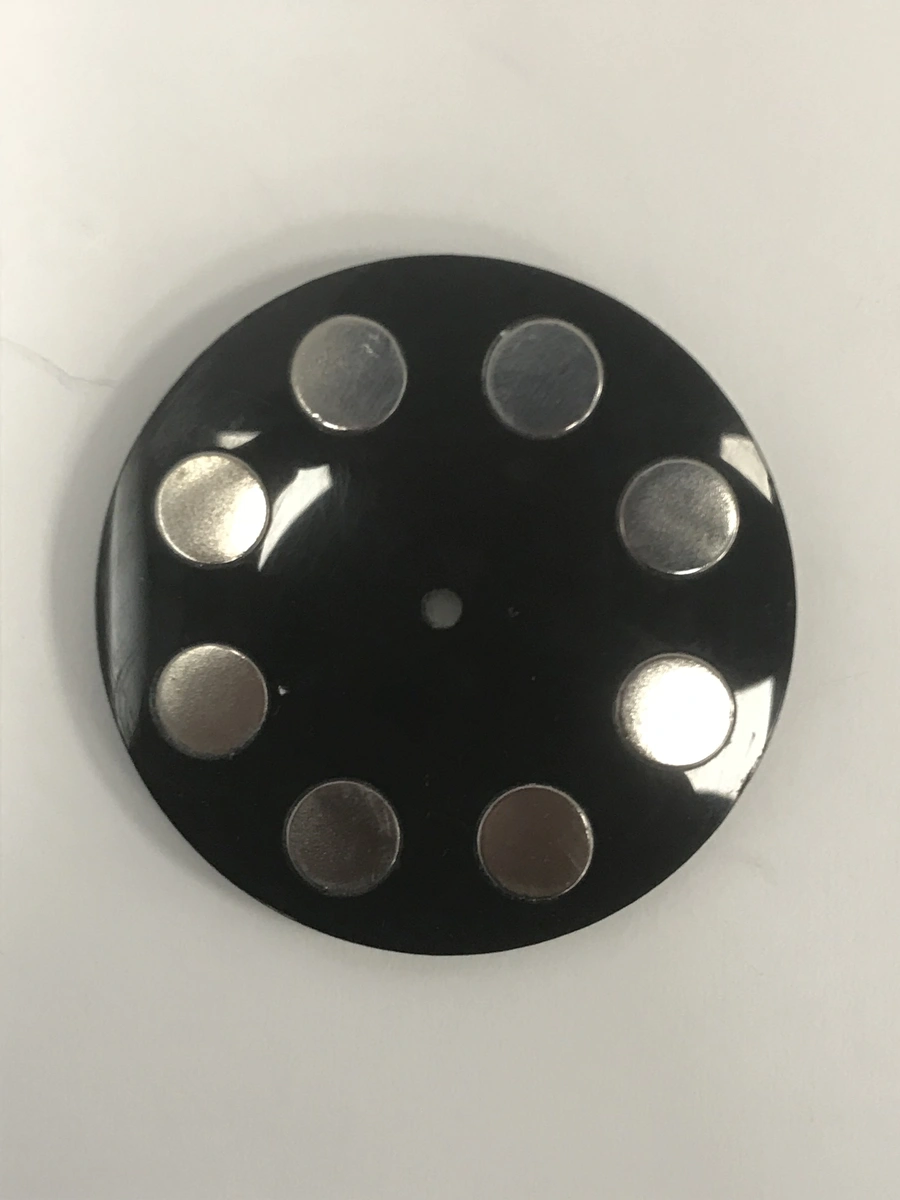
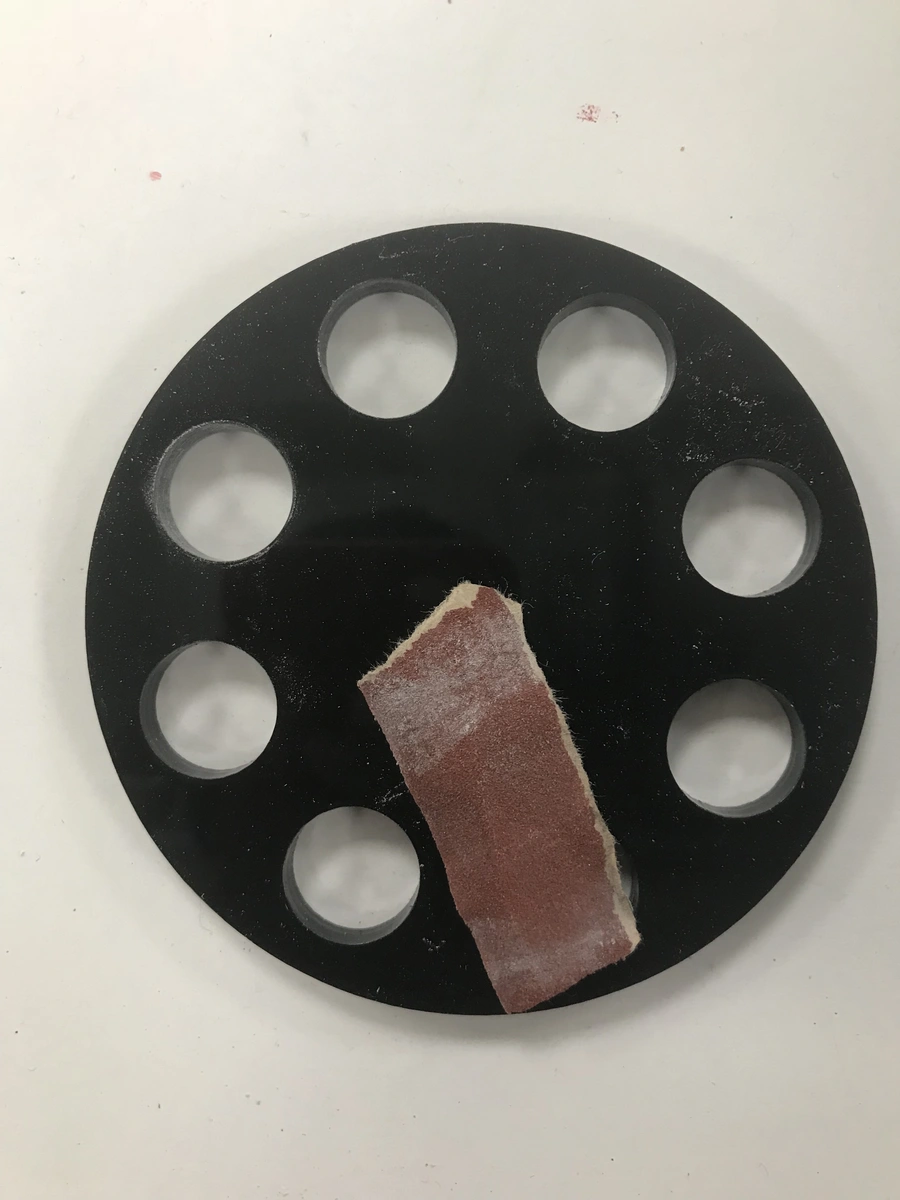
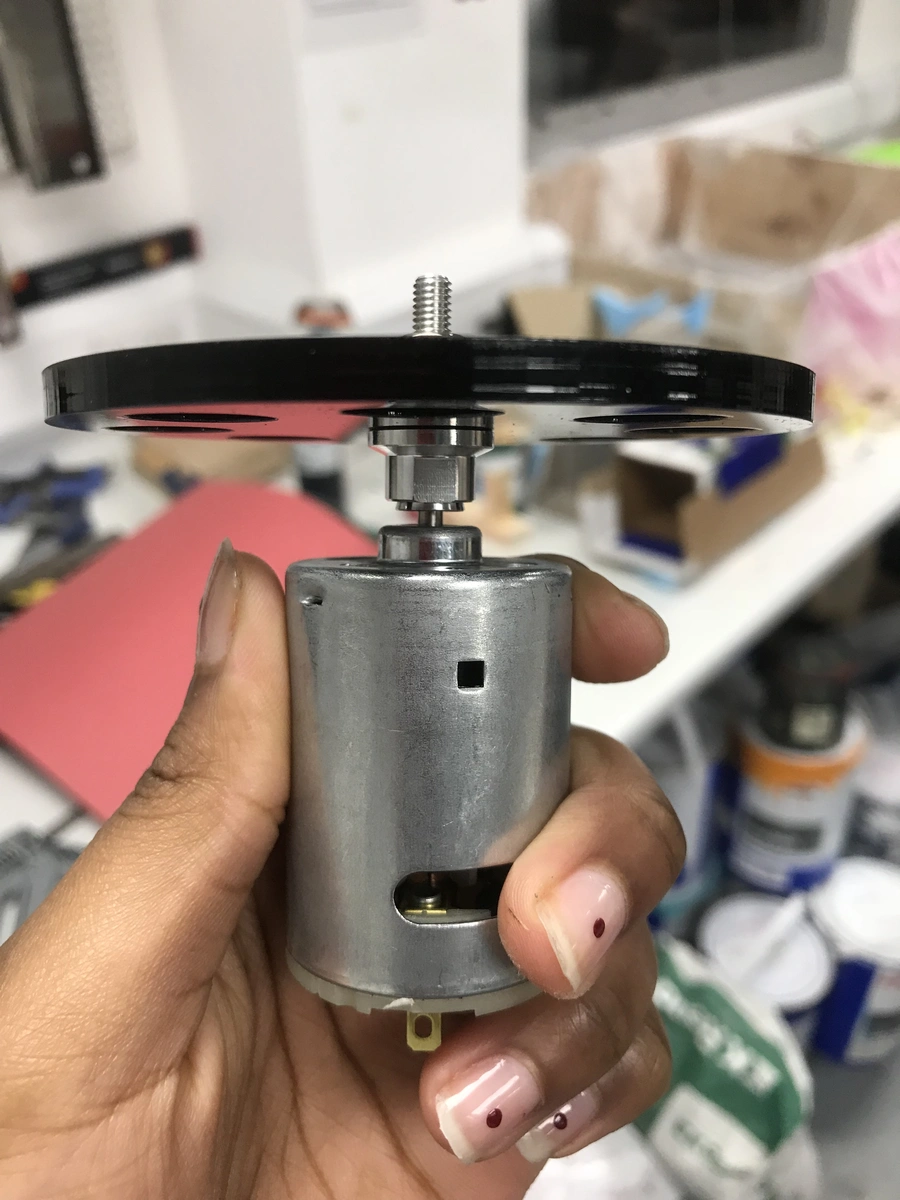
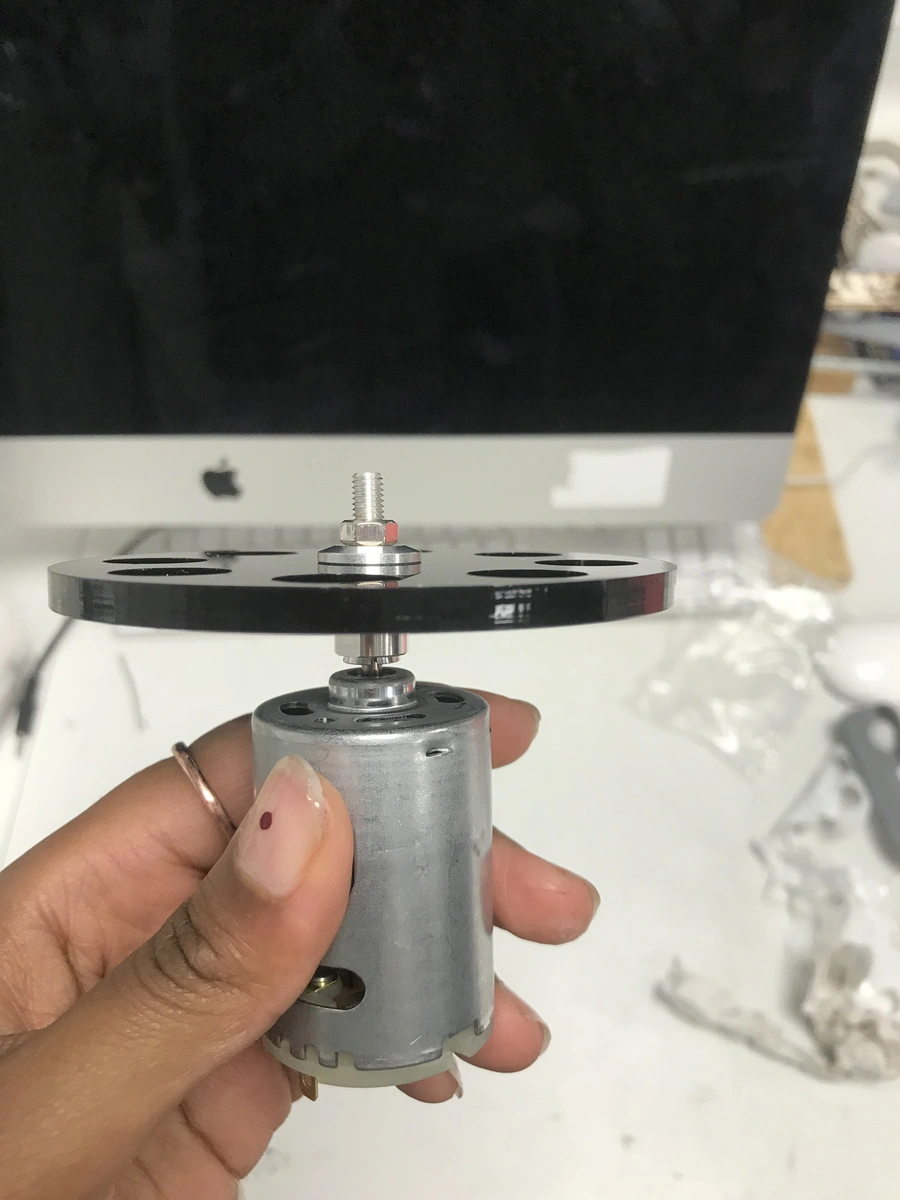
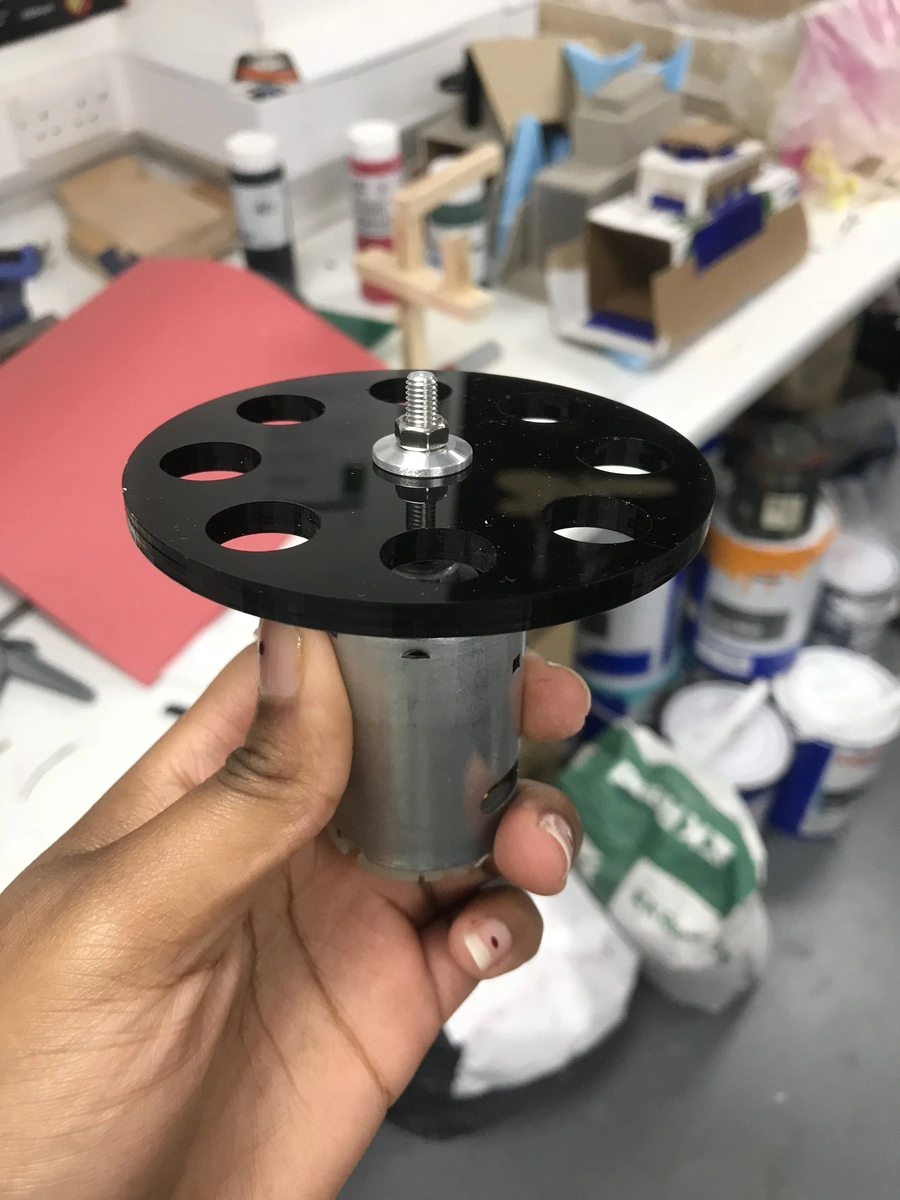
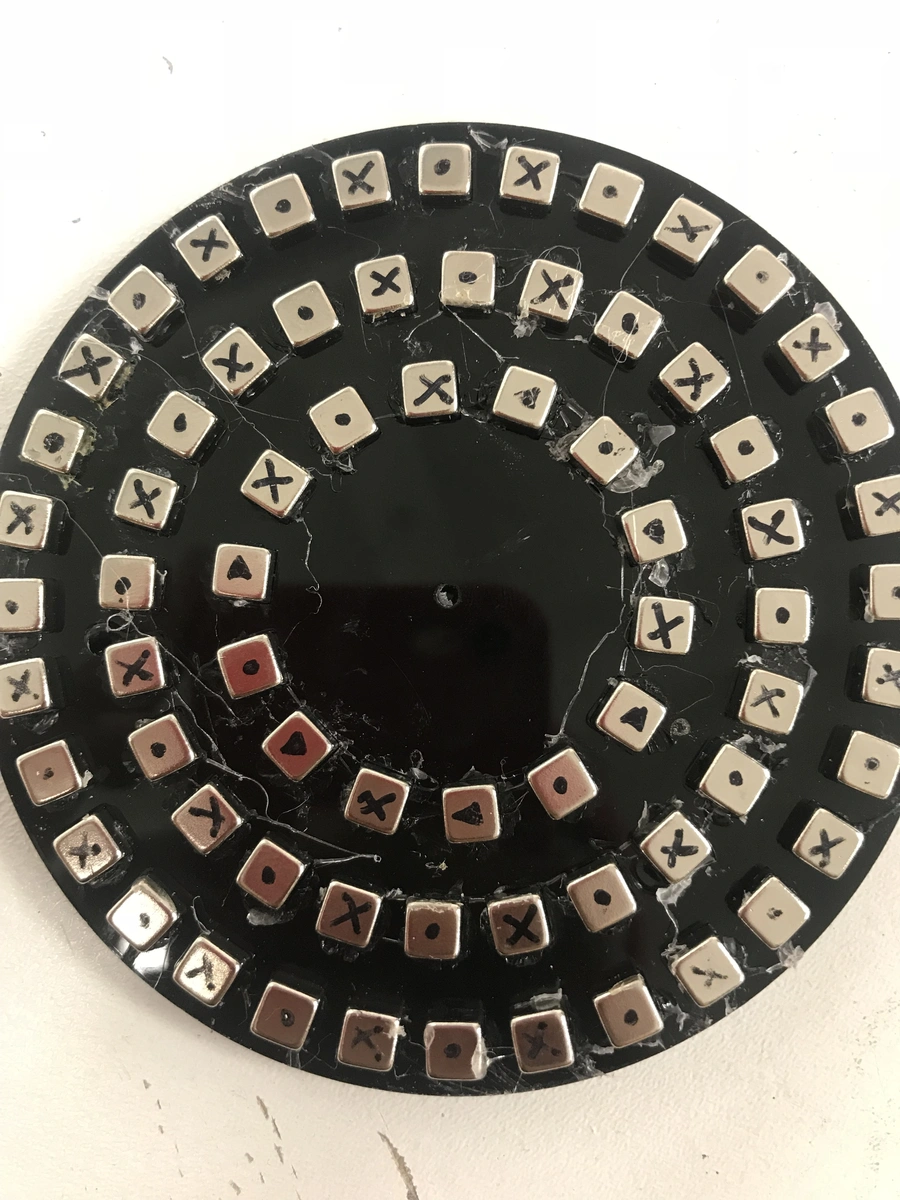
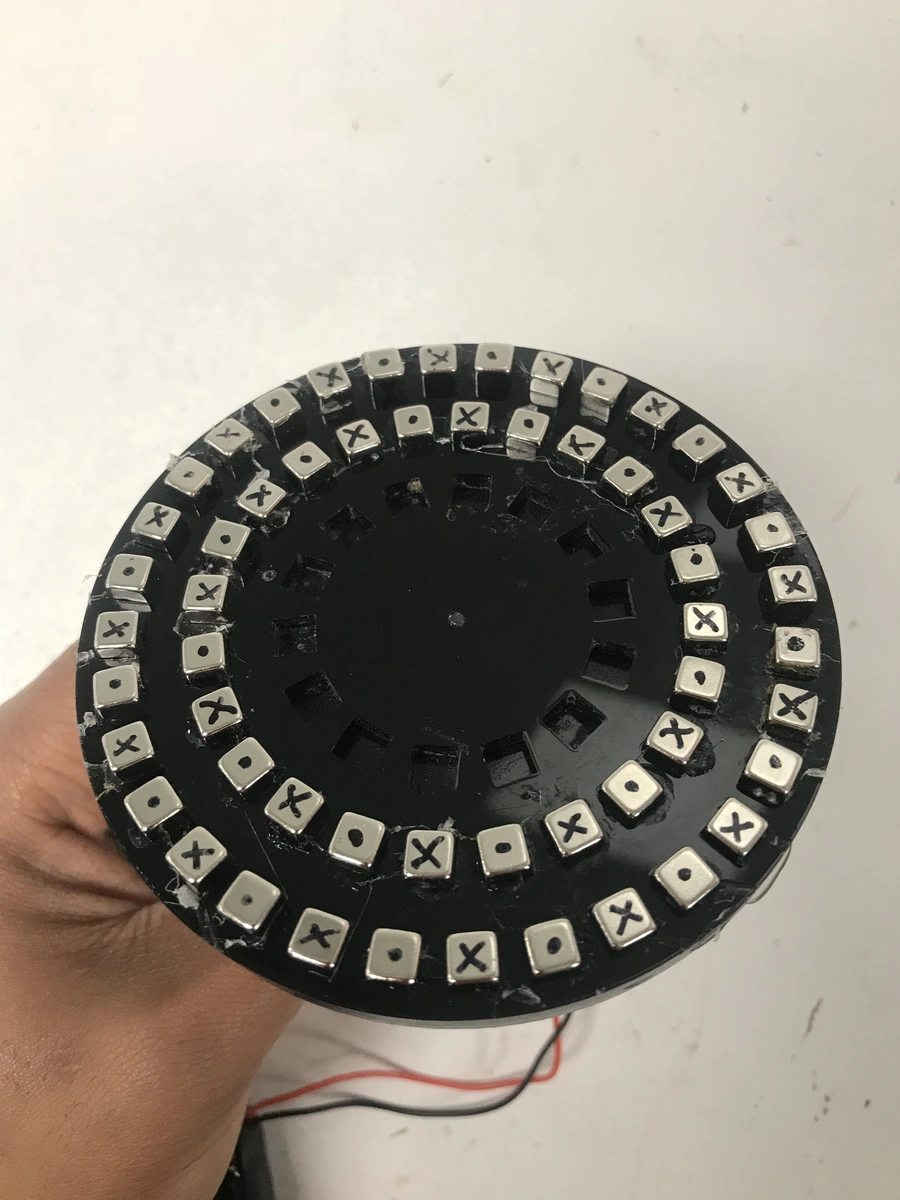
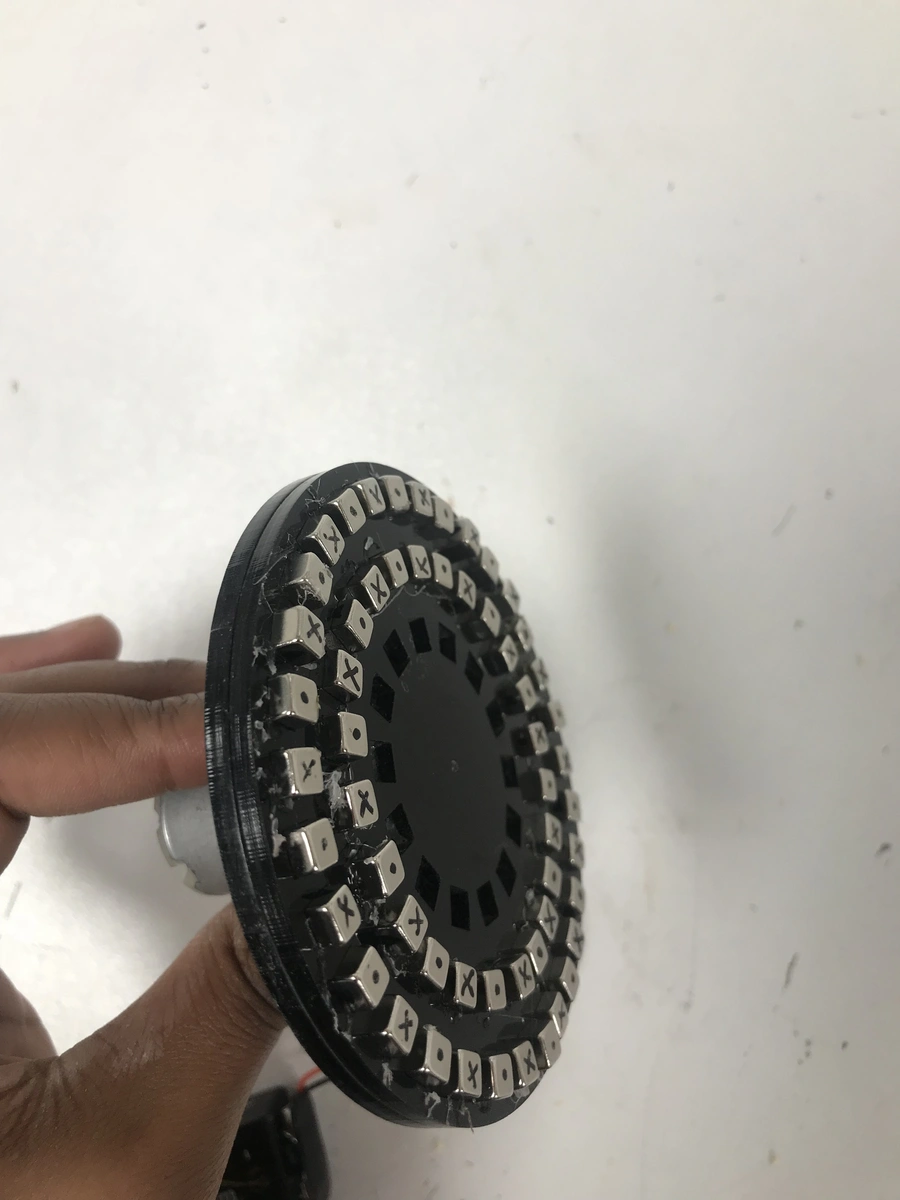
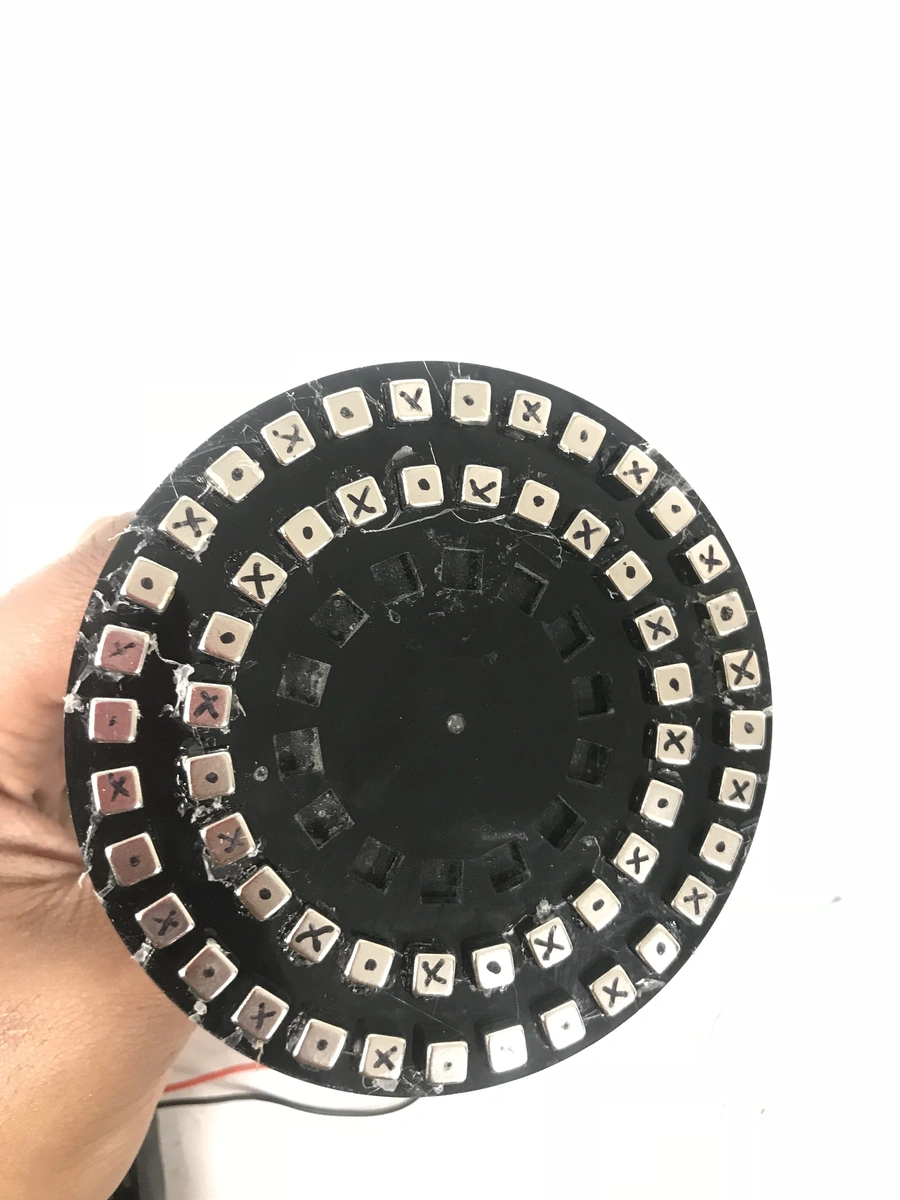
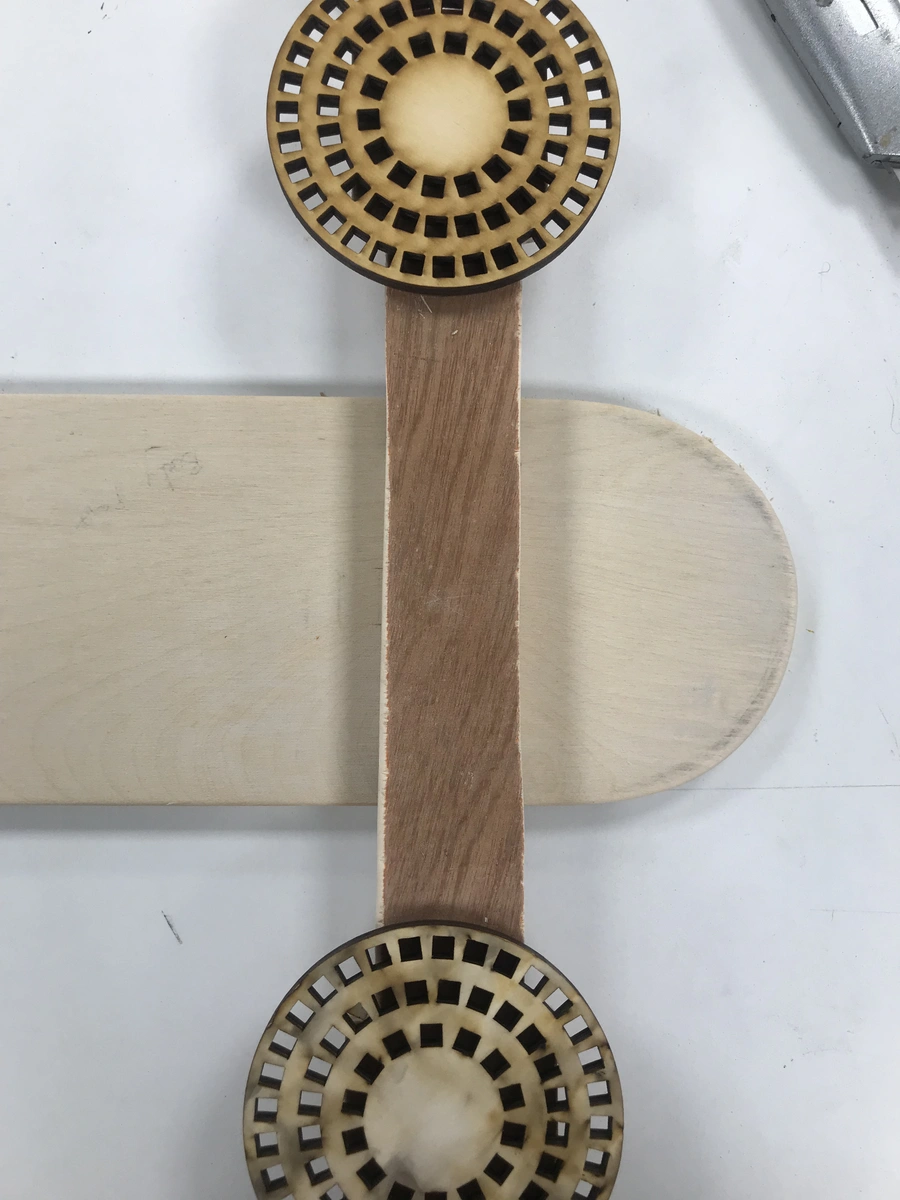
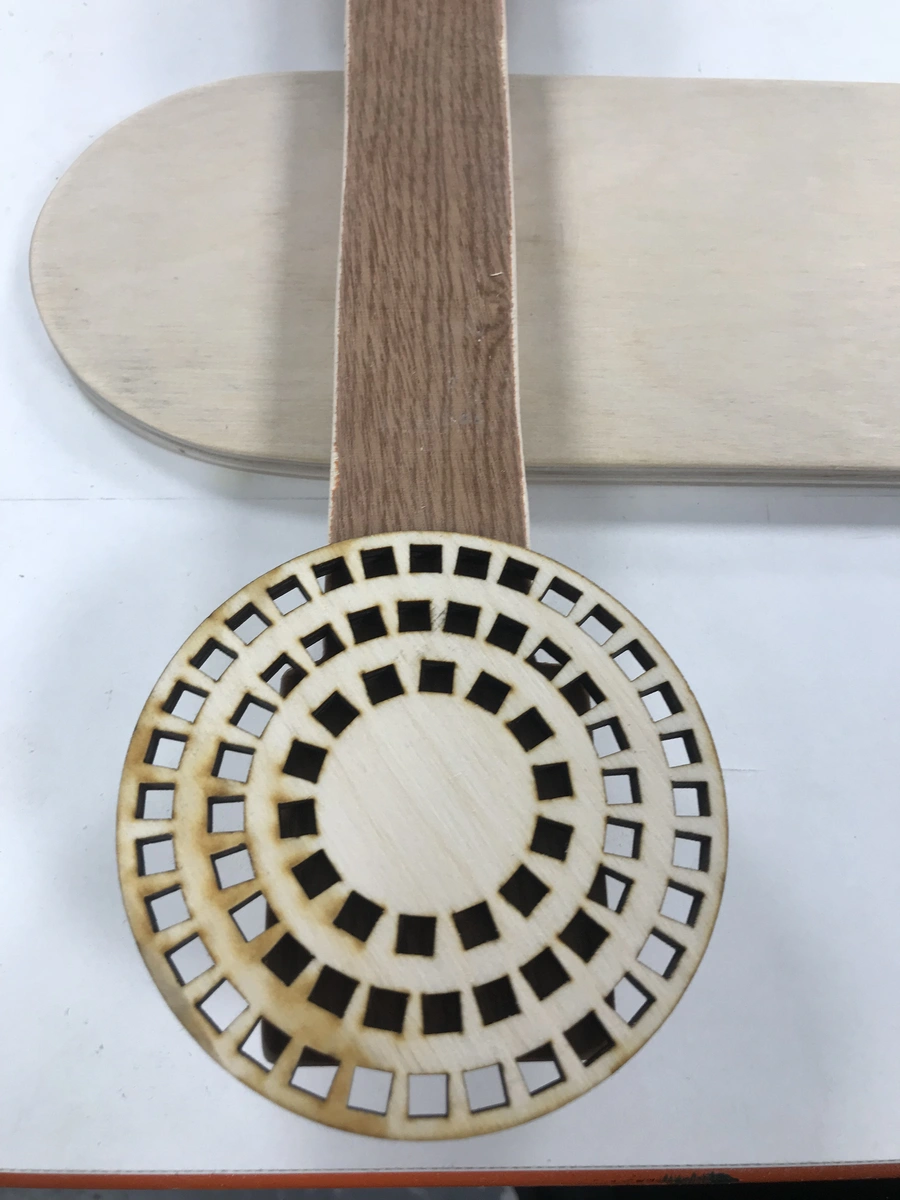
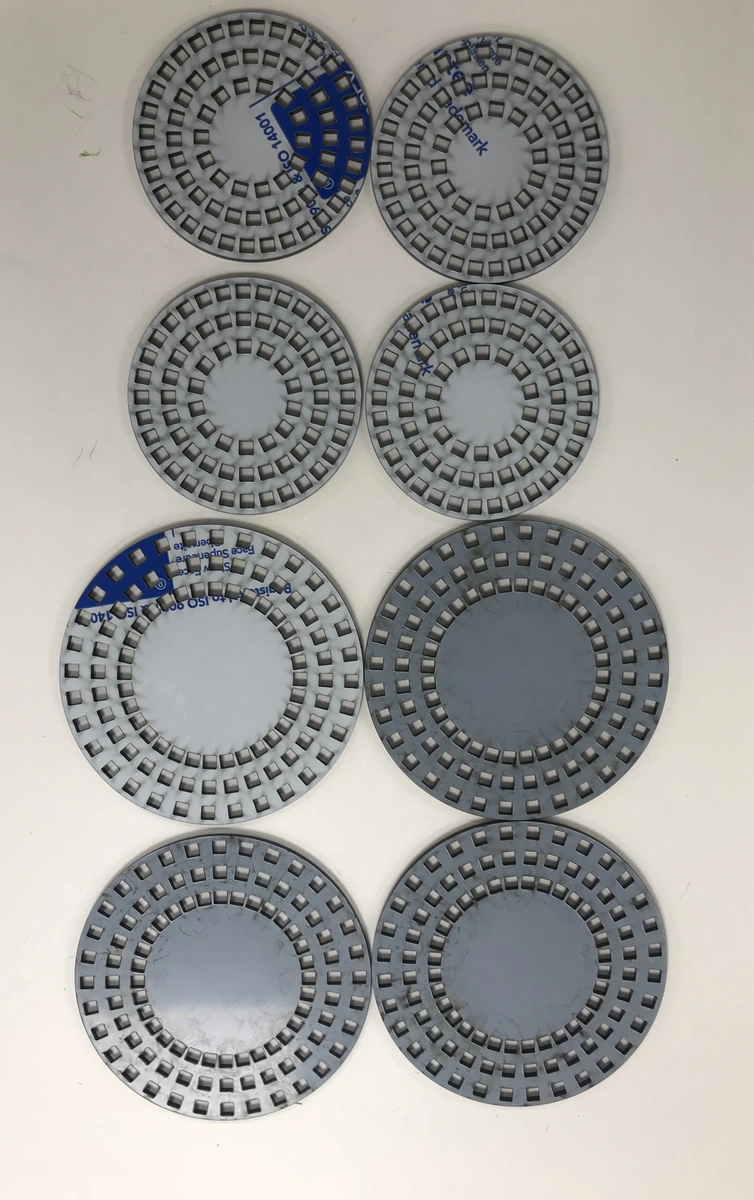
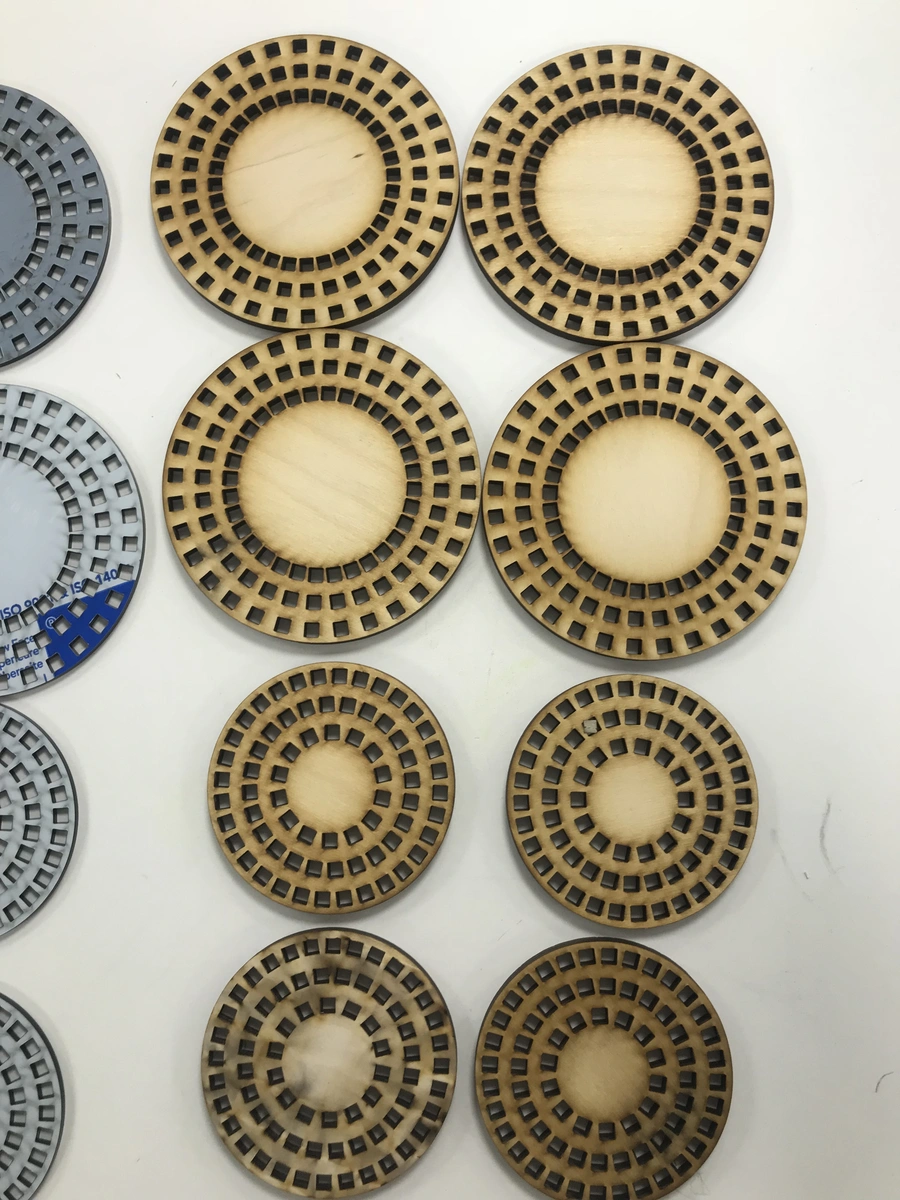
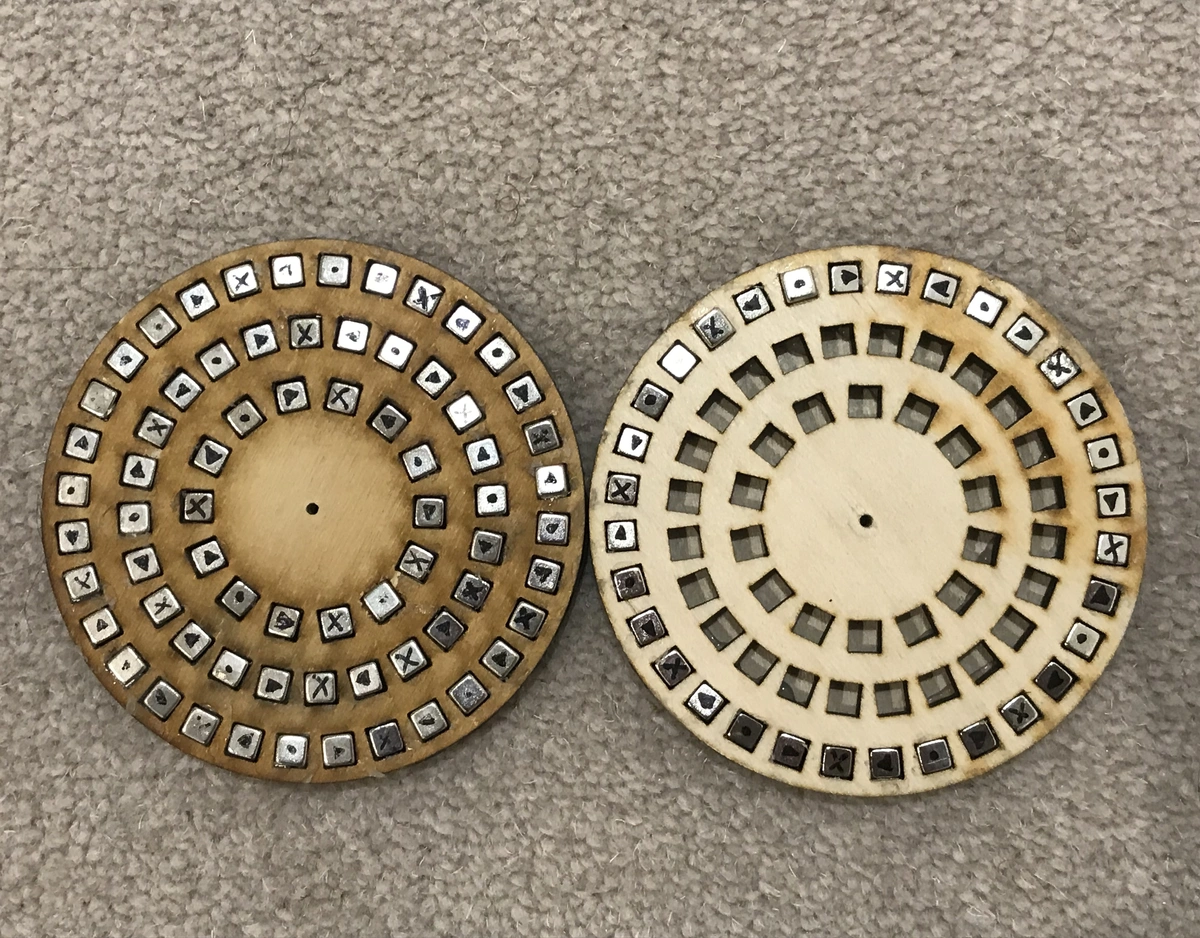
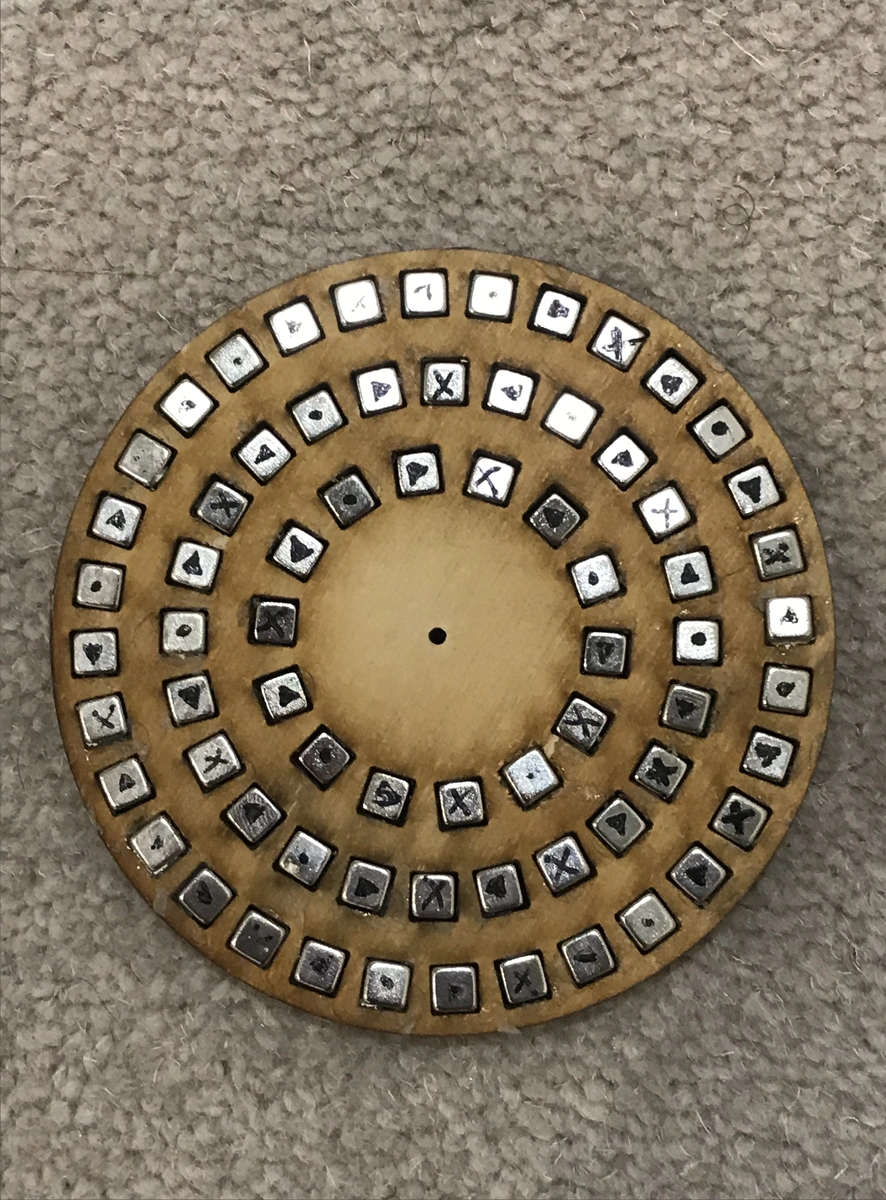
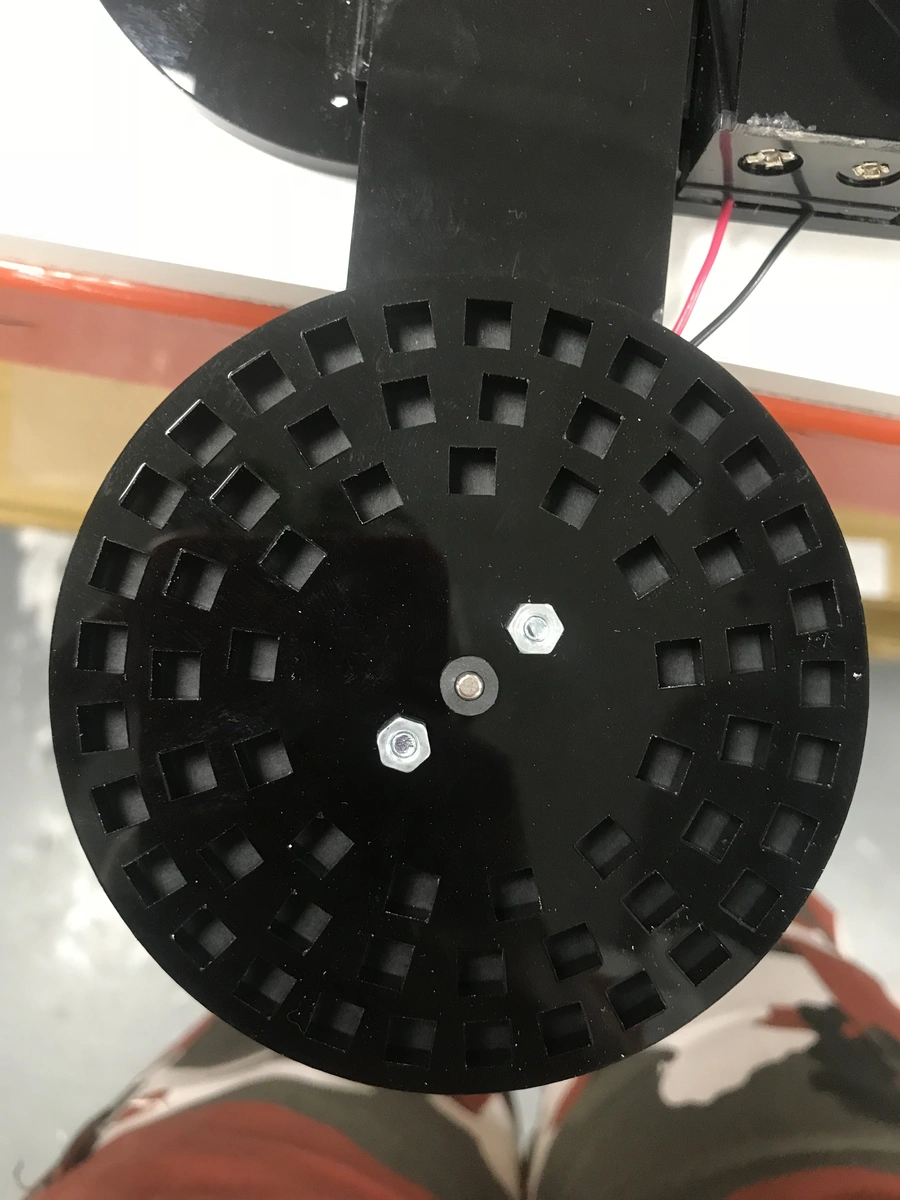
This was the final design I made for the wheels and the magnets attached to them. I changed the magnets from square to circular magnets.
By using round magnets, I reduced the number needed to achieve lift-off, focusing on quality over quantity.
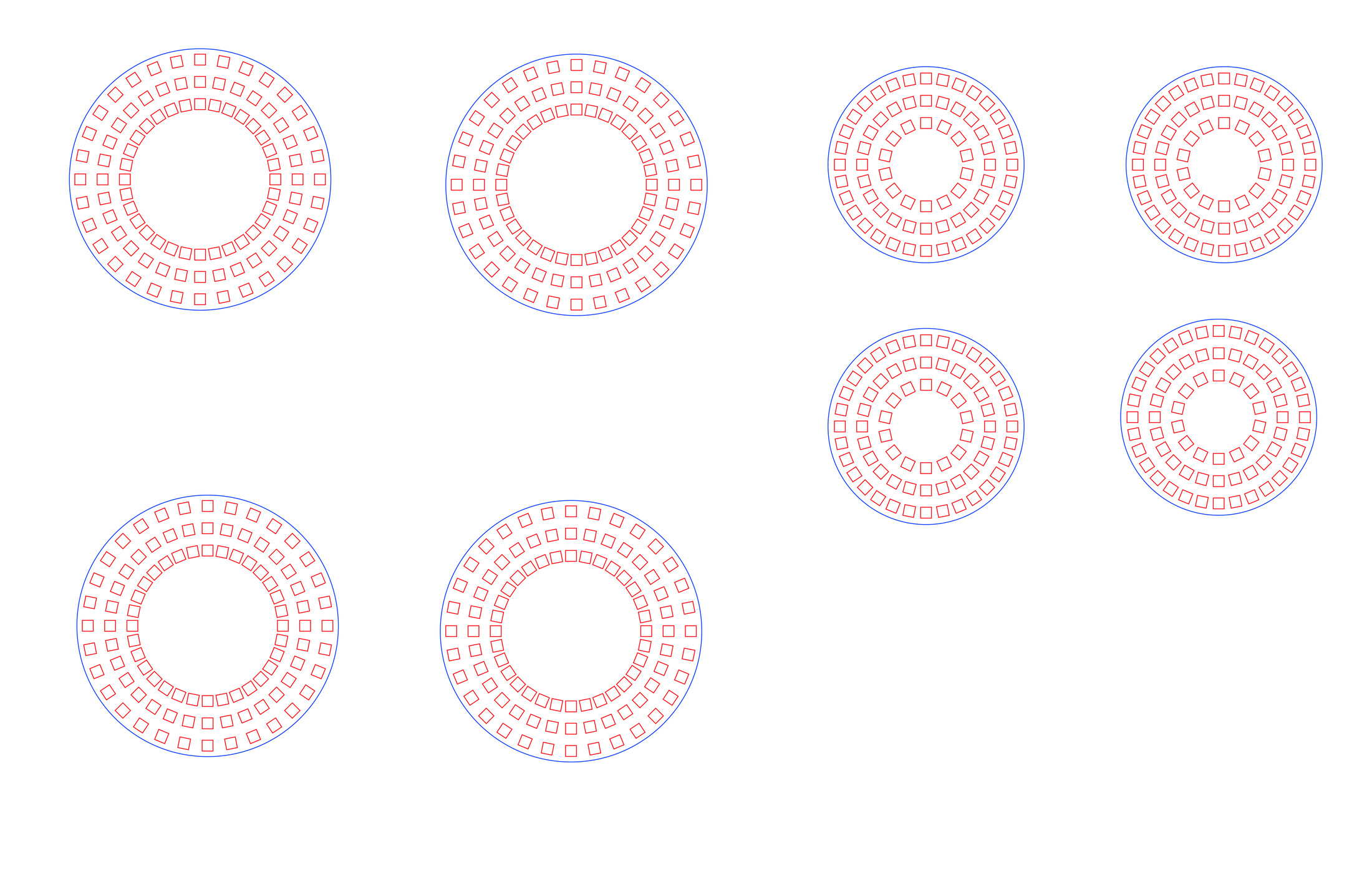
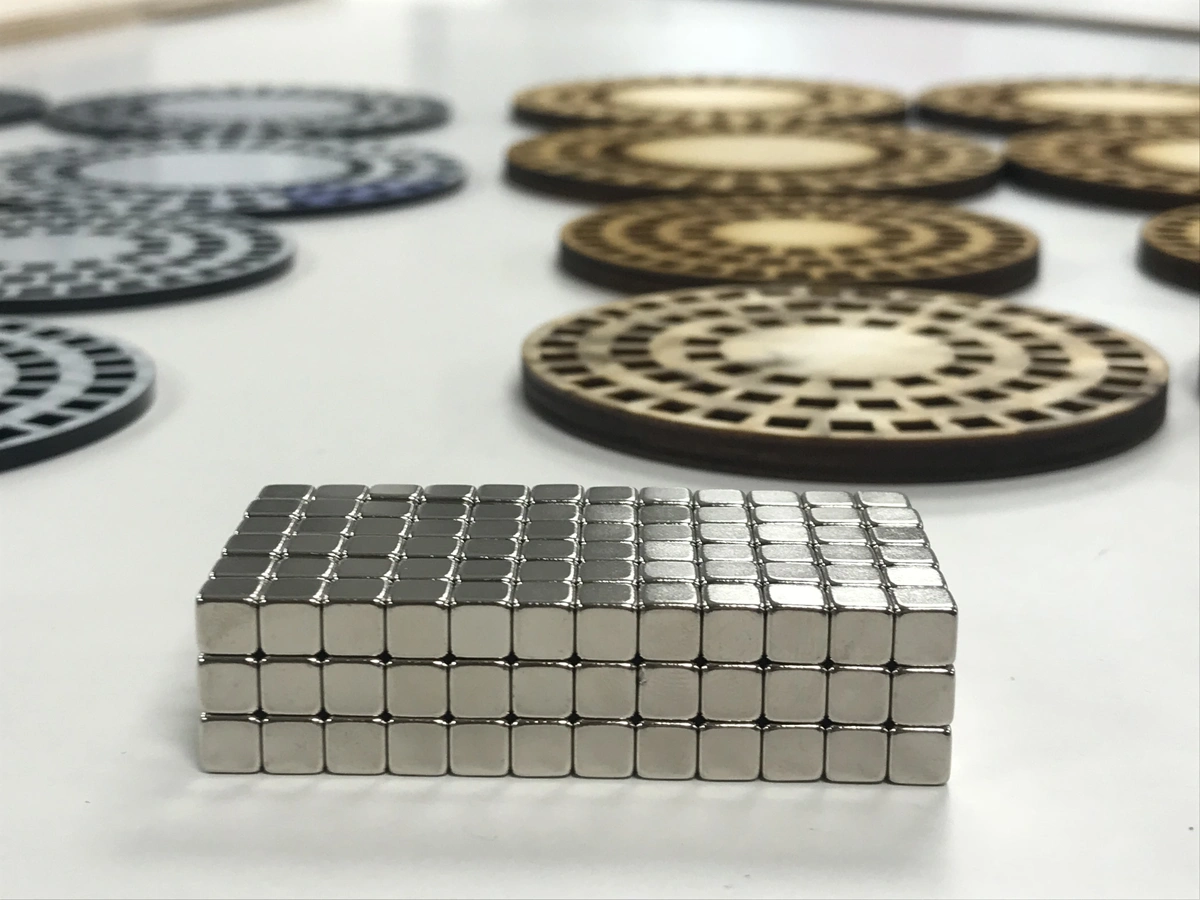
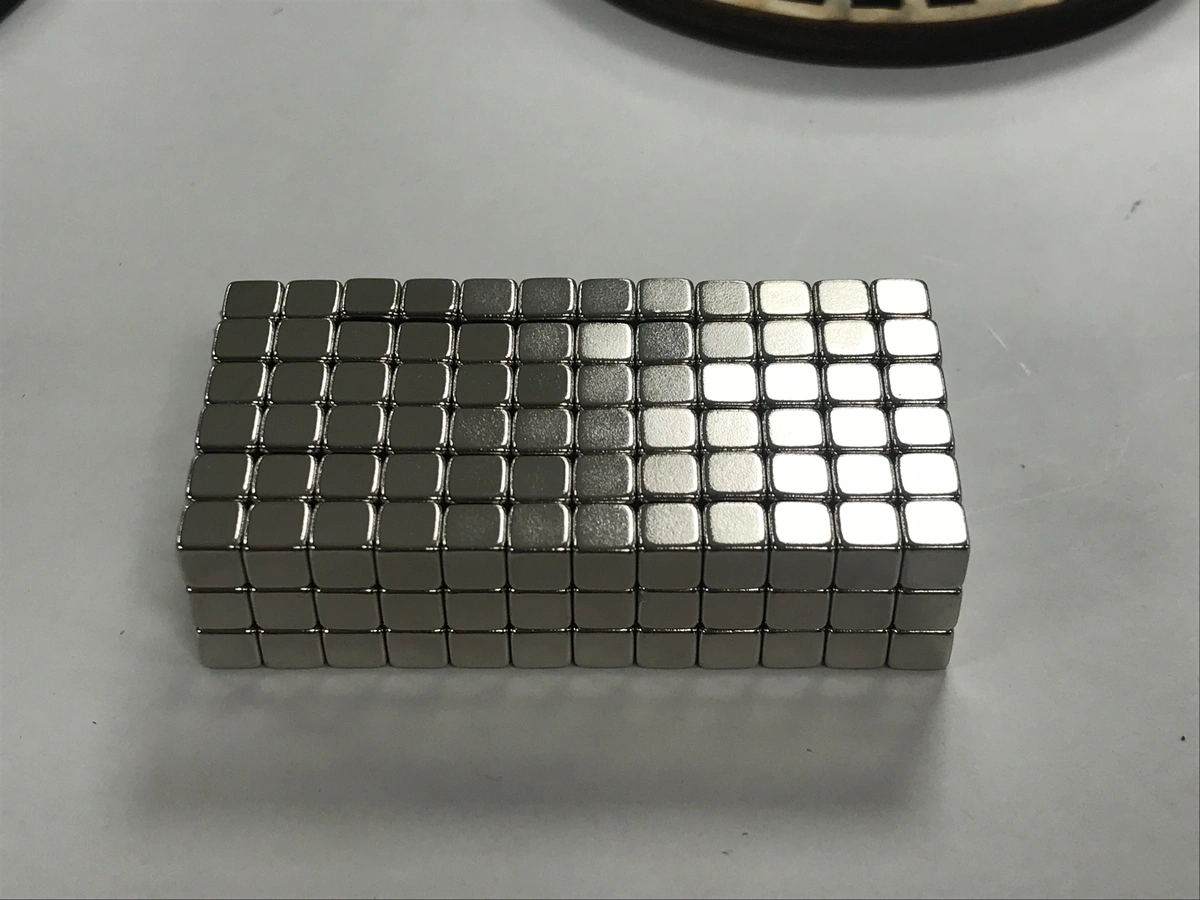
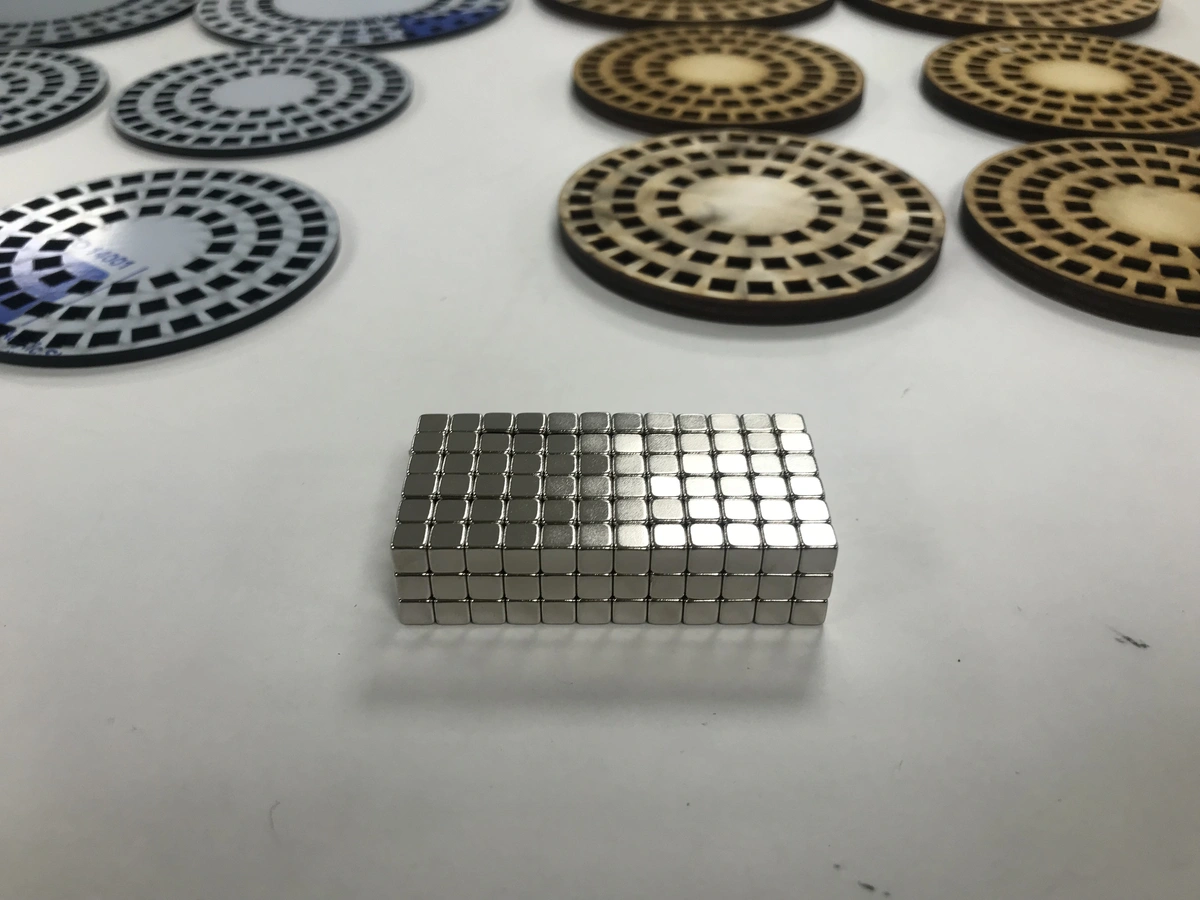
Square Magnets
I started with small square magnets, but they kept detaching and the arrangement looked disorganised. I experimented with them for a while before switching to round magnets.
Wheels
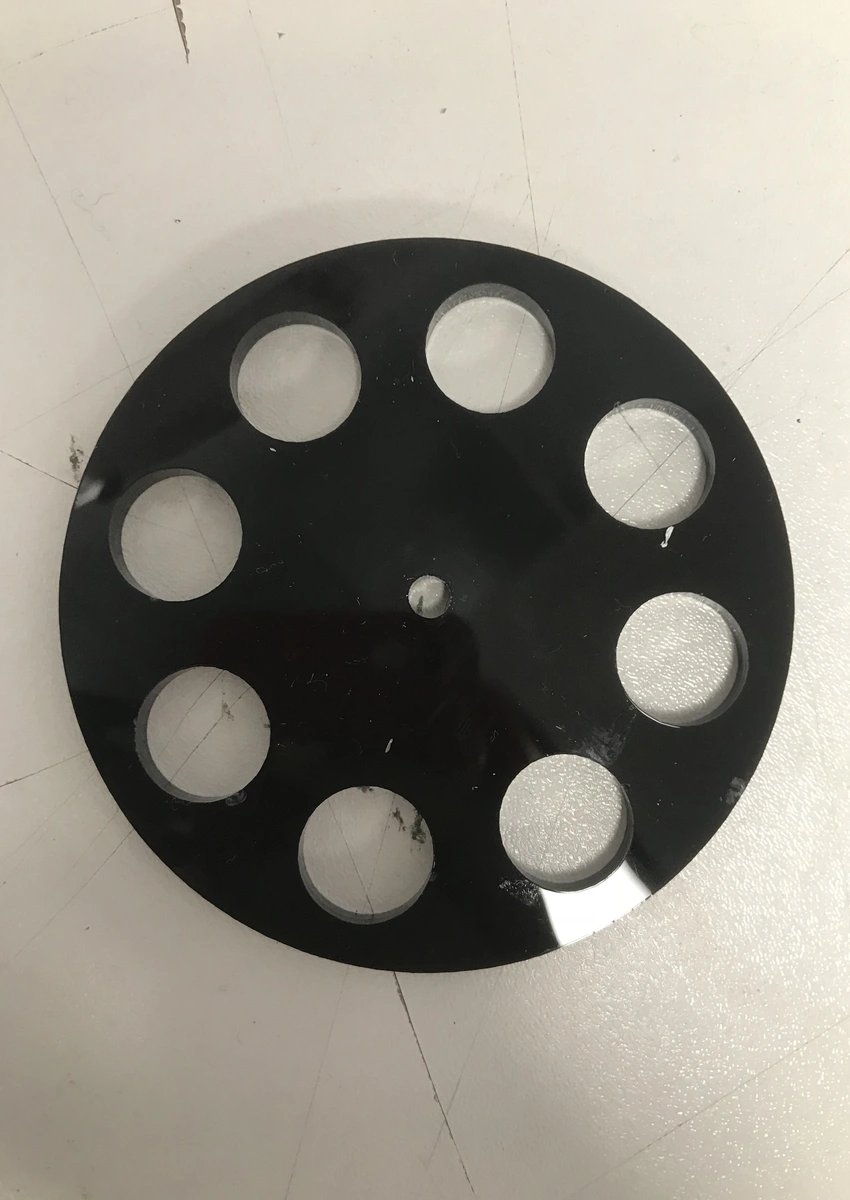
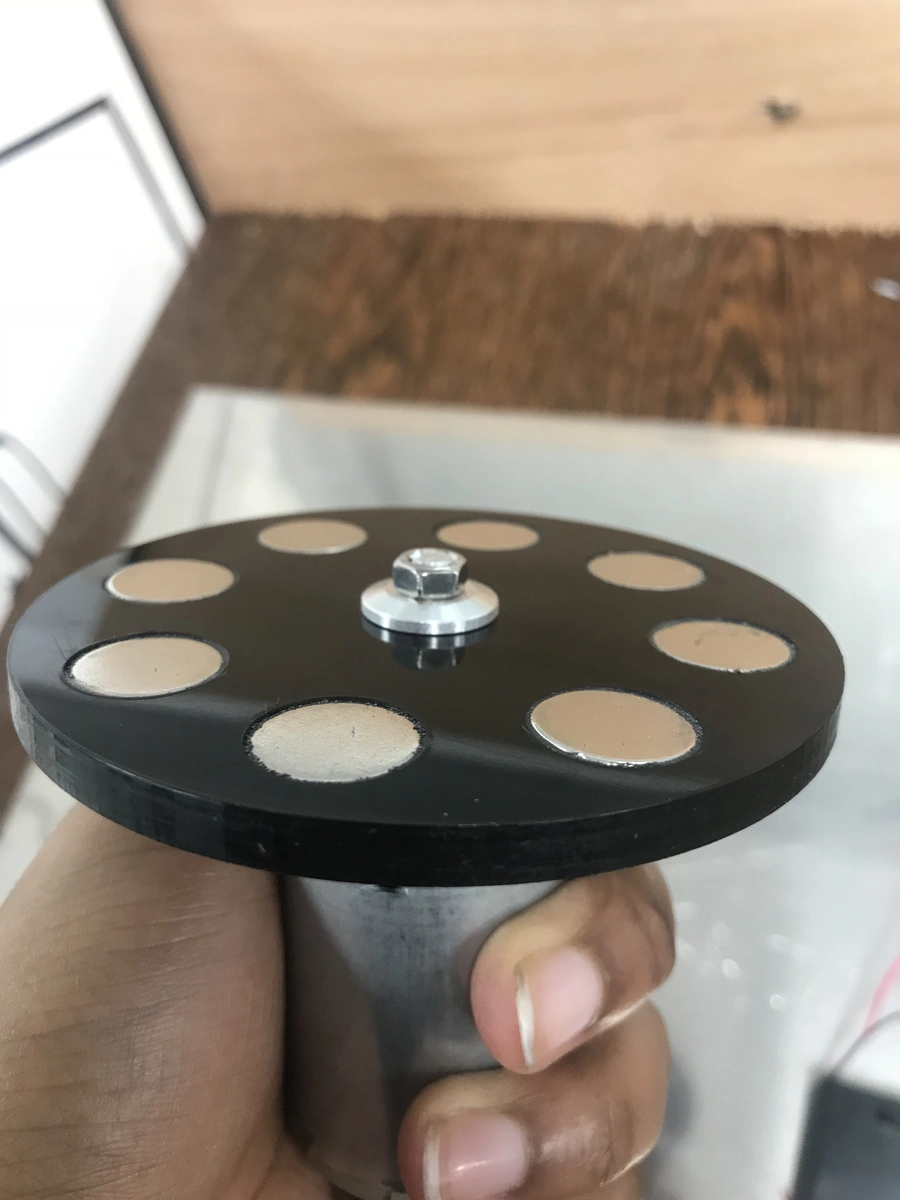
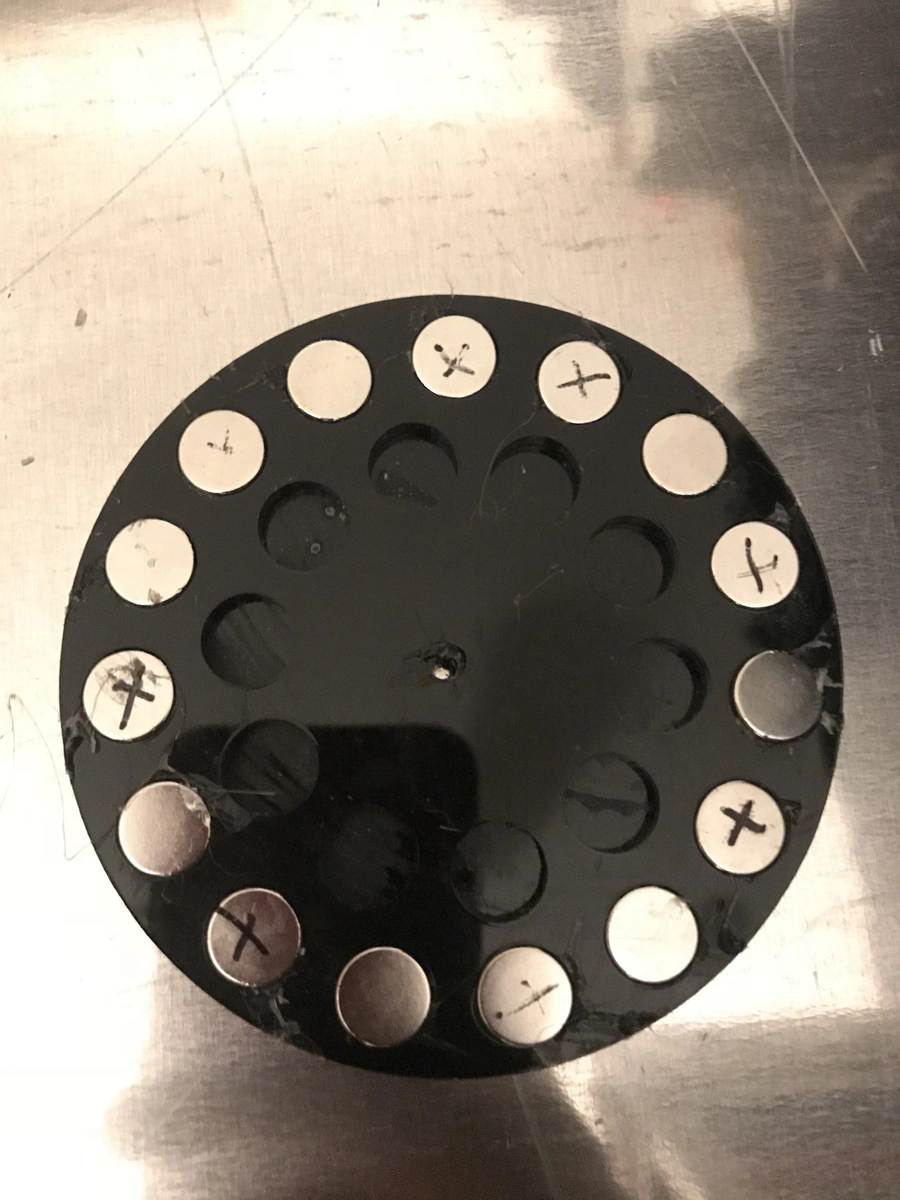
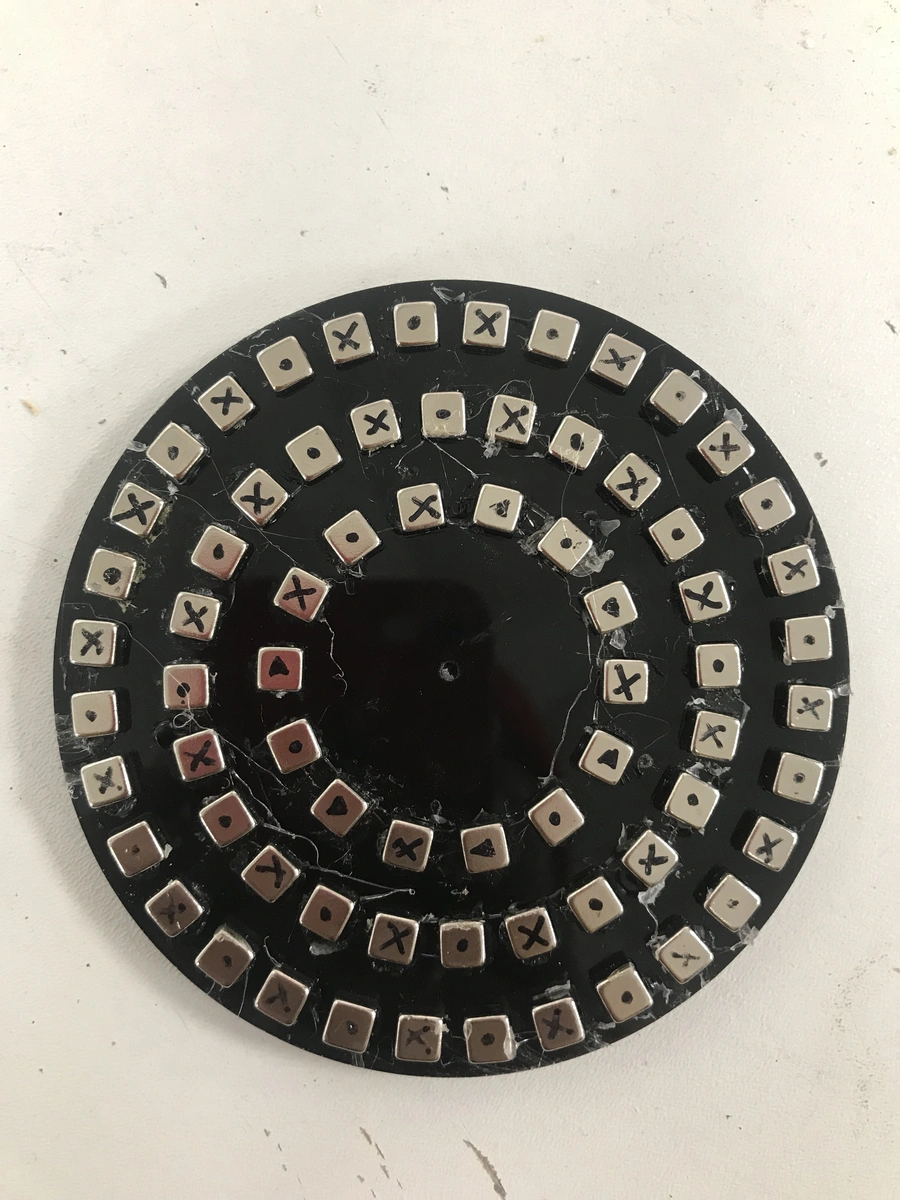
Design Process: Prototyping
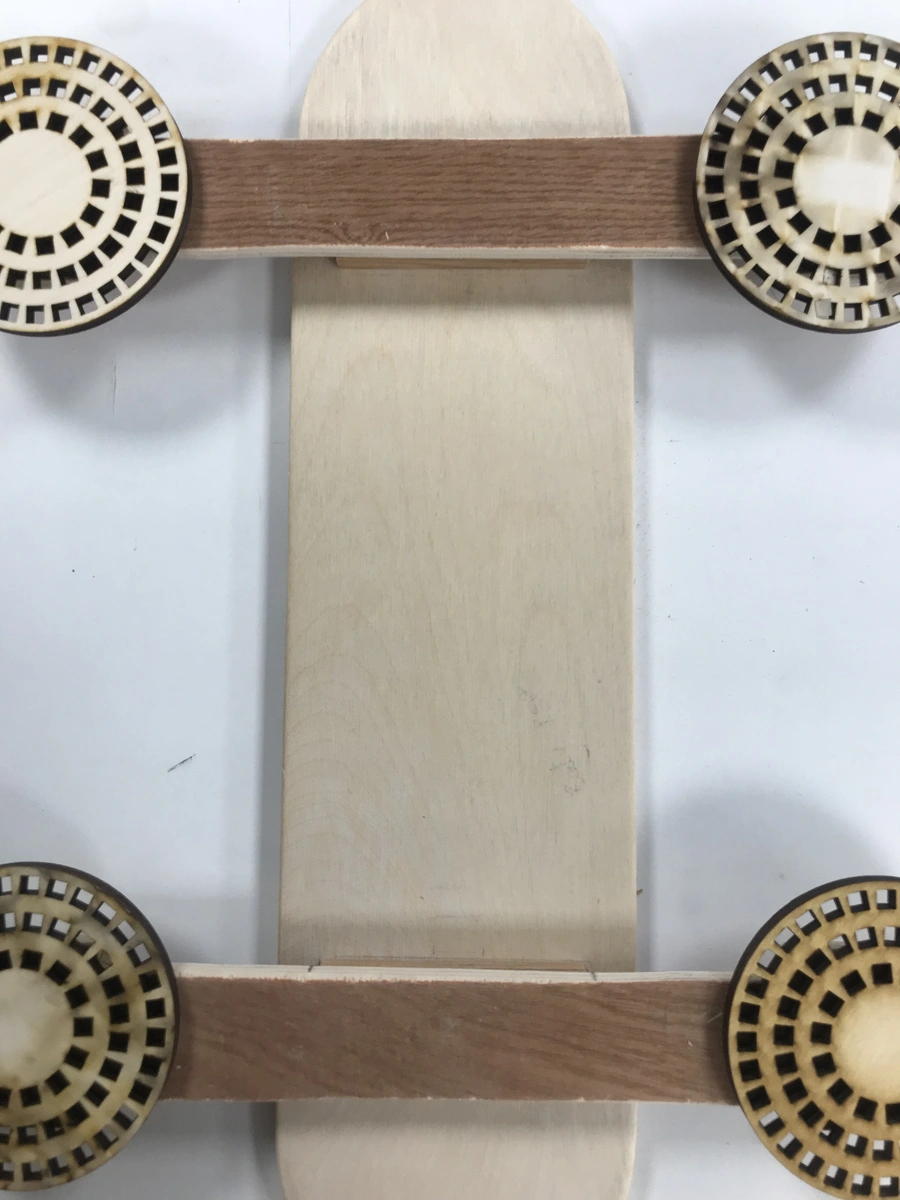
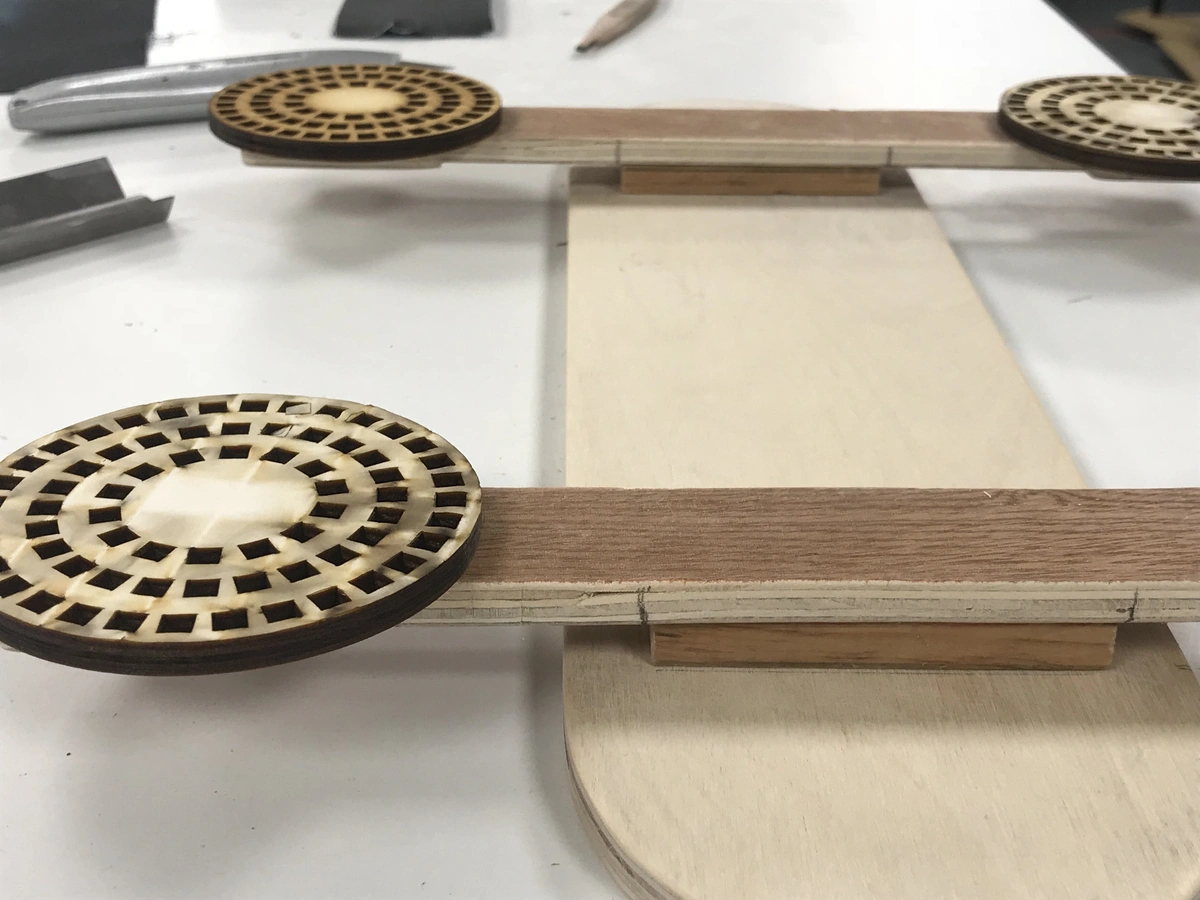
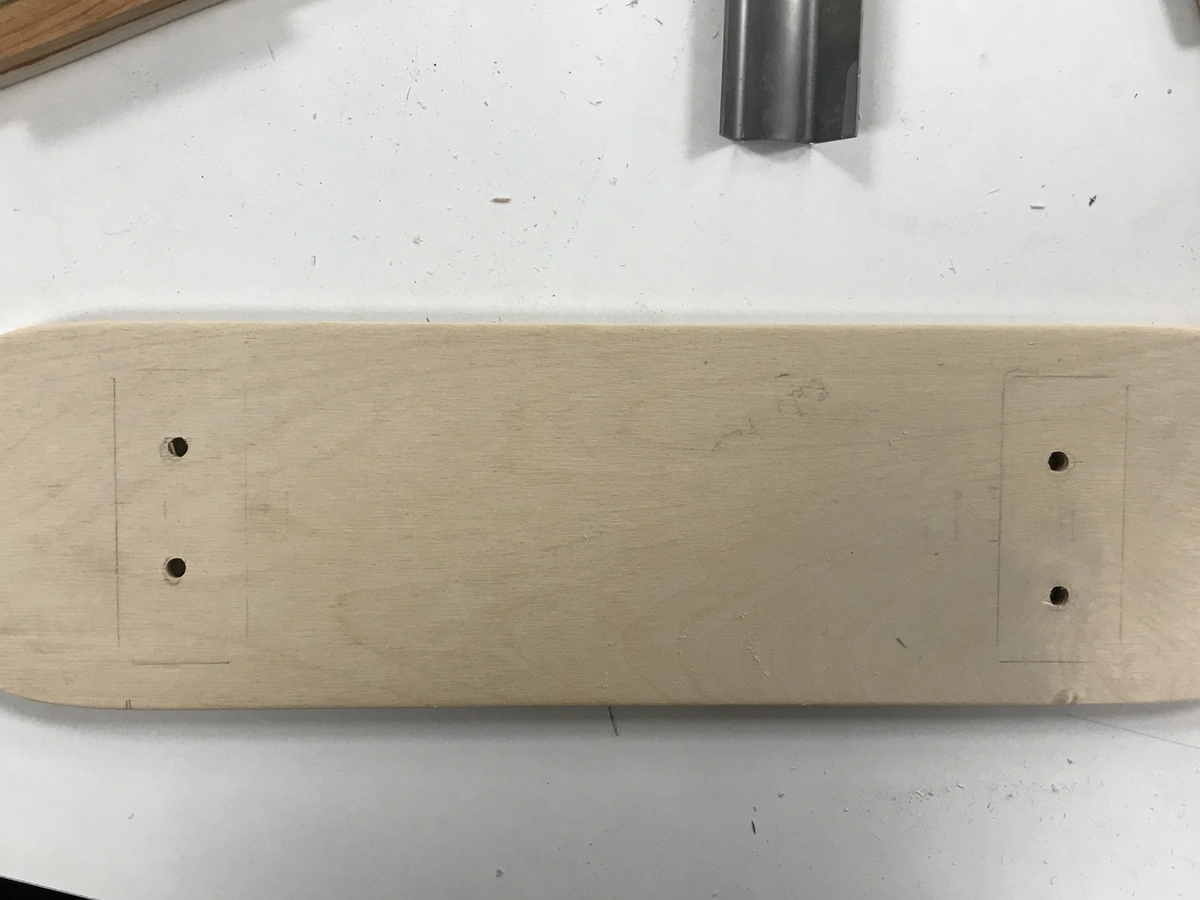
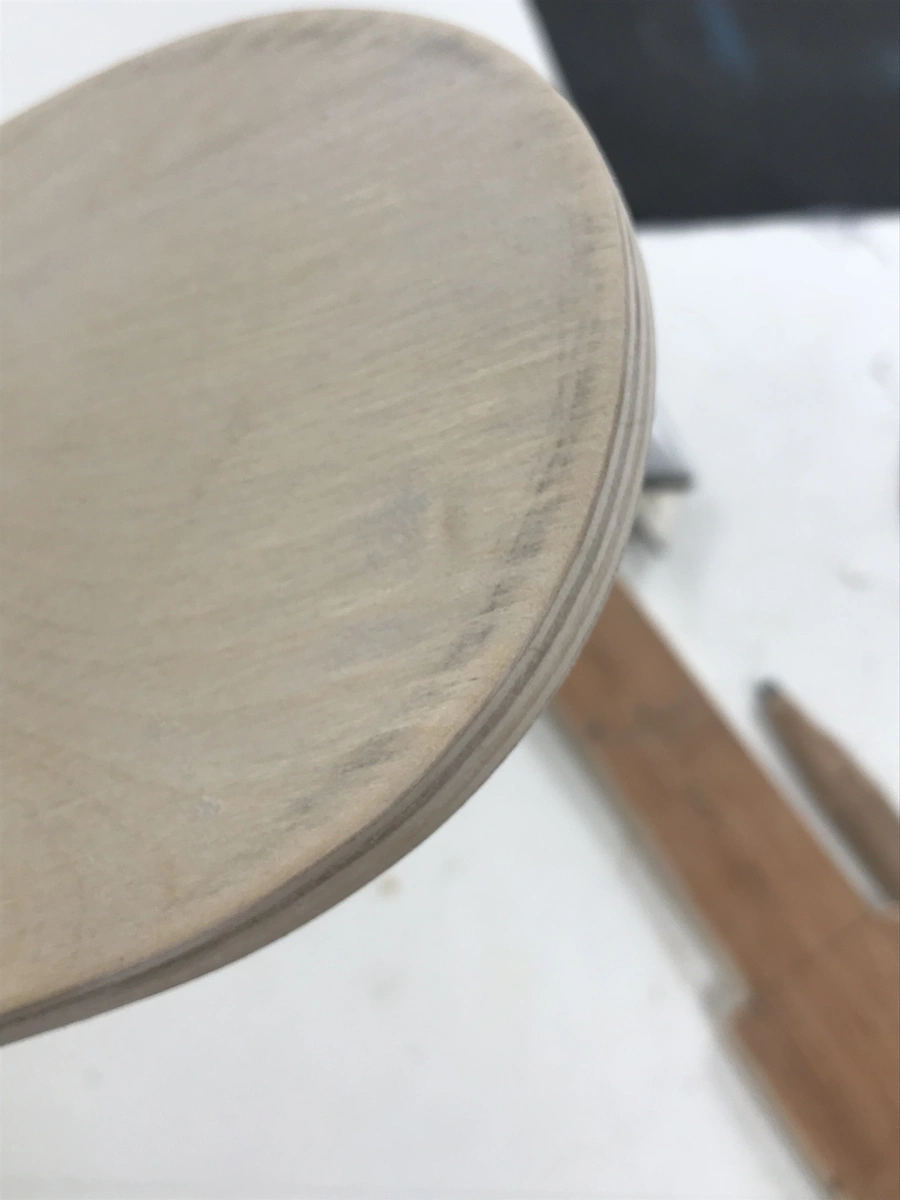
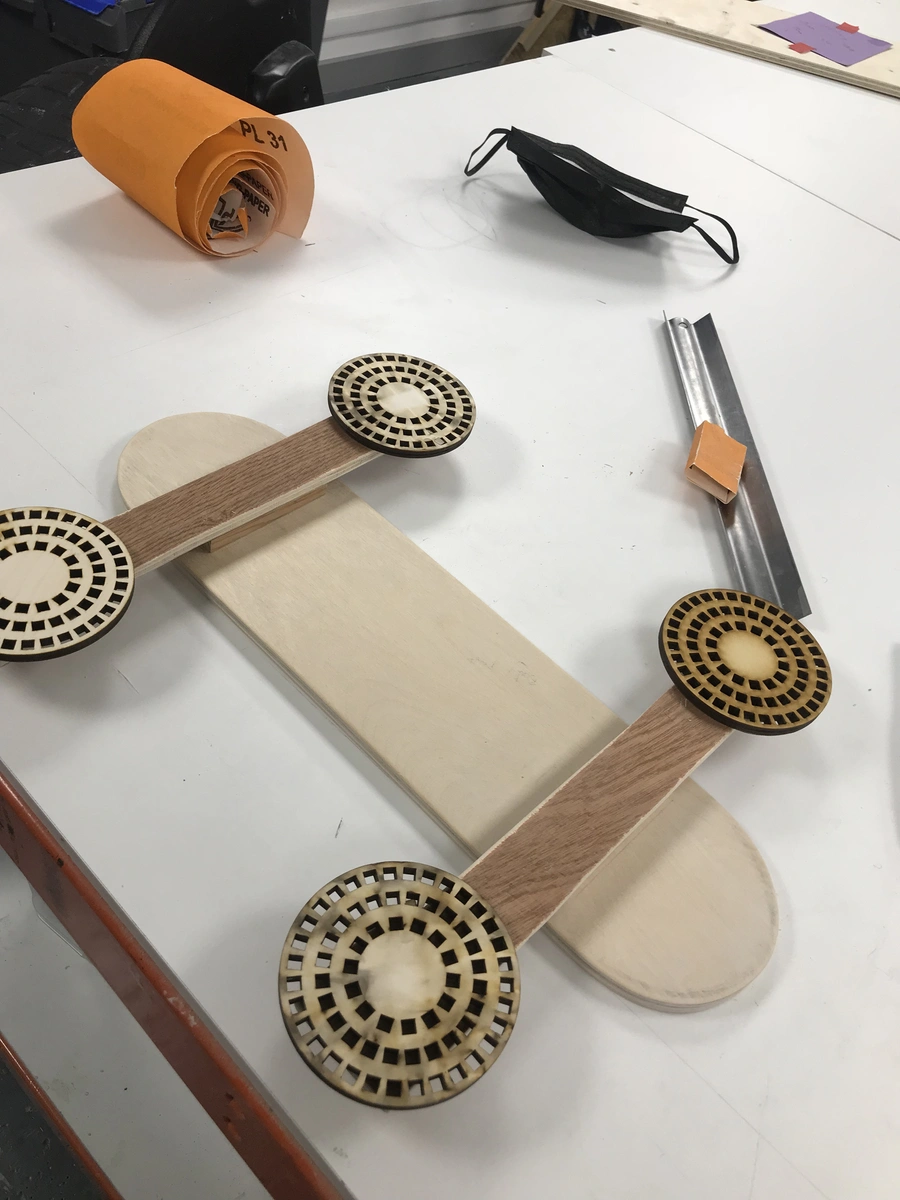
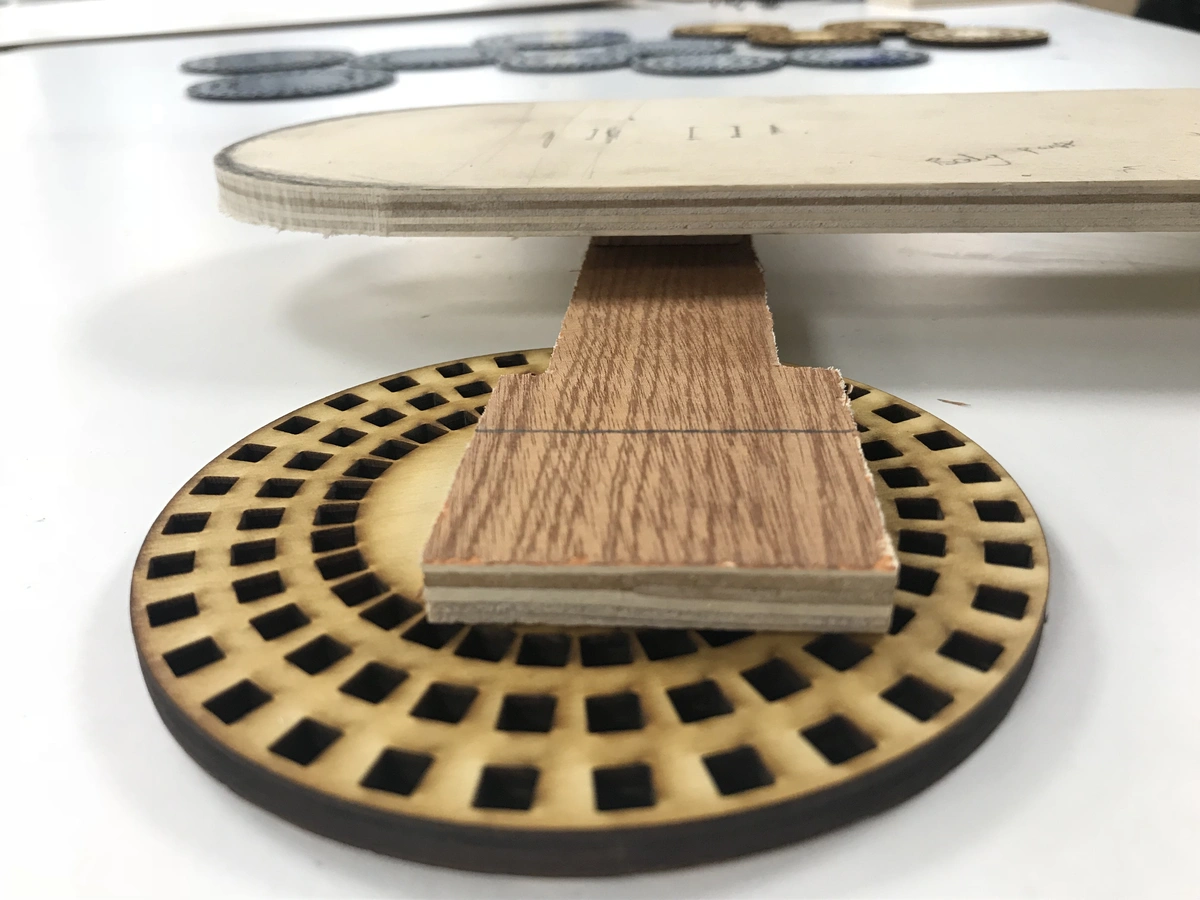
There are two stages to the design process. The first stage looked at the material components used in the making of the hoverboard. After I spent time comparing the strengths and weaknesses of both materials while also factoring in the extra weights to be later added on, I came to a decision. As you can see from the pictures below, I started off experimenting with wood as this was the best material available, but then I later went on to use Acrylic during the final stages of the project. I would have preferred to use carbon fibre because it was strong, durable and lightweight. However, I did not have the tools to work with it, so I chose acrylic instead.
The second stage of the design process was the most difficult part of the project. It looked at all the functional aspects of the hoverboard, assessing the best way to achieve the final result, lift-off. I had to calculate the right amount of battery power being poured into the motors to get the right amount of propeller speed needed to spin the wheels fast enough for the magnets to start working. Too much power could burn right through the wires and the batteries, while not having enough power would not create the magnetic field needed.
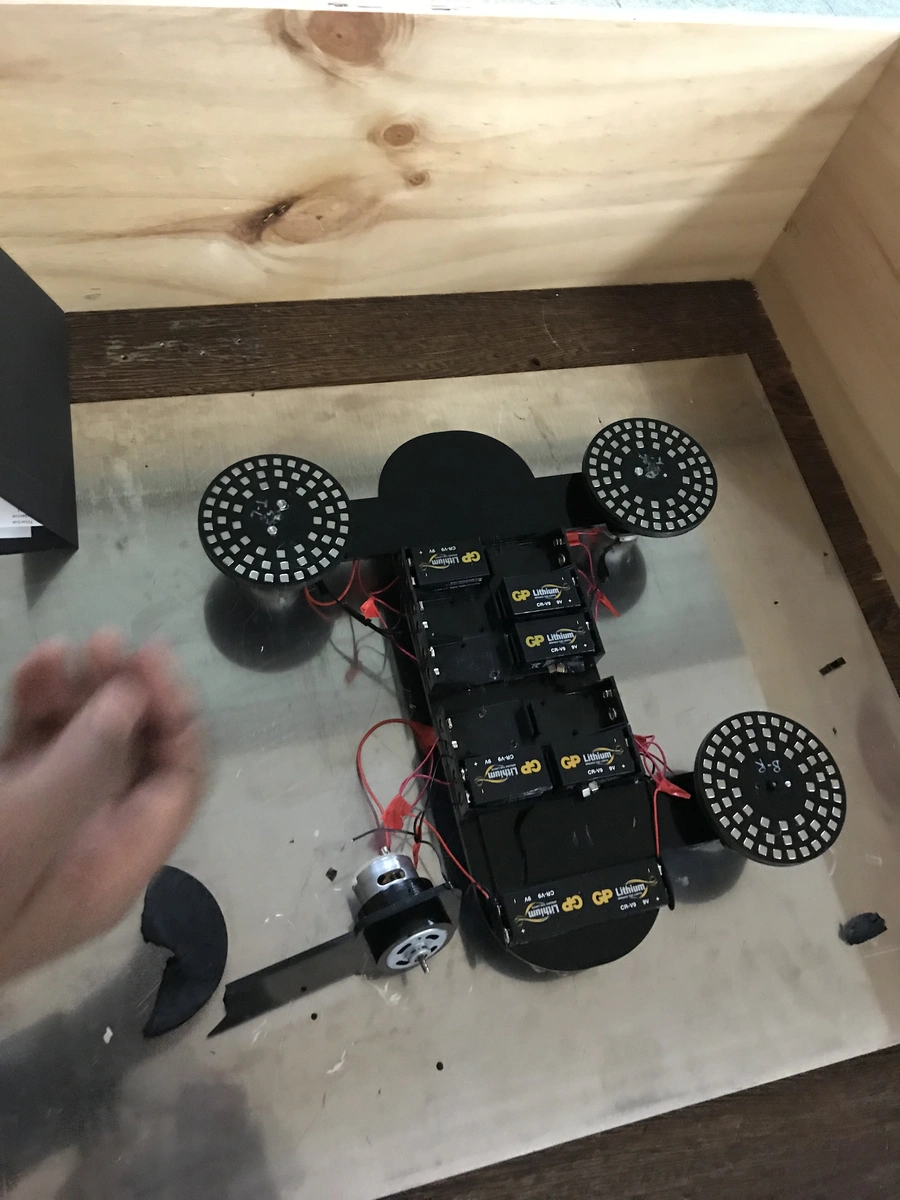
Hoverboard - Part 2
Outcome, Assessment and Development
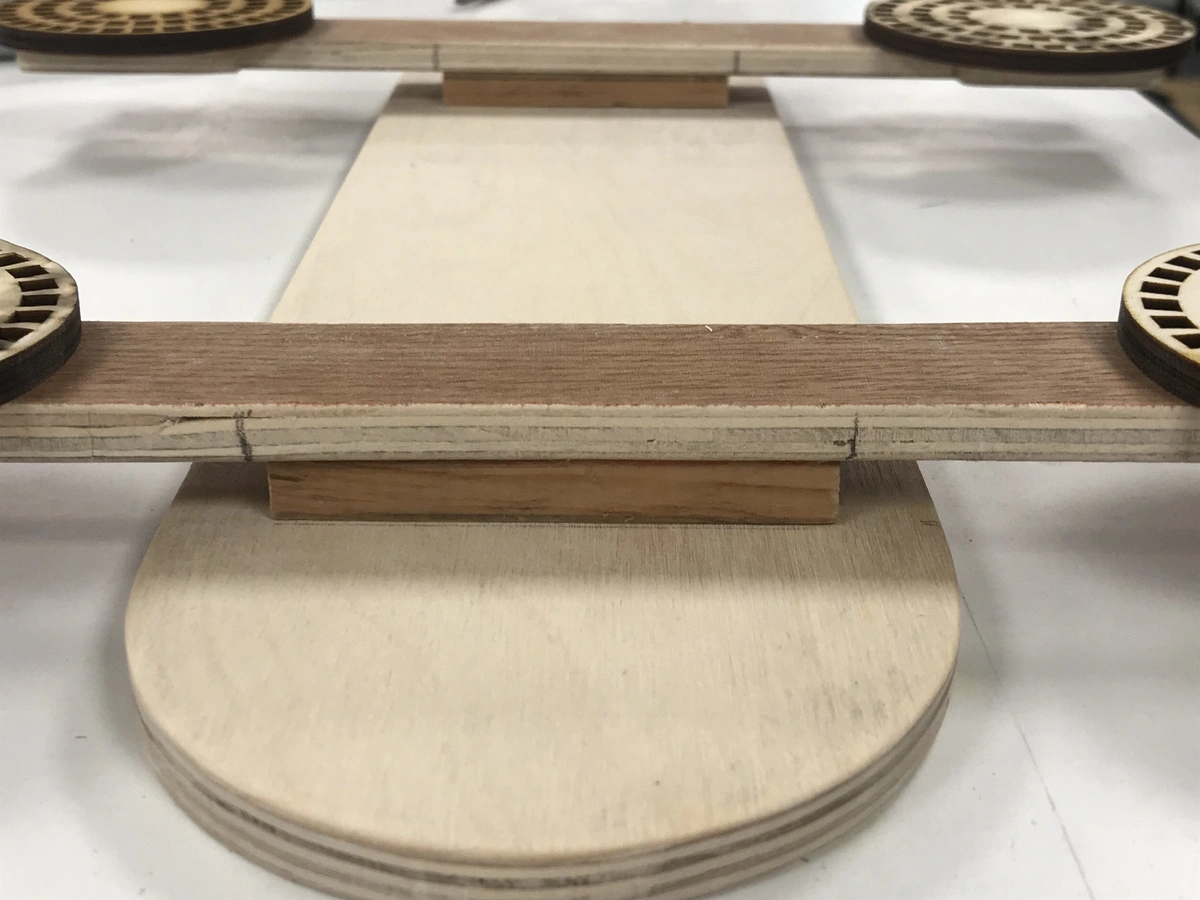
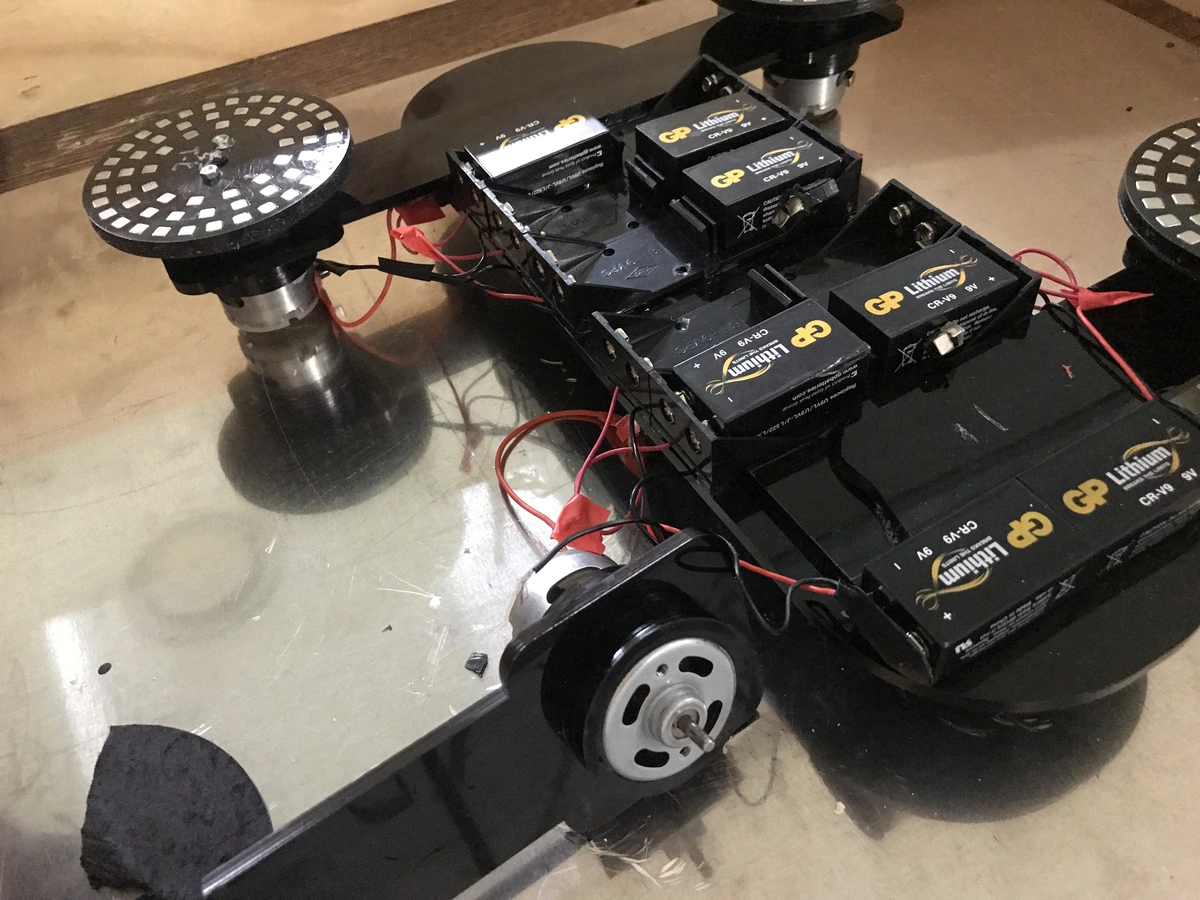
As shown in the images above, you can see that the lower-left handle of the board broke apart while the motors were in motion. I suspect it was due to a small crack in the material I couldn't detect in time, which led to me sustaining an injury on one of my fingers. Regardless of the incident, I wanted to know what I could have done better and how I could have gone about it. Three things came to mind.
1) The wires and the batteries used:
Although the batteries were powerful enough to power the motors while running separately, this was not the case when they were simultaneously running. The pressure on the handles was too great, causing one to break off. I also found that the wires I used were not durable enough. Some of them started to melt off as soon as they were connected to the switch and turned on. The problem here was thinking the wires could handle 2/3 powerful batteries attached to them.
2) The handles.
They were not strong enough to handle the weight of the motors while in motion. For instance, instead of using a single handle strip, I should have used two strips or made the handle thicker for greater strength.
3) Overall, the situation could have been properly executed, either with better calculations or simply going out of my way to seek professional help when I first started struggling closer to the end of the project.
Regardless of the handle breaking apart at the end, I was able to go outside of my comfort zone and challenge myself to make a Hoverboard. For a couple of seconds, I was able to achieve lift-off before the board broke down.
Industrial Design
Client: Science museum Tate
Year : 2018 - 2019
Specification
Weight -
Height -
Length -
Width -
Material
Acrylic
Neodymium magnets
Motors
Aluminum Batteries
Brief
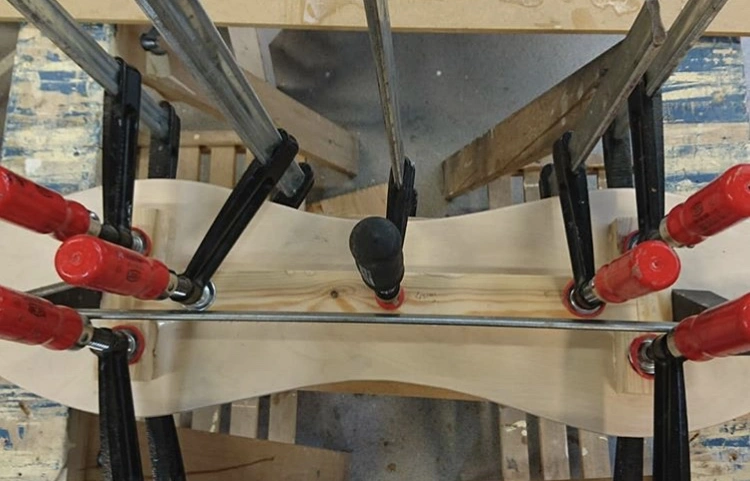
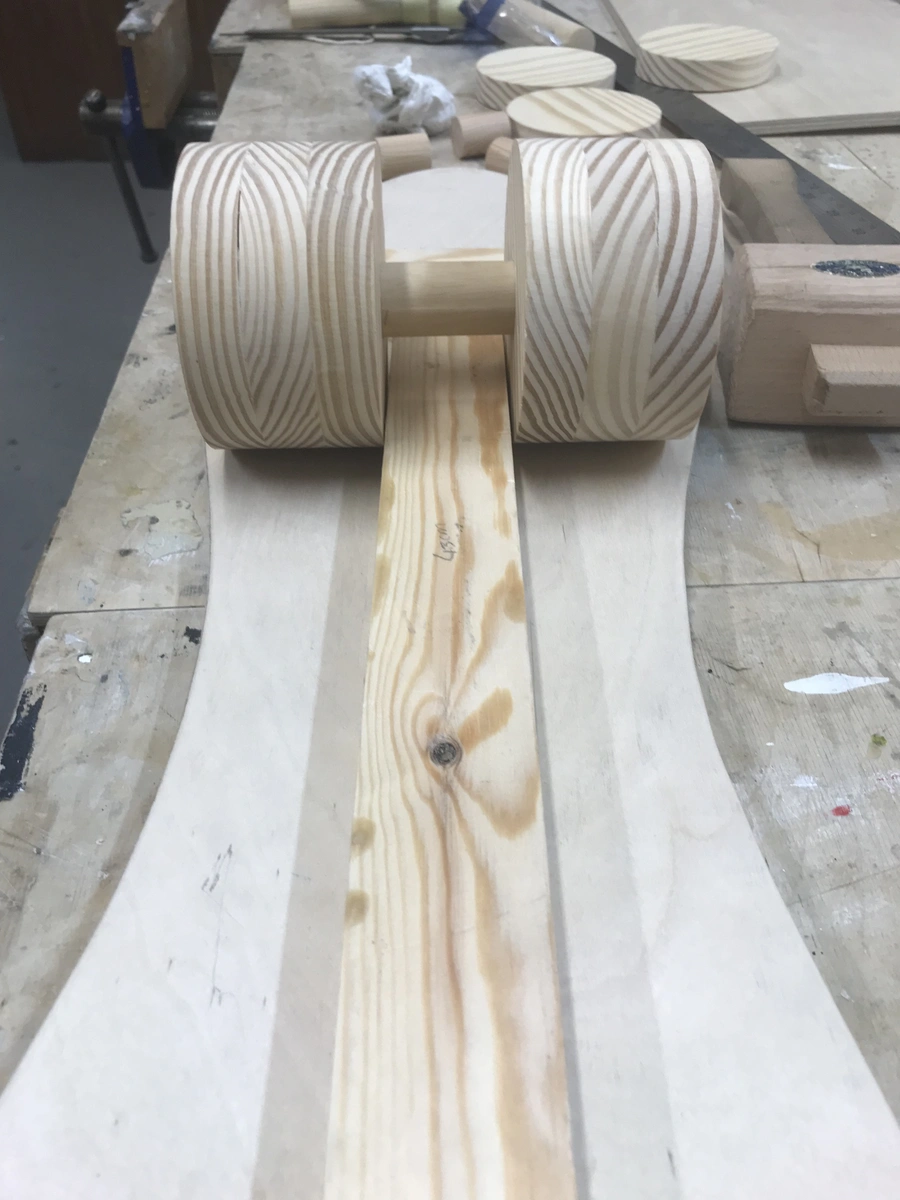
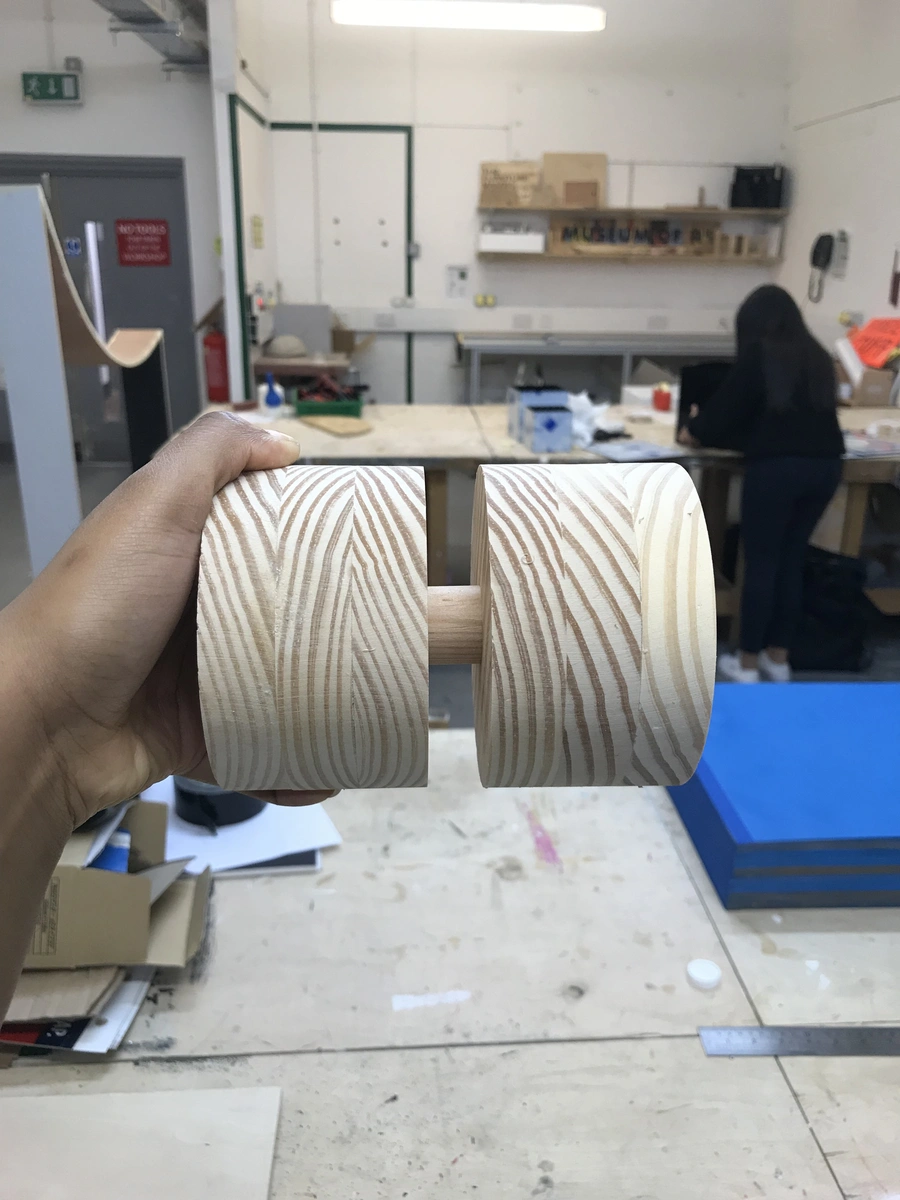
With too little time to restart the project or make major changes, I decided to focus on one aspect of the hoverboard: the experience of lift-off.
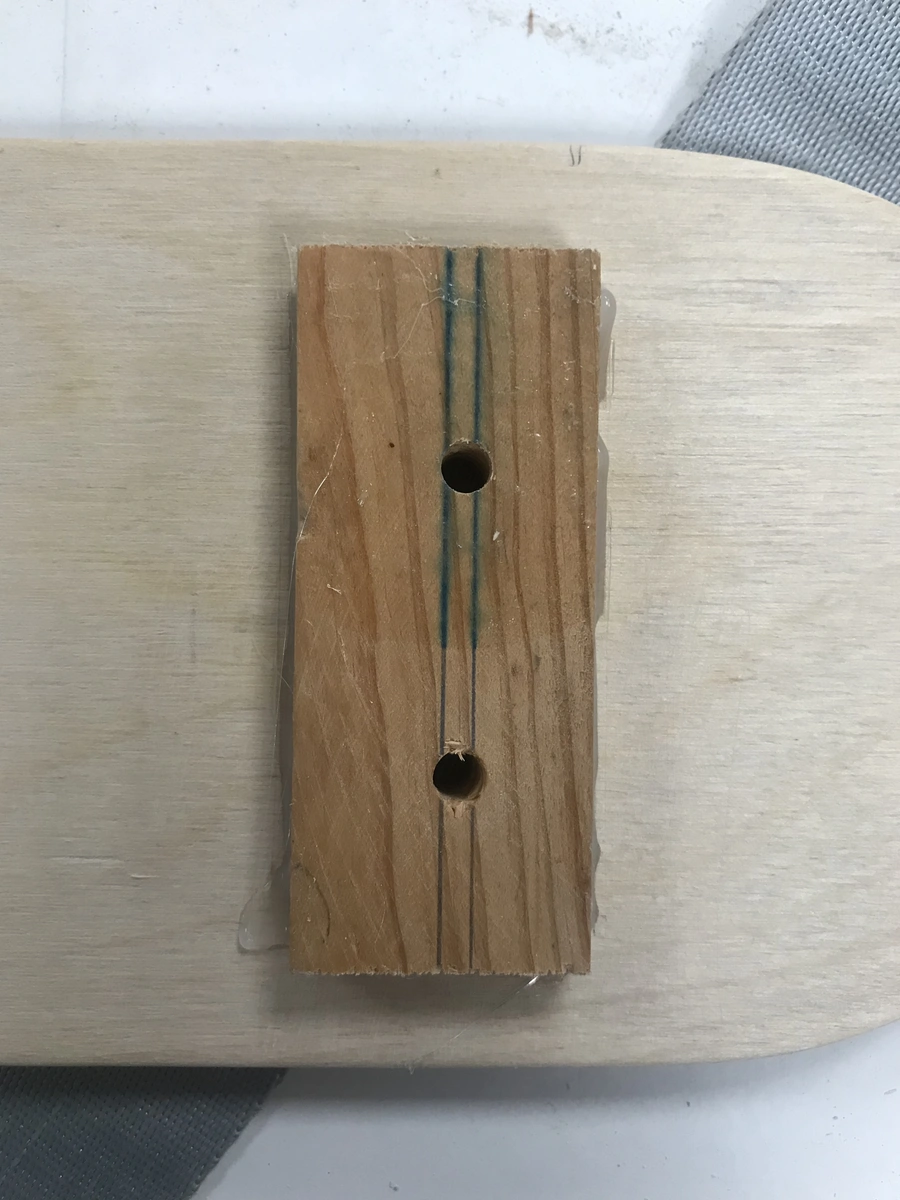
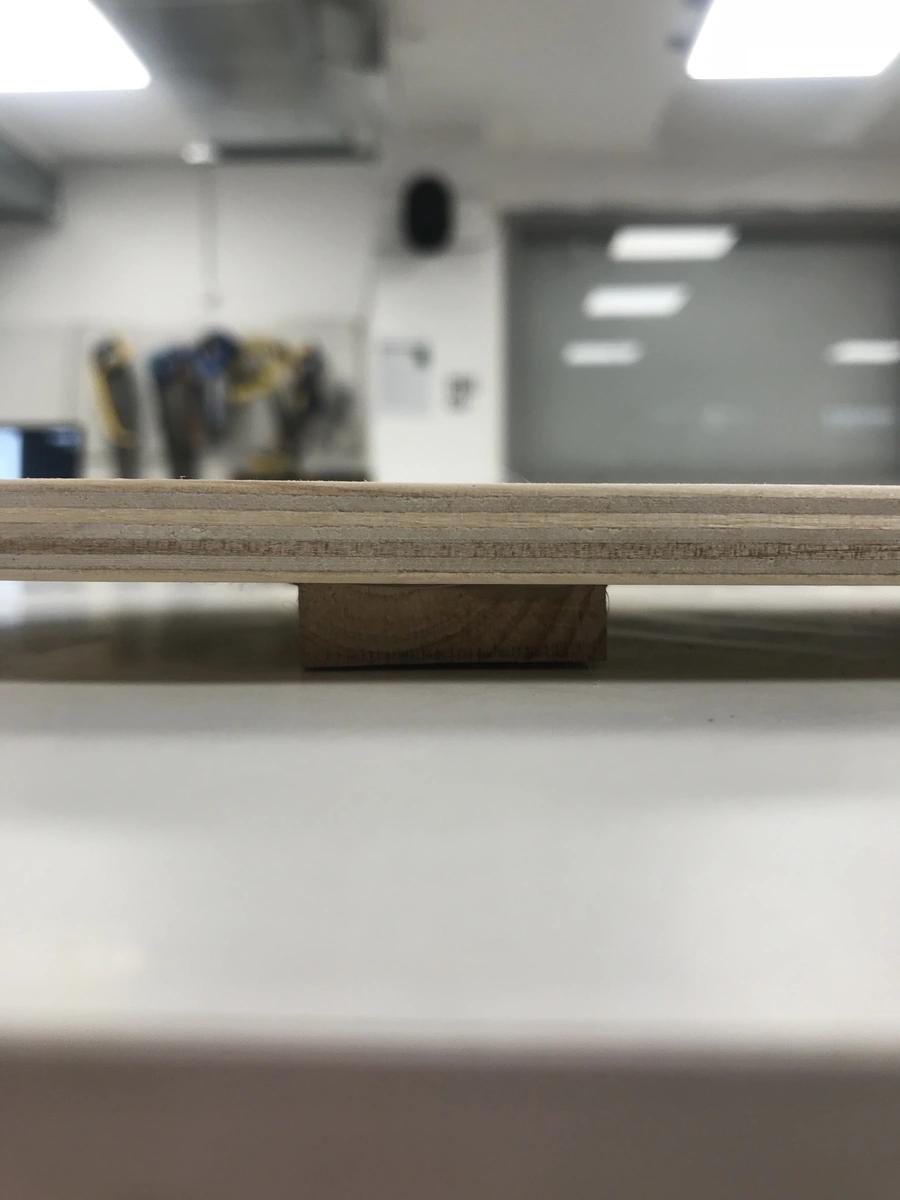
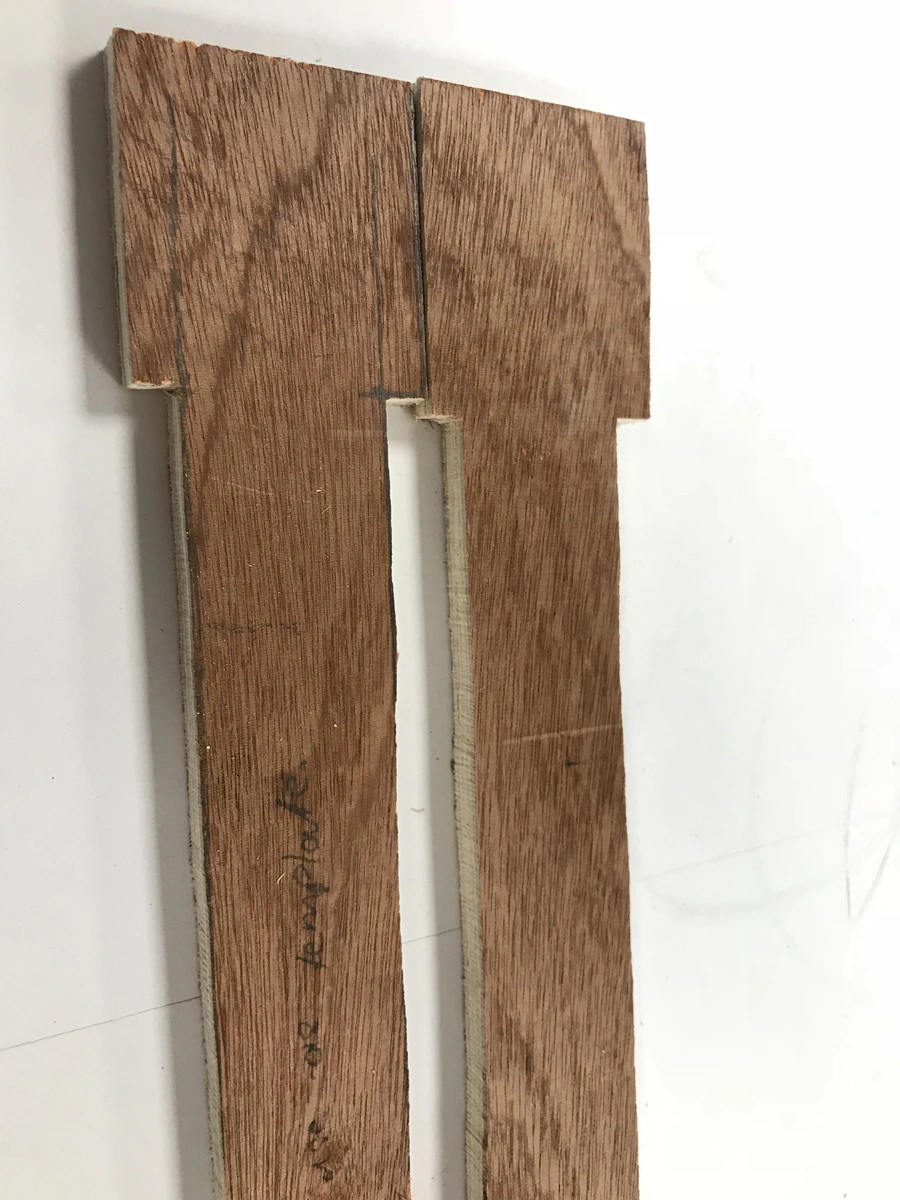
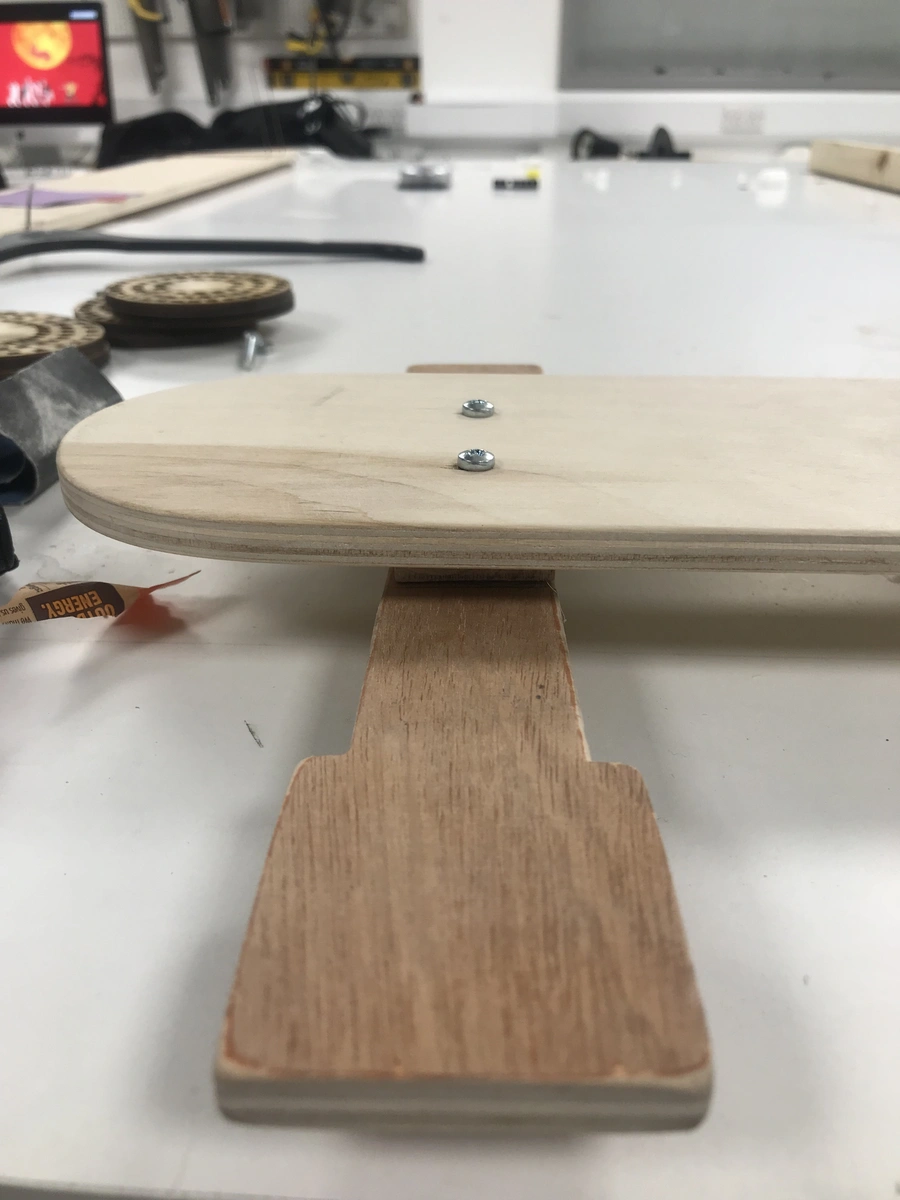
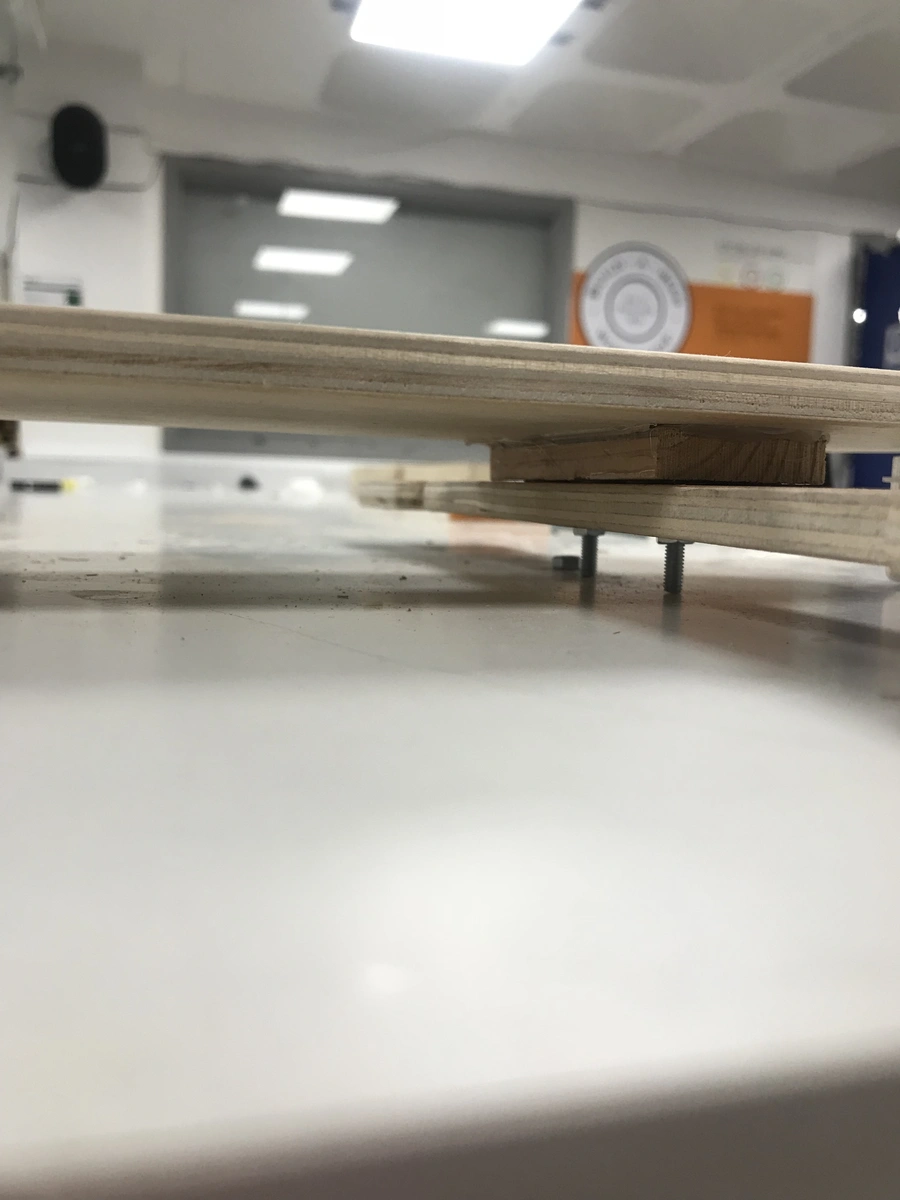
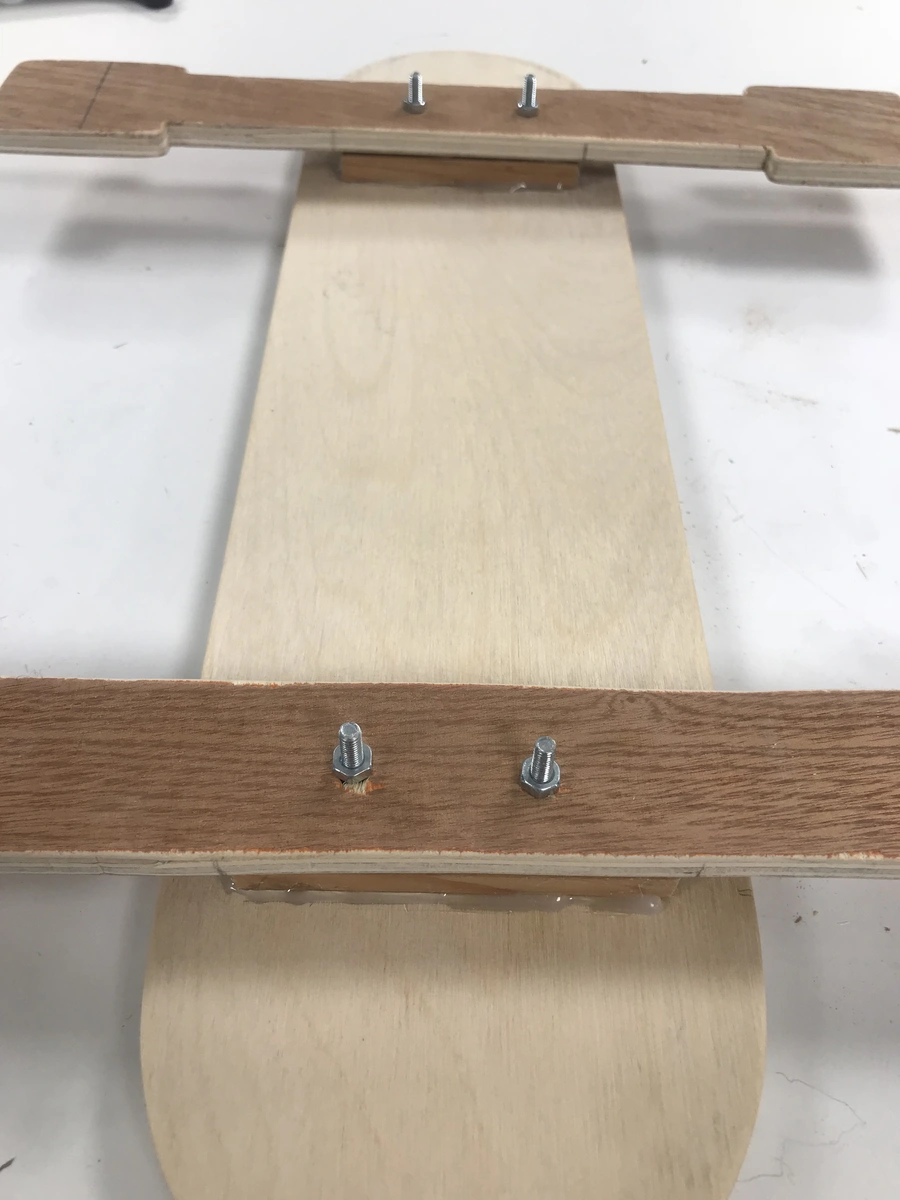
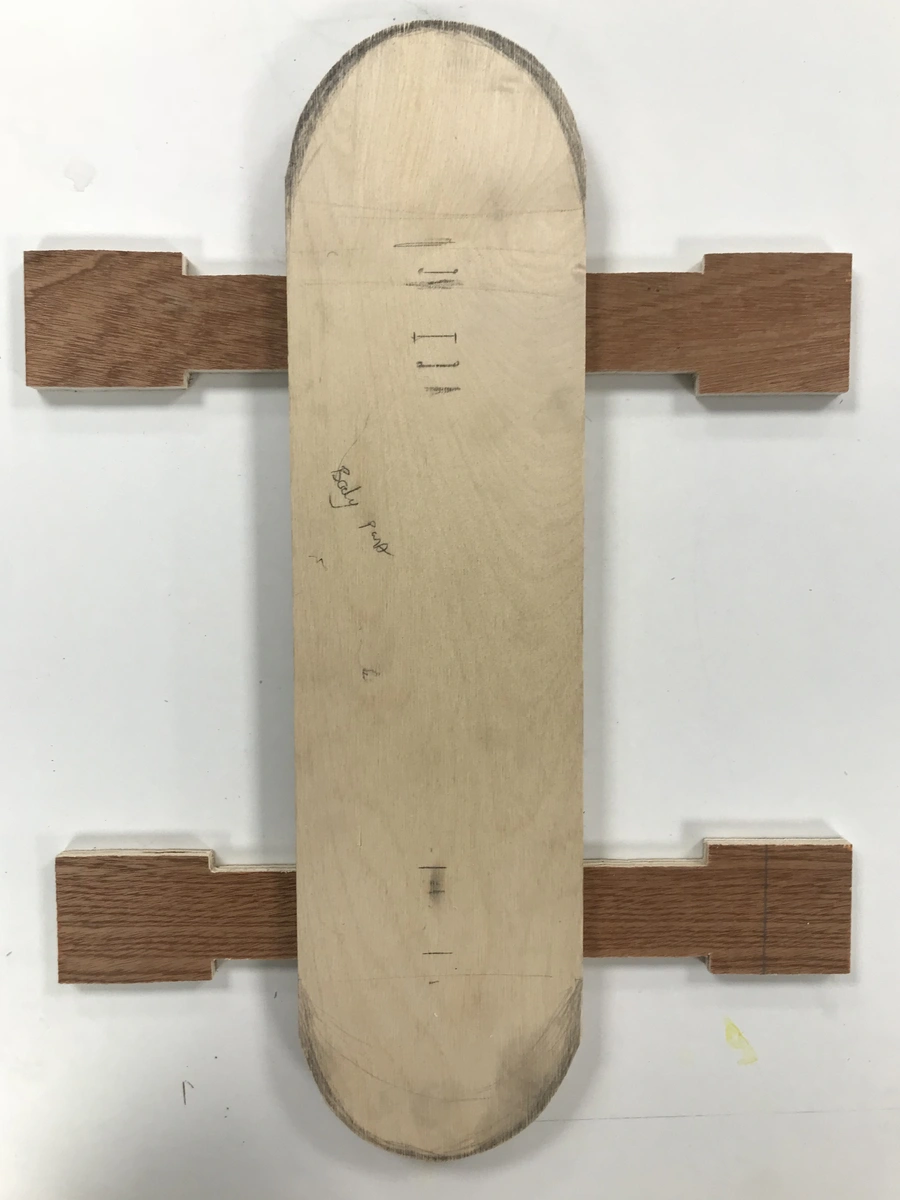
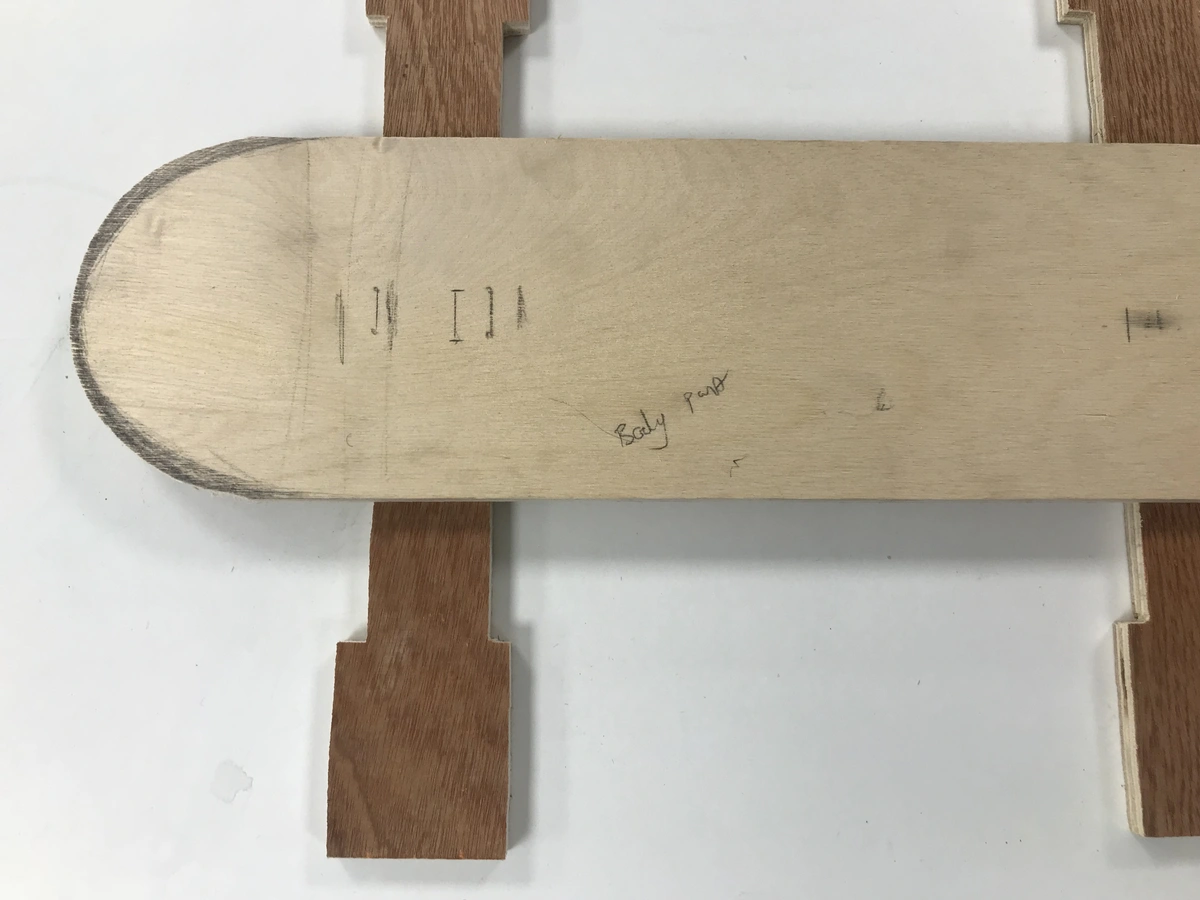
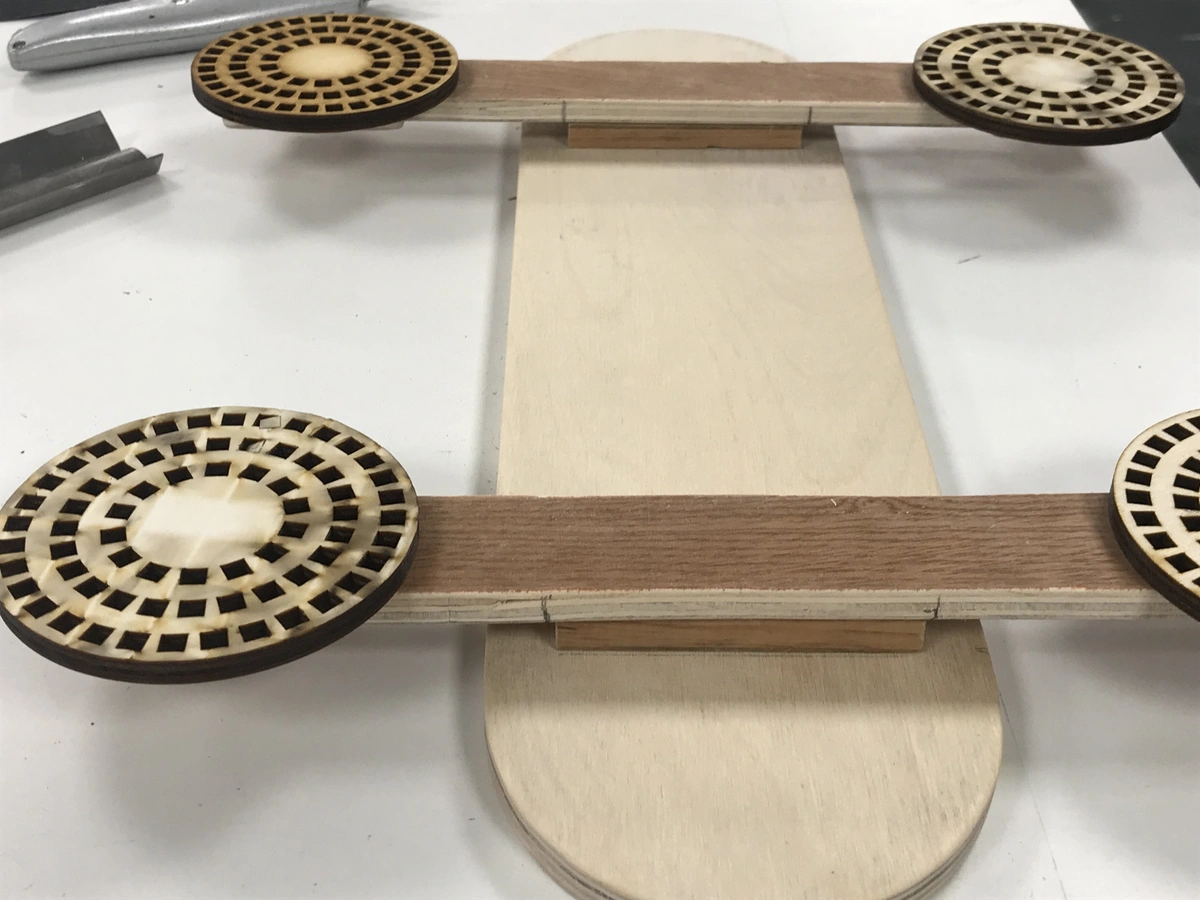
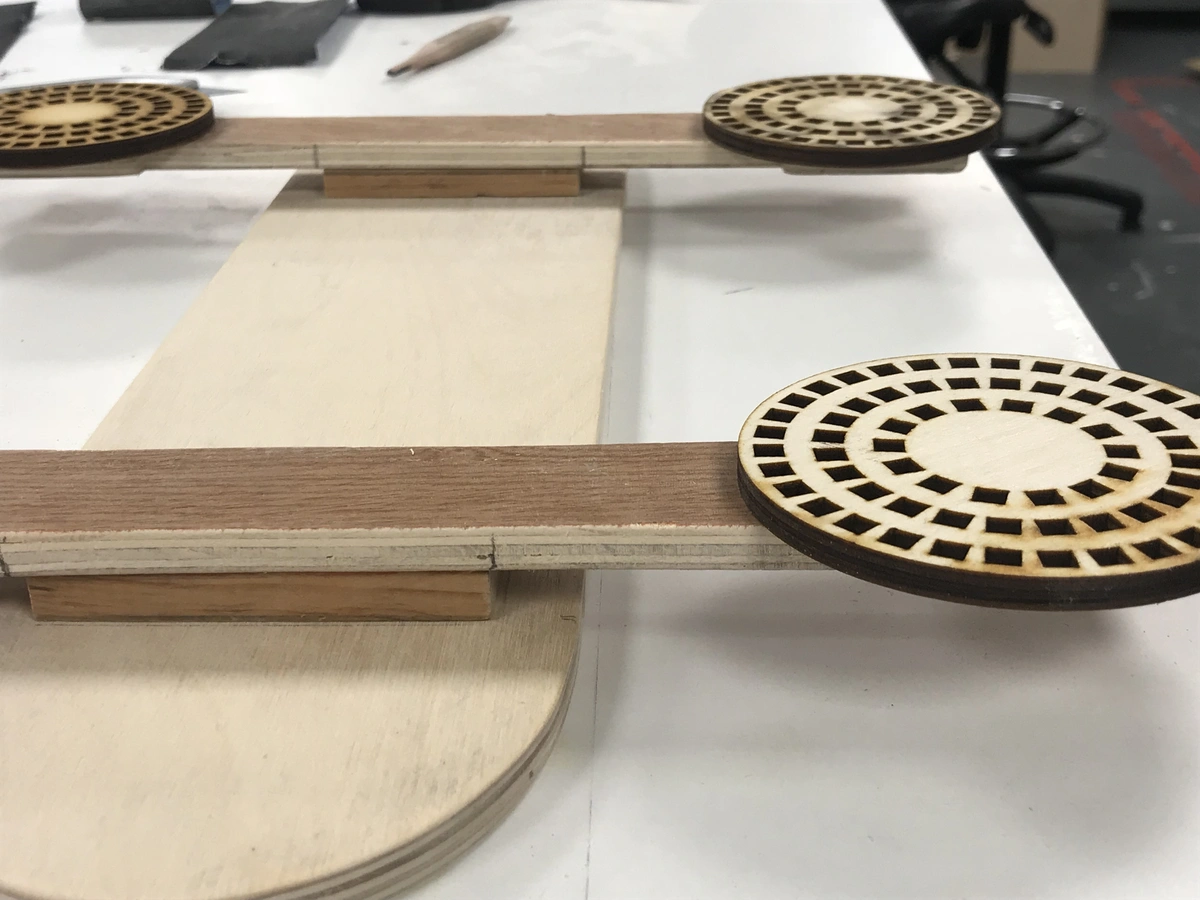
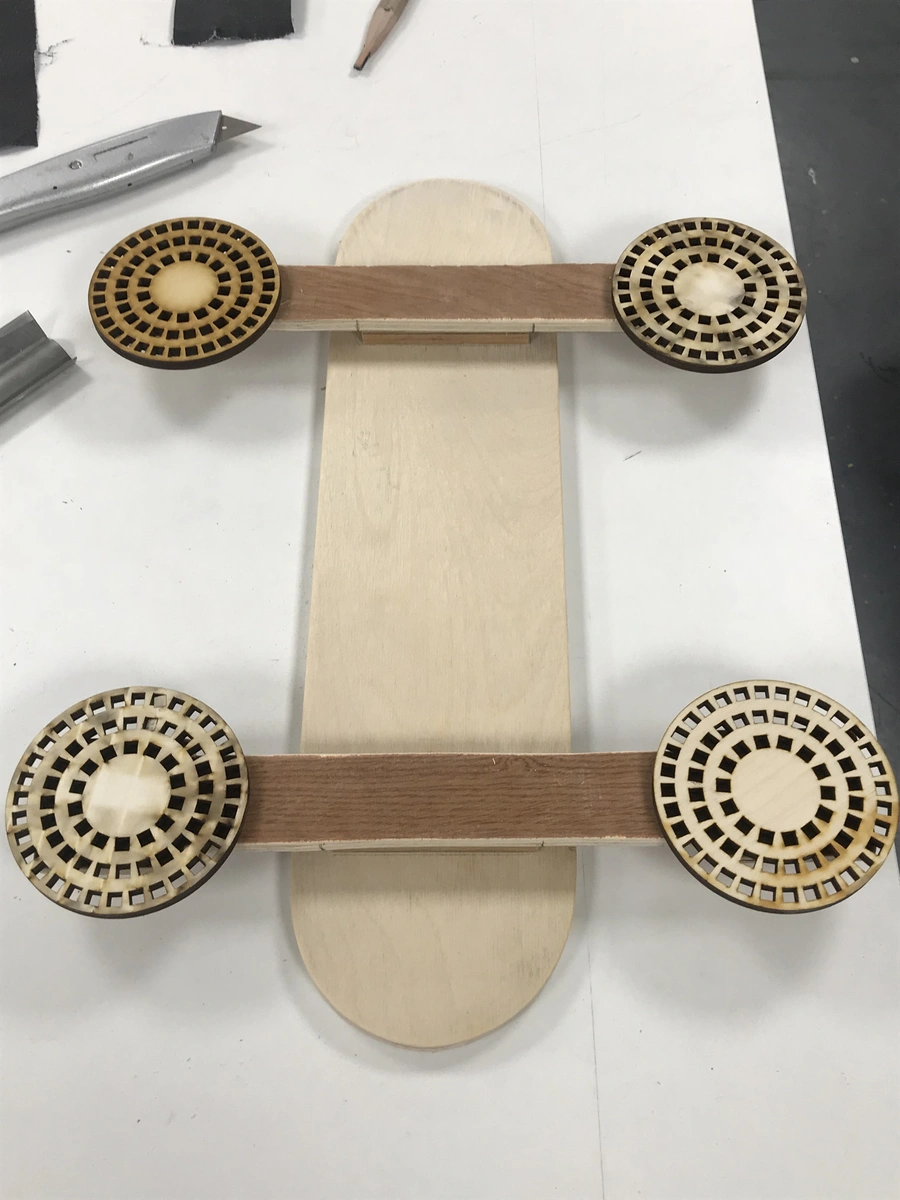
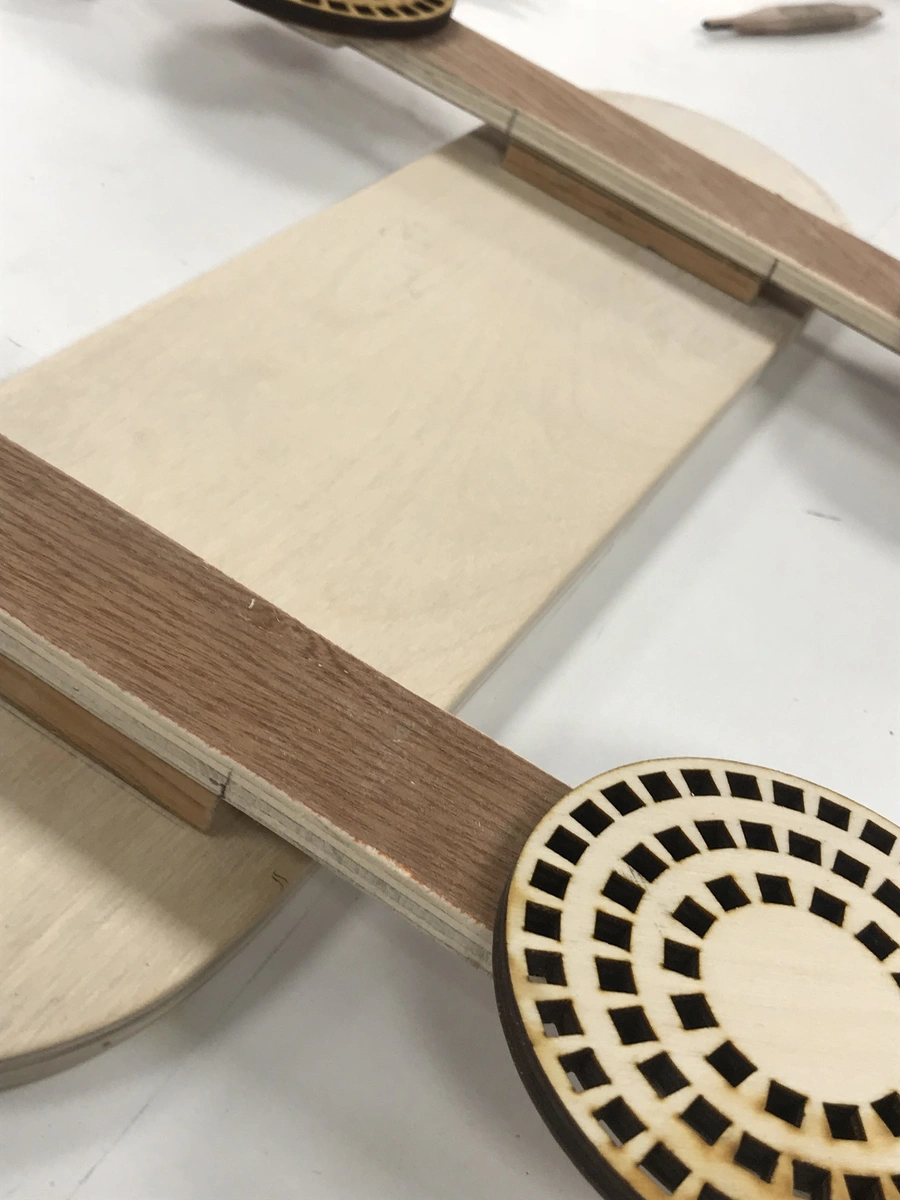
As an extended project created in connection with the hoverboard project, the balance board offers a chance for the user to experience what it could be like to hover, testing their ability to balance while off the ground. Although the balance board took a different approach, it explored the same idea of future transportation. These images show the final form of the balance board. It wasn't as challenging as the hoverboard, but it was still fun to design and physically make.
© 2026 by Victoria Ezeanaka.
